







Dollar holds firm ahead of Trump's Iran deadline
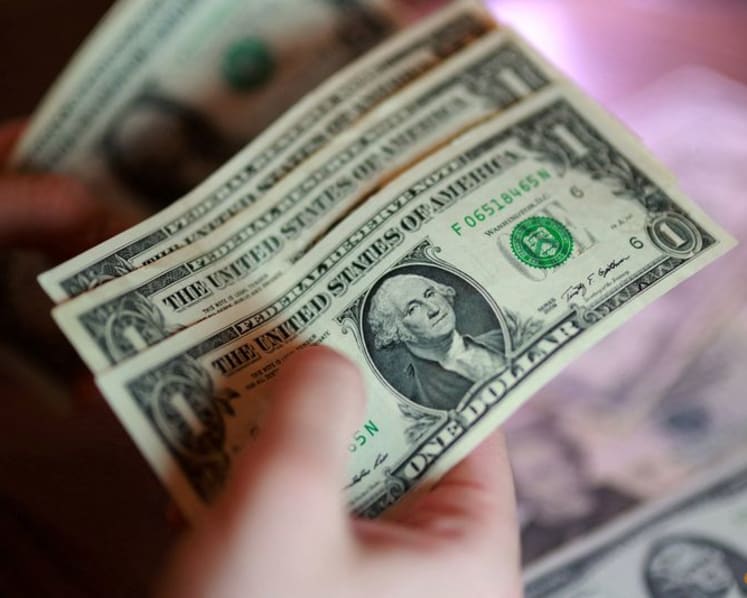
FILE PHOTO: U.S. dollar banknotes are seen in this illustration taken March 24, 2026. REUTERS/Dado Ruvic/Illustration/File Photo
April 7 : The U.S. dollar traded close to its highest levels in almost 11 months on Tuesday with investors pausing ahead of a U.S.-imposed deadline for Iran to reopen the Strait of Hormuz to shipping or face attacks on its infrastructure.
The war in the Middle East and the closure of the Gulf chokepoint have sent energy prices soaring and driven investors to dollars as the most effective safe haven, pushing the greenback higher.
Iran showed no sign of agreeing to U.S. President Donald Trump's demand that it open the strait before his 8 p.m. Eastern Time (0000 GMT) deadline.
“No one knows whether the deadline is another bout of maximalist pressure from the White House, but until there is news of a ceasefire, or perhaps a prolonged postponement of the current deadline, the dollar is likely to stay bid,” said Chris Turner, head of forex research at ING.





TENSIONS ELEVATED
Brent crude futures hovered around $110 a barrel as Iran's rejection of the U.S. ceasefire proposal kept tensions elevated.
"The Iranian leadership has demonstrated, surprisingly to many it seems, that it can exercise full control over the strait," said Thu Lan Nguyen, head of forex and commodity research at Commerzbank.
"And it is already becoming apparent that Iran intends to utilise this control for its long-term interests," she added.
The U.S. dollar index was at 99.852. It hit 100.64 last week, its highest since May 2025.
The yen slipped to 159.835 to the dollar, not far from multi-decade troughs and levels that drew intervention in 2024, after earlier in the session touching 160.
U.S. DATA ALSO IN FOCUS
Investors will also closely watch U.S. economic data for clues on the Federal Reserve’s policy path, with solid readings likely to prompt investors to price in further rate hikes if energy prices rise again.
“Markets are beginning to focus on the risks to growth, as much as to inflation, from demand destruction,” said Bob Savage, global head of market strategy at BNY.
The latest Personal Consumption Expenditures price index inflation data for February is due on Thursday. The Commerce Department on Tuesday reported that new orders for key U.S.-manufactured capital goods increased more than expected in February while shipments of those products rose solidly, suggesting business spending on equipment was on firmer footing before the war with Iran.
The minutes from the Fed's Federal Open Market Committee meeting in March will be released on Wednesday and are expected to provide indications on the policy outlook.
POSSIBLE ECB HIKE IN APRIL
The euro was last up at $1.1575, while traders priced in three European Central Bank rate hikes by year-end and ECB officials reiterated the central bank could act to tame inflation.
The ECB's Dimitar Radev said the central bank must be ready to raise rates swiftly if signs of persistent price pressures emerged, and Belgian central bank chief Pierre Wunsch said a move in April could not be ruled out.
The Australian and New Zealand dollars, which tumbled as fighting and Iranian strikes on Middle East energy infrastructure intensified late in March, were trading at $0.695 and $0.57 respectively.





