Dollar heads for weekly gain as Iran-US tensions undermine ceasefire hopes
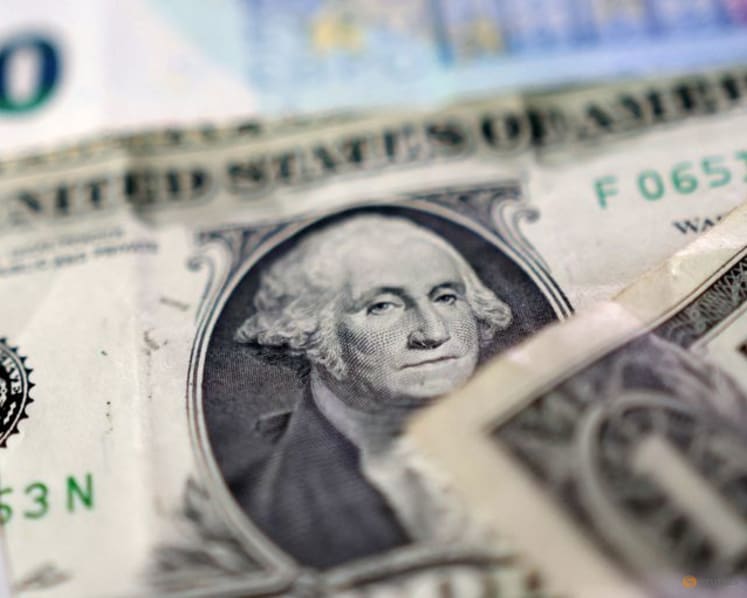
U.S. dollar banknotes are seen in this illustration taken May 4, 2025. REUTERS/Dado Ruvic/Illustration
NEW YORK/LONDON, April 23 : The dollar edged higher and was on track for a weekly gain on Thursday, as a standoff between Iran and the United States escalated tensions in the Middle East and dashed hopes for a peace deal.
Iran demonstrated its control over the Strait of Hormuz on Thursday with video of its commandos storming a huge cargo ship, after the collapse of peace talks that Washington had hoped would open the world's most important shipping corridor.
The war, launched by the U.S. and Israel on February 28, has been paused since a ceasefire on April 8 but Israel warned on Thursday that it was ready to restart attacks.
"The market is not 100 per cent sure (the ceasefire is) going to hold, but it's also not 100 per cent sure it's going to fall apart," said Steve Englander, head of global G10 FX research and North America macro strategy at Standard Chartered Bank’s New York branch.





"It's having a hard time understanding how long this is going to last and which way it's going to go from here. So, it's just treading water right now," Englander said. "The real market issue is whether military action resumes."
The dollar has drawn safe-haven demand amid the uncertainty. It gained ground in March as concerns over the conflict deepened, but gave back some of those gains this month as optimism over a potential resolution grew.
"For now, at least, it's still feeling as though the path of least resistance is just a maintenance of just adding to dollar positions slightly, so, unwinding that sort of peace premium that had been put back into the market," CIBC Capital Markets head of G10 FX strategy Jeremy Stretch said.
The euro was last down 0.08 per cent at $1.1694, having touched its lowest point since April 13 earlier on. The single currency is headed for a 0.6 per cent decline this week, its first drop in four weeks. Sterling fell 0.16 per cent to $1.3477.
The Japanese yen weakened 0.04 per cent against the greenback to 159.55 per dollar, near the 160 level that many in the market view as the line in the sand for official intervention. The Bank of Japan is expected to keep interest rates unchanged next week, but has hinted that a June hike is possible.
The dollar index, which tracks the performance of the U.S. currency against six others, rose 0.11 per cent to 98.73. It is heading for a weekly rise of 0.5 per cent.
While the war remains the primary driver of market sentiment, recent economic data has also painted a resilient picture of the U.S. economy.
That could make the Federal Reserve less likely to cut rates even if the war is resolved.
"You can point to things that are saying maybe inflation is coming down, or maybe you should cut, but nothing there is compelling enough to make the case that not doing anything when there's no sign that you have to carries more risk than doing something," said Englander.
Weekly jobless claims ticked up slightly last week but continued to point to a stable labor market.
Fed funds futures now price in just a 24 per cent chance of a cut by year-end, as traders weigh the risk of war-driven inflation.
The U.S. economy also looks better positioned than peers such as the euro zone, even as some central banks there lean toward tightening policy.
"My view remains that the U.S. economy is best-placed to weather this particular storm, even more so if central banks elsewhere - I'm looking at you, ECB - decide to go down the path of tightening policy," Pepperstone strategist Michael Brown said. "Dollar dips, hence, remain attractive as buying opportunities."
The European Central Bank will hold its deposit rate on April 30 but hike it in June, according to just over half of economists polled by Reuters, in a bid to protect a war-fuelled energy shock from knocking the euro zone economy off balance.
Against the Swiss franc, the dollar strengthened 0.08 per cent to 0.785.
The Swiss National Bank's strategy of announcing its increased willingness to intervene in foreign exchange markets to curb the appreciation of the Swiss franc seems to be working, SNB Vice Chairman Antoine Martin said on Thursday.
In cryptocurrencies, bitcoin fell 0.46 per cent to $78,090.