







Euro dips as Iran conflict stirs growth fears
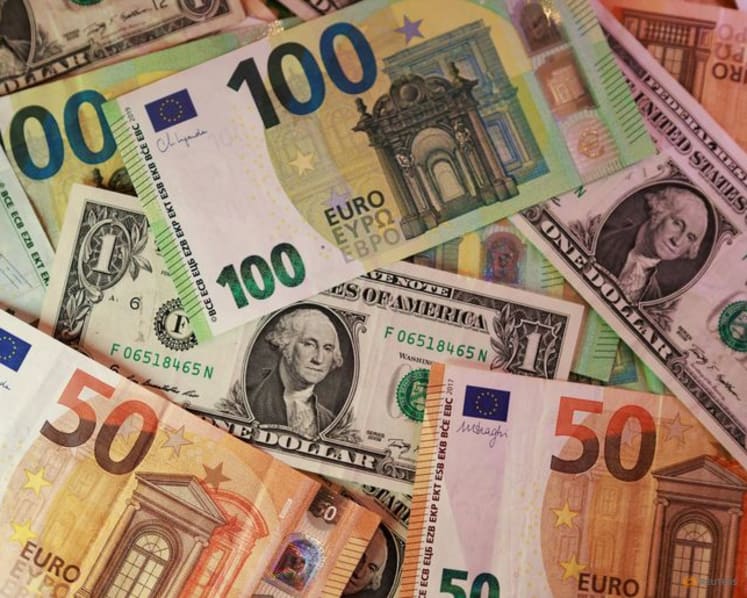
U.S. dollar and Euro banknotes are seen in this illustration taken March 24, 2026. REUTERS/Dado Ruvic/Illustration
NEW YORK, March 30 : The euro fell against the dollar on Monday on concerns about the growth impact from an extended U.S.-Israeli war with Iran, while the yen was supported after Japanese officials stepped up currency intervention threats.
President Donald Trump said on Monday that Iran's energy plants and oil wells would be obliterated if it did not open the Strait of Hormuz, after Tehran described U.S. peace proposals as "unrealistic" and fired waves of missiles at Israel.
Rising oil prices have raised concerns about higher inflation. But the longer the war drags on, the more damage higher energy costs will have on consumer finances and economic growth.
“Investors are starting to think about the growth side of the equation,” said Noel Dixon, global macro strategist at State Street Global Markets.





“There's starting to be a focus on some of the more vulnerable countries, largely the UK, the EU,” Dixon said. “The sentiment is starting to shift a little bit there in terms of the forward rate expectations.”
The euro fell 0.44 per cent to $1.1457 while sterling dropped 0.57 per cent to $1.3181, and earlier reached $1.3170, the lowest level since November 26.
The dollar index, which measures the greenback against a basket of currencies including the yen and the euro,rose 0.22 per cent to 100.53 and reached 100.61, the highest since May 19.
The dollar has benefited from a safe-haven bid from the war, while the United States is also in a comparatively better position than many peers as a net energy exporter.
Federal Reserve Chair Jerome Powell on Monday said the U.S. central bank can wait to see how the Iran war affects the U.S. economy and inflation, noting that policymakers typically look through shocks such as those from higher oil prices.
Fed funds futures traders have priced out the two rate cuts for this year that were expected before the Iran war began, and now see no rate moves by year-end.
The Japanese yen strengthened 0.42 per cent against the greenback to 159.63 per dollar, after earlier moving past the psychologically important 160-per-dollar level, which was its weakest since July 2024 when Japan last intervened to shore up the currency.
In the strongest warning yet of a yen-buying intervention, Japan's top currency diplomat Atsushi Mimura said on Monday authorities may need to take "decisive" steps if speculative moves persist in the currency market.
Separately, Bank of Japan Governor Kazuo Ueda said the central bank would closely watch yen moves as they affect the economy and prices, suggesting inflationary pressures from a weak currency could justify raising interest rates in the coming months.
Elsewhere, the Australian dollar fell to a two-month low of $0.6831 and the kiwi dropped to a four-month low of $0.5698.
In cryptocurrencies, bitcoin fell 0.34 per cent to $66,332.38.
(Additional reporting by Stefano Rebaudo; Editing by Joe Bavier and Will Dunham)





