







Fitch revises Philippines' outlook to 'negative' as energy shock weighs on growth
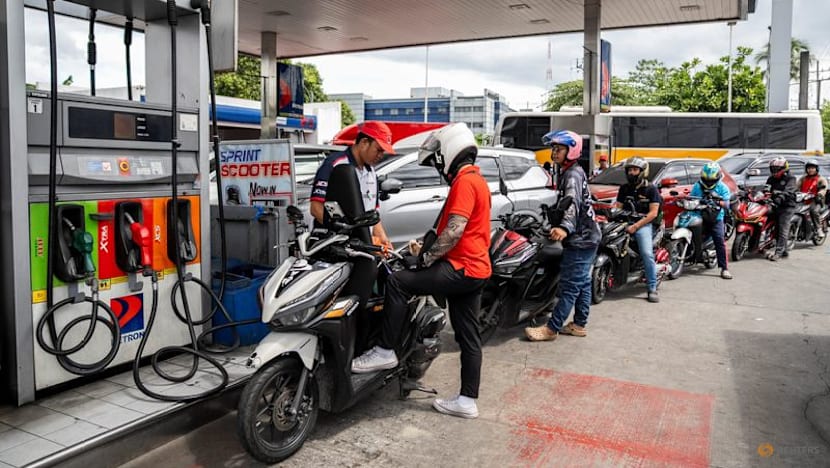
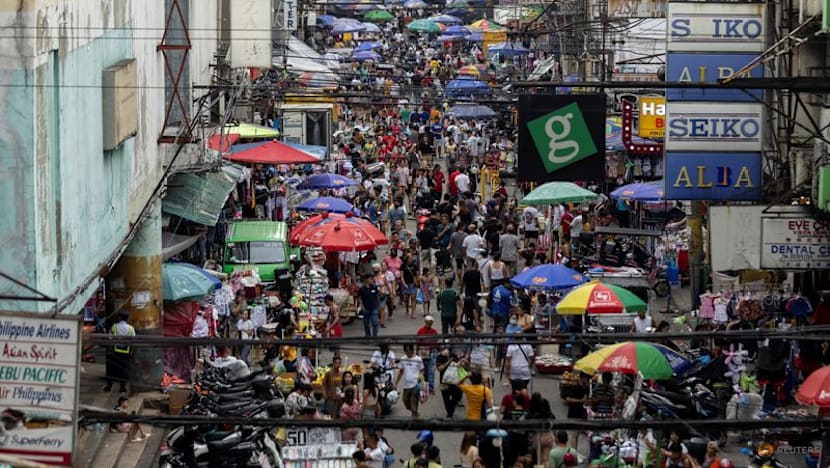
April 20 : Credit ratings agency Fitch revised the Philippines' outlook to "negative" from "stable" on Monday, citing risks to medium-term growth from disrupted public investment and the country's high exposure to the global energy shock.
The Philippines is particularly vulnerable to the war in the Middle East due to its heavy reliance on imported energy and the risk of softer remittance inflows from the Gulf region, the agency said. While the government has rolled out targeted subsidies for vulnerable sectors, Fitch said consumers are absorbing the bulk of energy price increases.
Fitch forecasts that economic growth in the Philippines will remain below recent levels as public capital spending recovers gradually and high energy prices weigh on consumption. It said growth would likely expand at a rate of 4.6 per cent this year, below the government's target of 5.0 per cent to 6.0 per cent.
"The economy remains in a good position because growth is strong and banks are in good shape," Eli Remolona, the governor of the country's central bank, said following the outlook revision.





Last week, President Ferdinand Marcos Jr. suspended taxes on kerosene and liquefied petroleum gas to cushion consumers from rising fuel costs, which drove annual inflation past the central bank's 2 per cent-4 per cent target in March.
Remolona said the central bank is closely monitoring the impact of higher oil prices and geopolitical developments on inflation and the economy.
"The BSP remains vigilant against spillover effects and the risk of de-anchoring inflation," Remolona said ahead of the central bank's policy meeting on April 23. "It stands ready to act in a measured, timely and data-driven manner."
The central bank kept its benchmark rate steady at 4.25 per cent in an off-cycle meeting in March, but has signaled its readiness to raise rates if inflation pressures worsen.
The central bank also has allowed banks to grant borrowers more time to repay loans, as part of relief measures aimed at supporting consumers and businesses hit by the energy crisis. It even urged banks to temporarily suspend fees for online transactions.
The Philippines had said in March its power system would operate under guidelines that prioritise renewable energy and conserve critical fuel inventories after it suspended electricity sales on the Wholesale Electricity Spot Market due to fuel supply risks and price volatility caused by the war.
Fitch also flagged lingering domestic political risks from the rift between the president and Vice President Sara Duterte, but said the tensions were unlikely to undermine economic policymaking.
Earlier this month, S&P Global also revised the Philippines' outlook to "stable" from "positive", citing heightened risks to the country's external and fiscal metrics stemming from the war.
Fitch maintained the country's long-term foreign-currency rating at "BBB".





