Hyundai resuming new Palisade SUV sales after finalizing fix
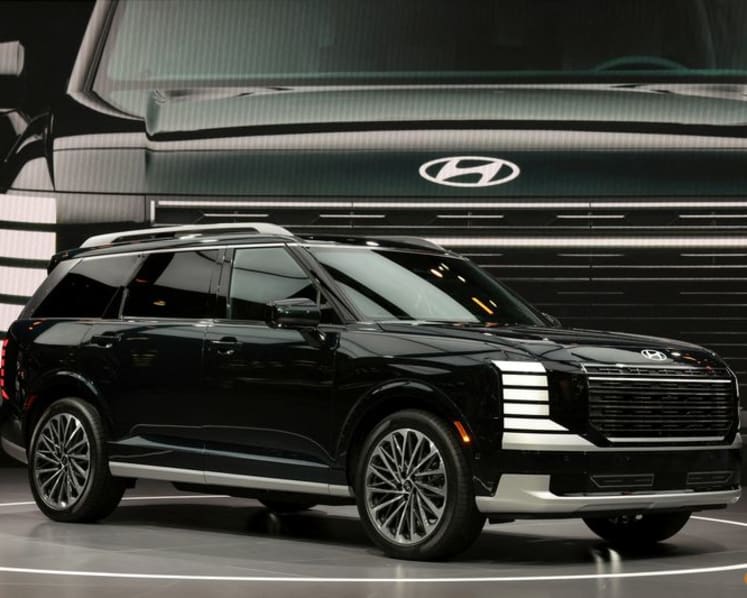
FILE PHOTO: The 2026 Hyundai Palisade SUV is displayed during the New York International Auto Show Press Preview in New York City, U.S., April 16, 2025. REUTERS/Shannon Stapleton/File Photo
WASHINGTON, April 7 : Hyundai Motor said on Tuesday it is lifting a halt on sales of recalled 2026 Palisade SUVs after finalizing a fix for a power seat issue that resulted in the death of a two-year-old girl in Ohio.
The Korean automaker said it finalized a software update for 2026 model year Palisade and Palisade Hybrid vehicles equipped with second‑ and third‑row power seats in Limited and Calligraphy trims. The automaker halted sales in mid-March and recalled 68,500 Palisade SUVs following the death. Once dealers complete the software update, they can resume sales.
The software update makes a series of changes, including requiring the tailgate to be open to use the seat stow function, while folding and stowing controls within the infotainment screen have been disabled.
It requires press‑and‑hold operation of seat and cargo‑area fold switches and has updated detection logic to improve occupant and object recognition.





Hyundai also recalled 58,000 Palisade Hybrid sport utility vehicles in South Korea. Local media reports said the automatic seat collapsed on the child sitting in the third row of a Palisade SUV. Hyundai has said it is investigating what happened.
Hyundai reported that two passengers of Palisade SUVs in South Korea were injured late last year in incidents potentially tied to an issue with the automatic seats. The automaker said earlier it had reports of four injuries in the U.S. linked to the power seat issue.
Palisade was Hyundai's top-selling SUV in South Korea last year.
In its recall, Hyundai said the second- and third-row powered seat assemblies may not respond to contact with an occupant or object as intended during activation of some functions.