IMF reserve data shows stabilisation in third quarter
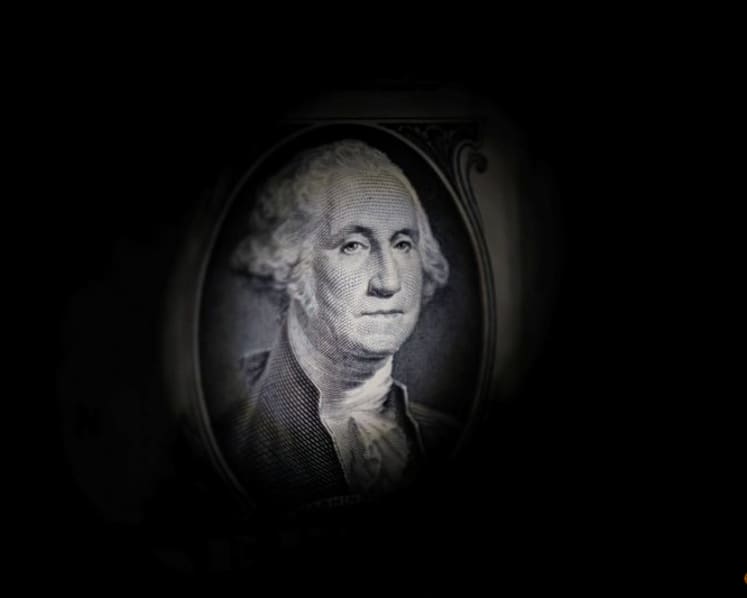
U.S. dollar banknote is seen in this illustration taken April 25, 2025. REUTERS/Dado Ruvic/Illustration
LONDON, Dec 22 : The U.S. dollar's share of global currency reserves reported to the International Monetary Fund edged lower to 56.92 per cent in the third quarter of 2025, while the share of euro-denominated reserves crept higher, International Monetary Fund data showed.
The data, released on Friday, broadly shows a stabilisation in the three months to the end of September after large swings in the second quarter, when forex markets, especially the U.S. dollar, were rocked by U.S. President Donald Trump's tariff announcements.
By the end of the second quarter, the share of global currency reserves held in the dollar was 57.08 per cent, while the share of euros gained, rising to 20.33 per cent from 20.24 per cent quarter-on-quarter, the IMF's Currency Composition of Official Foreign Exchange Reserves data showed.
It also showed the share of reserves held in the Japanese yen increased to 5.82 per cent in the third quarter from 5.65 per cent in the second quarter.





"For both dollar and euro reserves, our FX valuation adjustment suggests that reserve managers leaned into currency market fluctuations," Goldman Sachs analysts said on the data.
"Q3 saw a stabilisation in reported reserves with only minimal shifts in the share of USD and EUR reserves following large swings in reported reserves in Q2."
This year's swings have spurred a debate on whether the U.S. dollar could lose its status as the world's reserve currency of choice and the centre point of the global monetary system.
Some analysts point to nascent signs of de-dollarisation, but there is broad agreement that any such shift would be very slow.
The IMF data also reflected a change in methodology, with the IMF imputing the "unallocated" portion of reserves. Previously, the data had included an "unallocated" category to reflect the gaps caused by non-reporting or incomplete submissions.
The change in methodology, which is reflected in data backdated to 2000, resulted in some small adjustments.