Investors press Amazon, Microsoft and Google on water, power use in US data centers
(Corrects paragraph 10 to show that Amazon provides data on water usage per unit of power not total water usage)
By Simon Jessop, Valerie Volcovici and Supantha Mukherjee
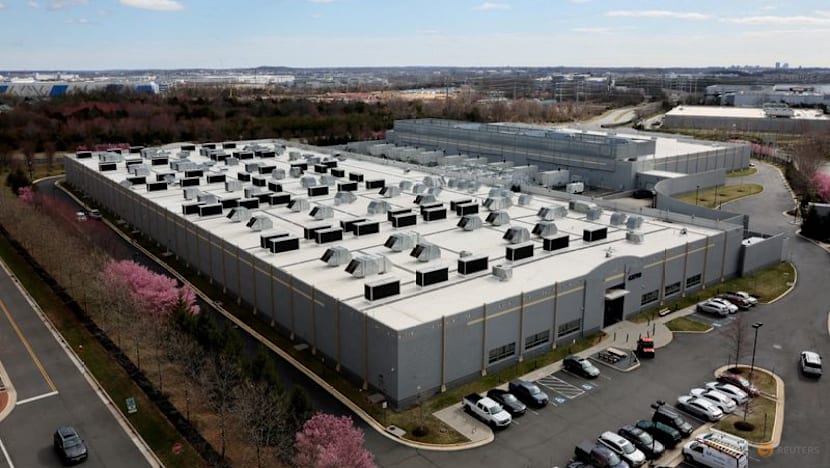
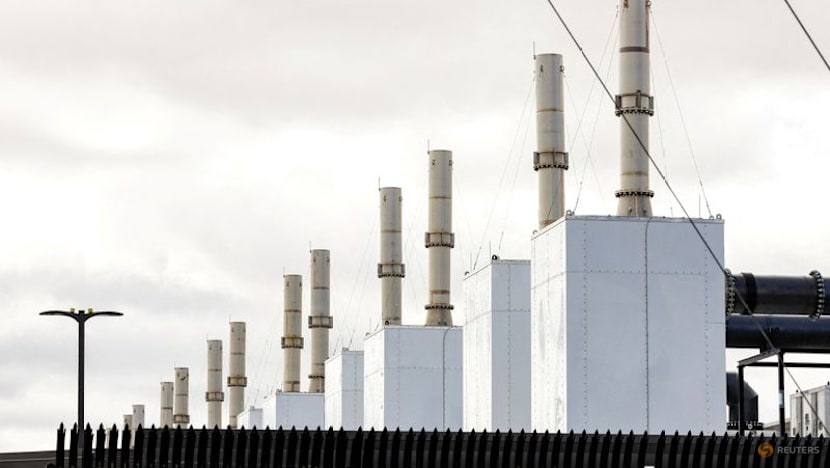
LONDON, April 6 : Amazon, Microsoft and Alphabet's Google have each recently abandoned construction of multibillion-dollar data centers over community opposition and now the companies are coming under shareholder pressure over the environmental impact of their projects.
More than a dozen investors are cranking up the heat on companies ahead of annual shareholder meetings this spring, seeking more data on the tech giants' water usage and conservation efforts as they seek to expand their computing power, according to interviews with Reuters.





Trillium Asset Management, a Boston-based firm with more than $4 billion in assets under management, filed a resolution with Alphabet in December seeking clarity on how it will meet existing climate goals given the surging energy needs of its data centers, Andrea Ranger, director of shareholder advocacy, said in an interview.
The company pledged in 2020 to halve its emissions and use carbon-free energy sources by 2030. Yet Trillium said emissions instead rose 51 per cent, leaving investors "in the dark" about how it planned to meet the goals.
A similar resolution from Trillium last year won support from nearly a quarter of independent shareholders.
Green Century Capital Management shareholder advocate Giovanna Eichner, meanwhile, said it was in discussions with Nvidia about submitting a resolution "to ensure that short-term AI gains do not come at the cost of long-term climate and financial risk," declining to share more details.
WATER USAGE QUESTIONED
Shareholders want more data on the companies' water usage. North American data centers used nearly 1 trillion liters of water in 2025, according to data from market research firm Mordor Intelligence, roughly equivalent to the annual demands of New York City.
While Meta, Google, Amazon and Microsoft have all started using closed-loop cooling in their data centers that require much less water, the data on that usage varies.
Meta's 2025 environmental report showed water usage for the sites it owned, but not for the ones it leased or were under construction. Total usage rose 51 per cent from 3,726 megaliters in 2020 to 5,637 megaliters in 2024, enough water to supply more than 13,000 homes for a year.
Google's 2025 environmental report showed data for the sites it owns and leases, but not those operated by third parties. Microsoft reported total water usage, but not by site in its sustainability report. Amazon did not report total water usage data and instead provided data showing usage per unit of power, in its 2025 sustainability report.
Josh Weissman, director of infra capacity delivery at Amazon, said it was "increasingly disclosing site-specific water consumption data where we operate." An Amazon spokesperson added that the company was committed to being a "good neighbor" and was investing in efficiency efforts, bringing new energy online and reducing its water use.
Site-level data is crucial as it helps investors to better assess the operational risks and the performance of the company in managing them, investors said, adding they also wanted to know more about efforts to replenish the water supplies.
LOCAL DATA REQUESTED
"We haven't seen them disclosing enough about their water consumption (and the) impact on the local community," said Jason Qi, lead technology analyst at Calvert Research and Management.
A Microsoft spokesperson said environmental sustainability was "a core value" and it was "proactively addressing sustainability challenges and accelerating solutions for long‑term impact."
A Google spokesperson declined to comment and Meta did not return a request for comment.
Dan Diorio, vice-president of the Data Center Coalition, a lobby group whose members include the Big Four tech firms, said improving community engagement had become a top priority over the last year.
"Being upfront with them regarding energy and water use, and so that residents can understand that this project will not stress their resources... and will protect them as rate payers is crucial."