Japan regulator chief says clear growth plans best defence against short‑term activists
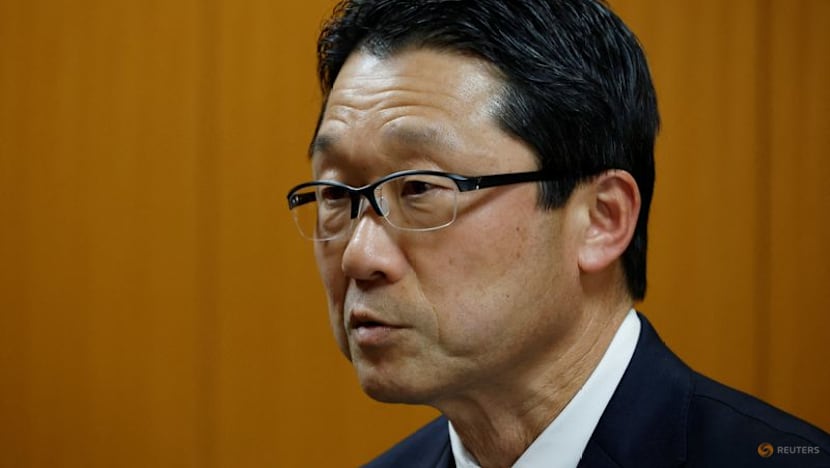
Japan's Financial Services Agency Commissioner Yutaka Ito speaks during an interview with Reuters in Tokyo, Japan, March 18, 2026. REUTERS/Kim Kyung-Hoon
TOKYO, March 19 : Companies should counter short-term activists less with defensive tactics and more with steady communication that reinforces confidence in long-term growth plans, Japan's financial regulator chief said.
The comments from Financial Services Agency (FSA) Commissioner Yutaka Ito come amid grumbling from some companies that the regulator's push for better capital use has emboldened activist investors to press for higher shareholder returns.
"There are some among activist investors who try to strip a company of resources for short-term gain that should be used for future investment, but preventing this through regulatory means is difficult," Ito said in an interview.
"The most effective way to deal with them is to clearly explain the company's growth strategy and why this capital is needed for the future. If investors understand and support that, it's rare for activists to build a dominant stake," he said.





Japanese companies have long sat on vast cash piles, depressing capital efficiency and drawing activist pressure for higher dividends or share buybacks.
Two years ago, the Tokyo Stock Exchange made a rare call for listed firms to disclose plans to improve capital efficiency, a move investors welcomed as a remedy for Japan's unusually large number of chronically undervalued stocks.
While the initiative has triggered a wave of share buybacks and dividend hikes, it has failed to prompt a significant rise in business investment, frustrating policymakers.
Against that backdrop, the FSA is set to revise the corporate governance code this year, urging companies to assess whether cash and deposits are being effectively deployed for investment and growth rather than left idle on balance sheets.
Once the code is revised, Ito said the FSA would gather feedback from investors and companies for future updates. "There is no end to corporate governance reform," he said.
PRIVATE CREDIT
Asked about recent negative headlines around private credit, Ito said the FSA has been closely monitoring the situation. "As for how this might spill over to Japanese banks, there is still nothing concrete that has emerged," he said.
"We have a detailed understanding of Japanese banks' exposures, and that includes their own assessments and how they are managing those positions. We'll continue to monitor those," he added.