Oil extends gains as Middle East conflict threatens export facilities
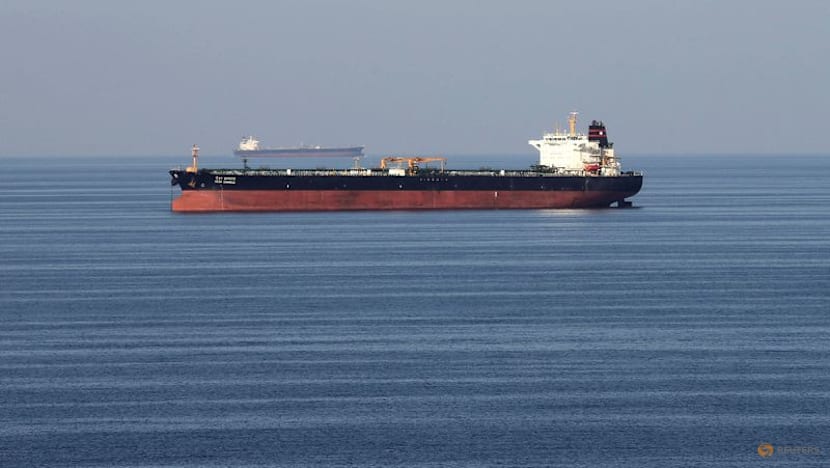
Oil tankers pass through the Strait of Hormuz, Dec 21, 2018. (File photo: REUTERS/Hamad I Mohammed)
Oil prices extended gains on Monday (Mar 16) as the US-Israeli war against Iran entered a third week, putting oil infrastructure at risk and keeping the Strait of Hormuz shut in the biggest disruption to global supplies ever.
Brent crude futures jumped US$2.01, or 1.95 per cent, to US$105.15 a barrel by 11.38pm GMT after settling US$2.68 higher on Friday.
US West Texas Intermediate crude climbed US$1.61, or 1.63 per cent, to US$100.32 a barrel, after gaining nearly US$3 in the previous session.
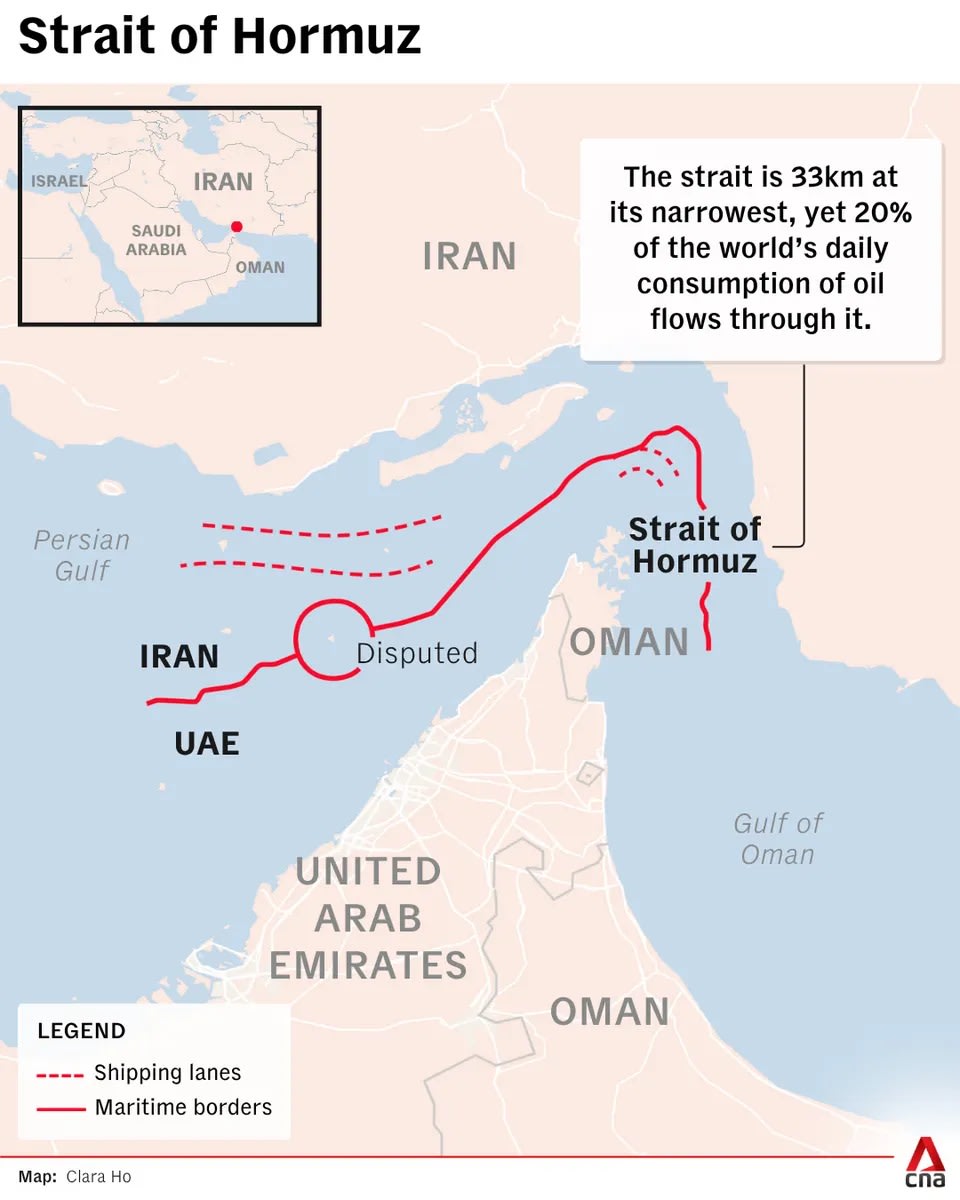
Both contracts have surged more than 40 per cent this month to their highest levels since 2022 after the US-Israeli attacks on Iran prompted Tehran to halt shipping through the Strait of Hormuz - a key chokepoint for a fifth of the global oil supply.
US President Donald Trump threatened further strikes on Iran's Kharg Island oil export hub after hitting military targets over the weekend, drawing a defiant response of more retaliation from Tehran. Kharg Island handles about 90 per cent of Iran's oil exports.
Iranian drones hit a key oil terminal in Fujairah in the United Arab Emirates shortly after the attacks on Kharg. Oil loading operations at Fujairah have since resumed, four sources said, but it was unclear if the operations were back to normal.
Fujairah, outside the Strait of Hormuz, is the outlet for about 1 million barrels per day of the UAE's flagship Murban crude oil - a volume equal to about 1 per cent of world demand.
"The US is weighing high-risk ground options including raiding nuclear sites for Iran's enriched uranium, seizing the Kharg Island oil hub, and occupying southern Iran to protect the Strait of Hormuz," SEB analyst Erik Meyersson said in a note.
"All of these imply significant escalation and require a tolerance for substantially higher risk."
Trump has urged allies to deploy warships to help secure the strategic gateway. He plans to announce a coalition to escort ships through the Strait of Hormuz as soon as this week, the Wall Street Journal reported on Sunday.
OIL RESERVES
The International Energy Agency on Sunday said more than 400 million barrels of oil reserves will begin flowing to the market soon, a record draw aimed at combating price spikes caused by the Middle East war.
Stocks from Asia and Oceania countries will be released immediately, and those from Europe and the Americas will be available at the end of March, the agency said.
Meanwhile, the Trump administration has rebuffed efforts by Middle Eastern allies to start diplomatic negotiations, according to three sources familiar with the efforts, while Iran has rejected the possibility of any ceasefire until the US and Israeli strikes end, dimming hopes of a quick end to the conflict.
"As the conflict enters its third week, the lack of a clear denouement has left global markets increasingly worried about an uncontrollable escalatory spiral," SEB's Meyersson said.
Still, US Energy Secretary Chris Wright said on Sunday that he expects the US war with Iran to end within "the next few weeks", with oil supplies rebounding and energy costs declining afterwards.