







Oil prices gain as traders doubt prospects of ceasefire in Iran war
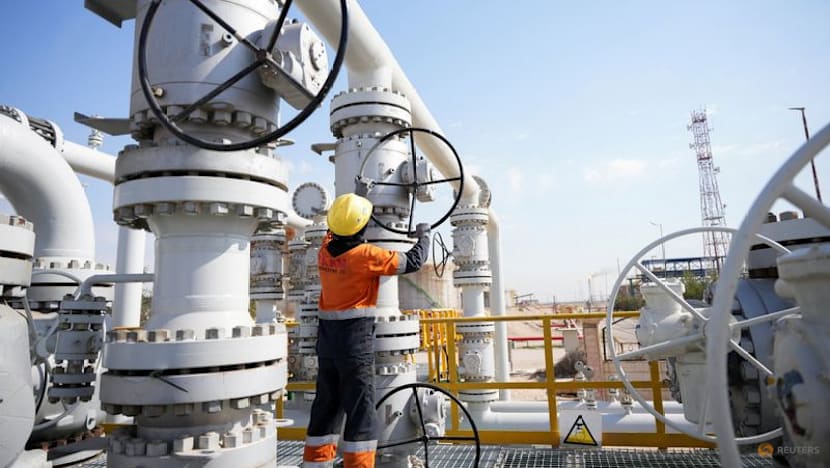
FILE PHOTO: A worker operates valves at the Rumaila oil field, as the country cuts nearly 1.5 million barrels per day of output amid halted exports following the closure of the Strait of Hormuz, in Basra, Iraq, March 4, 2026. REUTERS/Essam Al-Sudani/File Photo
NEW YORK, March 27 : Oil prices rose on Friday and notched weekly gains, reflecting scepticism about prospects for a ceasefire in the month-old Iran war.
Brent crude futures rose by $4.56, or 4.2 per cent, to $112.57 a barrel. U.S. West Texas Intermediate futures rose $5.16, or 5.5 per cent, to settle at $99.64.
The Brent benchmark has jumped 53 per cent since February 27, the day before the U.S. and Israel launched strikes against Iran, while WTI has gained 45 per cent since then. On a weekly basis, Brent gained about 0.3 per cent, while WTI gained over 1 per cent.
Traders are cautious about Trump's statements about the Iran talks. An Iranian official told Reuters that a U.S. proposal conveyed to Tehran by Pakistan was "one-sided and unfair".





"Investors remain focused on the war's longevity rather than headlines, with any prolonged closure of the strait (of Hormuz) or damage to infrastructure keeping a significant risk premium in prices," StoneX analyst Alex Hodes said.
While Trump extended his deadline for Iran to reopen the Strait of Hormuz or face the destruction of its energy infrastructure, the U.S. has also sent thousands of troops to the Middle East, with Trump weighing whether to use ground forces to seize Iran's strategic oil hub of Kharg Island.
"We look for the oil market to develop an immunity to Trump's conciliatory comments and optimistic tone regarding a deal, especially given apparent intentions to send an additional 10,000 troops toward Iran," oil trading adviser Ritterbusch & Associates said in a note to clients.
The Iran war has taken about 11 million barrels per day out of global oil supply, with the International Energy Agency describing the crisis as worse than the two 1970s oil shocks combined.
"Every day flows through the Strait remain restricted, more than 10 million barrels of oil are missing ... tightening the oil market further," said UBS analyst Giovanni Staunovo.
Analysts at Macquarie Group said that oil prices will fall quickly if the war begins to wind down soon but still remain above pre-conflict levels. However, prices could rise to $200 if the war drags on until the end of June, they added.
Elsewhere, Russian oil producers have warned buyers that they could declare force majeure on supplies from major Baltic Sea ports after Ukrainian attacks on Russian energy infrastructure.





