







Safe haven Japanese yen and Swiss franc gain after weekend Iran strikes
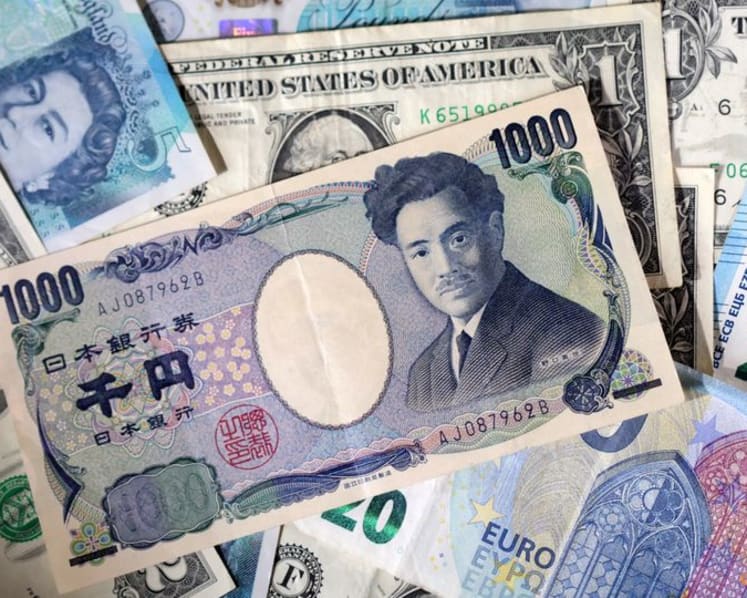
U.S. dollar, Euro, Yen and Pound banknotes are seen in this illustration taken May 4, 2025. REUTERS/Dado Ruvic/Illustration
LONDON, March 1 : The safe-haven Swiss franc and Japanese yen firmed, while the euro slid as trading resumed after a weekend that saw the United States and Israel launch their most ambitious attacks on Iran in decades, killing Supreme Leader Ayatollah Ali Khamenei.
The euro dropped 0.34 per cent to $1.1776 compared with around $1.18 in late New York trade on Friday. It also fell 0.5 per cent on the Swiss franc to 0.9039, its lowest since 2015.
The dollar slipped 0.26 per cent to 155.65 yen and was last down 0.3 per cent against the Swiss franc. But the greenback strengthened on sterling and the Australian dollar.
U.S. and Israeli strikes - and Iranian retaliation - have sent shockwaves across the Middle East, and through sectors from shipping to air travel to oil on warnings of rising energy costs and disruption to business in the Gulf, a strategic waterway and global trade hub.





How energy markets react will be a major driver of how stocks, bonds and currencies trade in response to developments in Iran.
Analysts expect oil to open sharply higher on Monday - traders say it is already up around 10 per cent in over the counter markets. Safe haven gold is also likely to jump, and stocks to fall.
Most Gulf equities fell on Sunday and Boursa Kuwait suspended trading after Iranian retaliatory attacks across nearby U.S. targets in Gulf cities fanned fears of prolonged regional instability. [.MIDEAST]
INVESTORS ARE SCENARIO PLANNING
FX markets were among the first asset class to begin trading following weekend developments, as investors scrambled to work out what comes next.
"We see two scenarios: first, contained disruptions to global energy markets, with limited implications for the world economy. Second, a more protracted, broader conflict leading to an oil shock," said Lombard Odier chief economist Samy Chaar.
"We believe that the first case is playing out right now," he said, but, in the second scenario, "commodities, bond yields, currencies, oil-sensitive equity sectors, inflation expectations, monetary policy paths – and in case of a protracted closure (of the Strait of Hormuz), economic growth – would all be affected."
Brent crude oil traded 8 per cent-10 per cent higher at around $80 per barrel over the counter on Sunday, traders said. It jumped on Friday to $73, its highest since July.
Iran is a major energy producer and lies opposite the oil-rich Arabian Peninsula across the Strait of Hormuz, through which about 20 per cent of global oil supply passes.





