







Thai economy expands in Q1 but set to slow due to Middle East war, central bank says
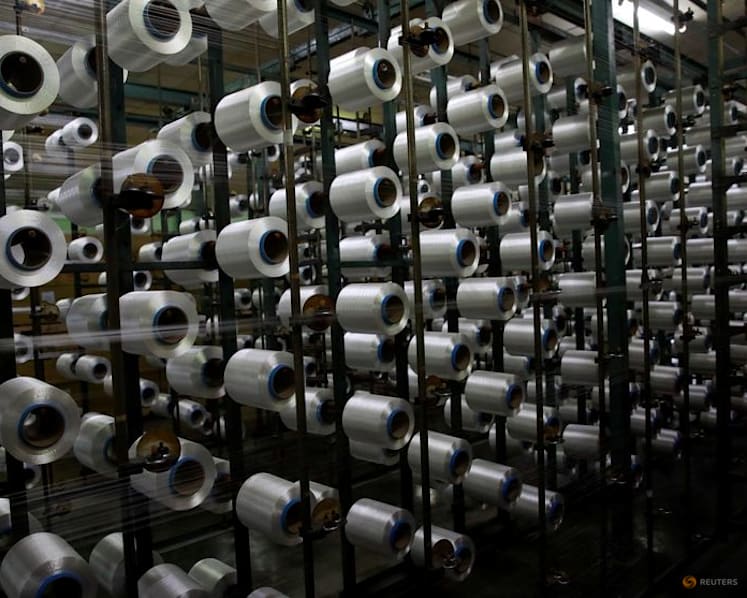
FILE PHOTO: A view inside a weaving factory in Bangkok, Thailand September 1, 2021. REUTERS/Soe Zeya Tun/ File Photo
BANGKOK, April 30 : Thailand’s economy expanded in the first quarter from the previous three months, supported by domestic demand and exports before the Middle East conflict escalated, but activity is expected to slow, the central bank said on Thursday.
Economic activity in March was broadly unchanged from February, underpinned by exports, manufacturing output and government spending, but spillovers from the Middle East war have started to weigh on momentum, the Bank of Thailand said.
• The economy in the first quarter is expected to post similar annual growth to the final quarter of 2025, with on-quarter growth seemingly slowing but remaining positive, with no signs of stagflation so far, senior central bank director Pranee Sutthasri told a briefing.
• The economy expanded 2.5 per cent on the year in the final quarter of 2025 and 1.9 per cent on the quarter.





• The impact of the conflict started to show towards the end of the quarter, reflected in a sharp decline in exports to the Middle East and weaker foreign tourist arrivals, the central bank said.
• The Bank of Thailand held rates steady on Wednesday, forecasting slower growth of 1.5 per cent and higher inflation of 2.9 per cent for this year.
• Thailand's manufacturing production index rose 0.75 per cent in March from a year earlier, the industry ministry said on Thursday, stronger than analysts' forecasts for a 1.0 per cent drop.
• March's output was helped by growth in the petroleum and automotive industries, while exports remained strong, the ministry said.
• Rising energy and freight costs, linked to the war in the Middle East, pushed up production costs, while increased competition from imported goods intensified pressure on domestic producers, the ministry said.





