World Bank says South Asia growth to slow to 6.3% in 2026 amid Middle East conflict
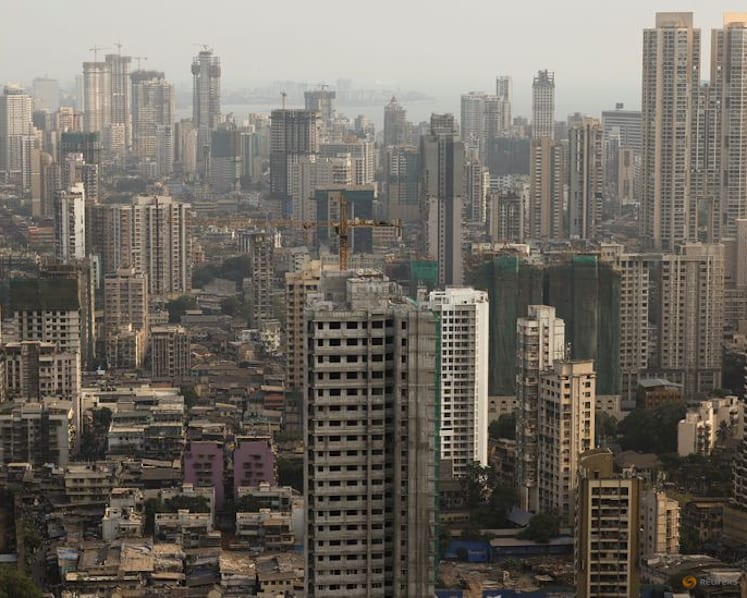
A general view of the skyline in Mumbai, India, May 5, 2025. REUTERS/Francis Mascarenhas
NEW DELHI, April 8 : South Asia's growth is expected to slow to 6.3 per cent in 2026 from 7.0 per cent in 2025 as the conflict in the Middle-East and disruptions in global energy markets weigh on the import-dependent region, the World Bank said on Wednesday.
In its latest South Asia Economic Update, the bank said growth should recover to 6.9 per cent in 2027, while the region would remain the fastest growing among emerging market and developing economies.
The World Bank said the outlook was highly uncertain because South Asia depends heavily on imported energy and is vulnerable to spillovers from the Middle East conflict. It warned that further energy market dislocation could raise inflation, force monetary tightening and weaken remittance flows.
World Bank President Ajay Banga said on Tuesday the war in the Middle East would lead to slower global growth and higher inflation, regardless of how quickly it ended.





The World Bank said India is expected to remain the main driver of regional growth, with output projected at 7.6 per cent in fiscal 2025/26 before easing to 6.6 per cent in 2026/27. It had forecast growth for the current financial year at 6.3 per cent in October 2025.
"Despite a challenging global environment, South Asia’s growth prospects remain strong,” said Johannes Zutt, World Bank Vice President for South Asia, adding countries needed reforms to sustain growth, create jobs and raise resilience to shocks.
The lender said Bangladesh is forecast to grow 3.9 per cent in fiscal 2025/26 as it recovers from political unrest, while Bhutan is seen expanding 7.1 per cent on the back of hydropower projects.
Sri Lanka is projected to grow 3.6 per cent in 2026, slowing from 5.0 per cent in 2025, as higher energy prices weigh on activity, while the Maldives is expected to slow sharply to 0.7 per cent as tourism, fuel costs and financing conditions come under pressure.
Nepal is forecast to grow 2.3 per cent in fiscal 2025/26, with a rebound later as the effects of unrest fade.
Pakistan and Afghanistan will be separately covered in the World Bank's Middle East and North Africa update.
The bank also said South Asian countries were implementing industrial policies at about twice the rate of other emerging economies, but that results had been mixed.
Import-restricting measures were linked to significant declines in imports, while export-promoting measures were not associated with meaningful gains in exports, it said.