







US dollar firms on renewed inflation risks; market pares back rate-cut outlook
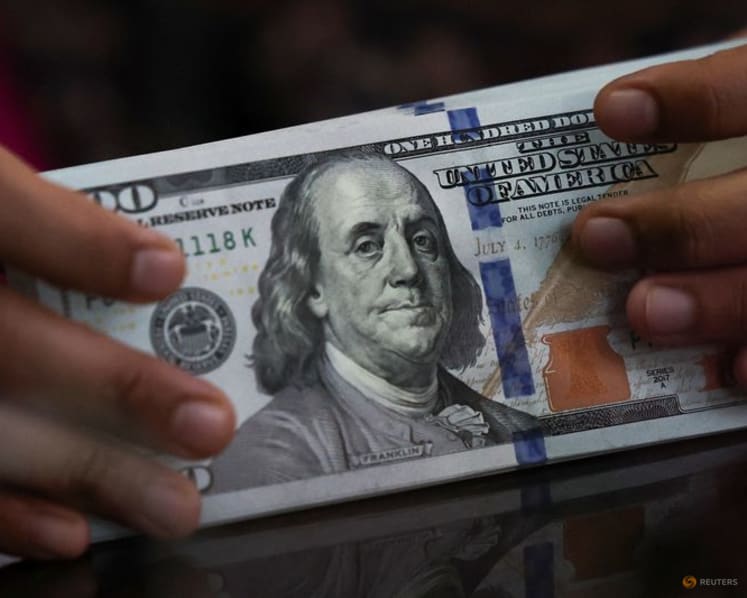
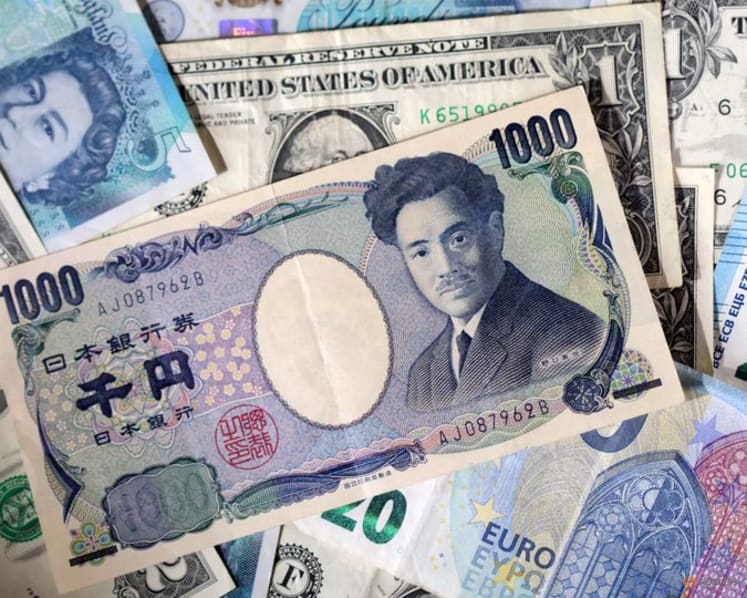
NEW YORK/LONDON, March 3 : The U.S. dollar logged sharp gains on Tuesday, hitting multi-month peaks against the euro, sterling and yen as tensions in the Middle East fuelled expectations of prolonged global inflation and triggered broad demand for safe‑haven assets.
But as U.S. equities cut their losses in the afternoon session, the dollar pared its gains.
A jump in crude prices overall has pushed traders to re‑evaluate the likelihood and timing of interest rate cuts by major central banks. Higher energy costs threaten to elevate consumer prices, particularly for economies heavily dependent on oil imports, making policymakers more cautious about easing financial conditions too soon.
On day four of the war, Israeli and U.S. forces pounded targets across Iran on Tuesday, prompting Iranian retaliatory strikes around the Gulf as the conflict spread to Lebanon.





In that context, the United States is increasingly viewed as a relative safe haven, supported by its higher degree of energy self‑sufficiency and generally resilient economic data, some analysts said.
"How much this war is disproportionately hitting Europe and other oil-importing countries is really being highlighted right now in the markets," said Kevin Gordon, head of macro research & strategy, at Charles Schwab in New York. "The dollar remains a haven, even if not even the bond market is benefiting."
This remains the case although recent market volatility and shifting geopolitical alignments have prompted debate over how durable the dollar's safe‑haven status will be over the longer term.
In afternoon trading, the dollar surged against the euro, which was last down 0.6 per cent at $1.1616. Earlier in the session, the euro fell to its lowest level since late November.
President Donald Trump said the war could continue for weeks and that it was unclear who was in charge in Iran after the death of Supreme Leader Ayatollah Ali Khamenei. Israeli Prime Minister Benjamin Netanyahu sought to ease concerns about the timeline, telling Fox News it would not be an "endless war".
Against the yen, the dollar rose 0.2 per cent to 157.61 yen after earlier climbing to its highest since January 23, when the New York Federal Reserve reportedly conducted rate checks on the dollar/yen pair.
Europe and Japan are more exposed to higher energy costs than the U.S., which is a net energy exporter.
Sterling dipped 0.3 per cent on the day against the dollar to $1.3361, hitting its lowest since December earlier in the session. The currency had already been languishing because of domestic economic and political headwinds.
CAN DOLLAR SUSTAIN GAINS?
The dollar index, which measures the greenback against a basket of currencies, rose 0.5 per cent to 98.995, after earlier touching a more than three-month peak.
Invesco strategists cautioned that the rally could be short-lived, highlighting that "tepid" dollar gains after U.S. strikes on Iranian nuclear sites last June quickly gave way to underperformance.
"We wonder about the possibility that the rally hits the brakes if indeed somehow a peaceful resolution suddenly springs about," said Juan Perez, director of trading at Monex USA in Washington. "There seemed to be little appetite for this war so we feel there may be a faster dash to resolution than most anticipate."
In Japan, Finance Minister Satsuki Katayama said financial officials were closely monitoring markets with an "extremely strong sense of urgency."
When asked about the possibility of currency intervention, she said Japan had reached a common understanding with the U.S. last year.
Concerns that higher inflation will delay the Federal Reserve's next cut in interest rates also boosted the dollar. Rate cuts typically weigh on a currency.
A rate cut is no longer fully priced in until September, compared to previous expectations of July, based on pricing in the Fed funds futures market. Traders were also less convinced that the Fed will be able to cut 25 basis points twice by year-end.
On Tuesday, rate futures factored in 46 bps in easing compared with 59 bps late last week, according to LSEG data.
The dollar also gained against the Swiss franc, up 0.2 per cent to 0.7812 franc. Earlier, the greenback rose to its highest since late January versus the Swiss currency.
The Swiss franc rose against the euro, which dipped 0.4 per cent to 0.9076 franc.





