Yen hits two-week low after pro-stimulus board appointments
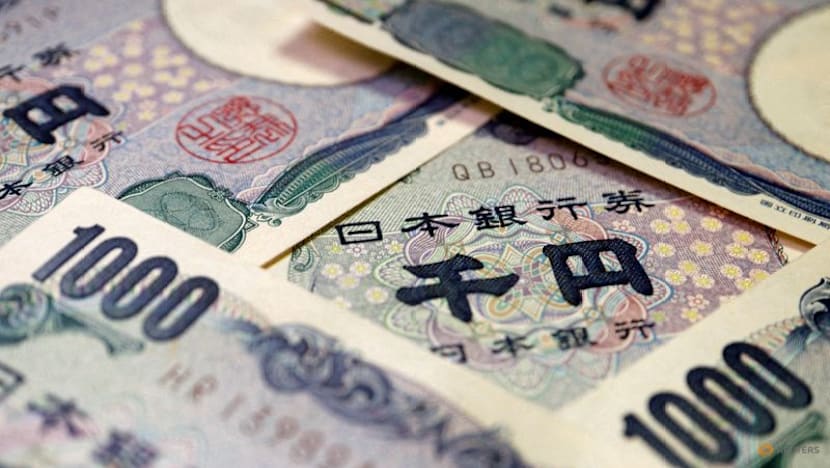
FILE PHOTO: Banknotes of Japanese yen are seen in this illustration picture taken September 22, 2022. REUTERS/Florence Lo/Illustration/File Photo
NEW YORK, Feb 25 : The Japanese yen reached a two-week low against the U.S. dollar on Wednesday after Japan's government appointed two academics who are viewed as strong advocates of economic stimulus to the central bank's board, adding to concerns about the pace of further rate hikes.
The nominations follow Japanese Prime Minister Sanae Takaichi's similar appointments to several posts of people seen as economic "reflationists" who advocate loose monetary and fiscal policies to prop up growth, even if it means increasing inflation and debt.
A report on Tuesday said Takaichi expressed reservations about additional interest rate hikes during her meeting with Bank of Japan Governor Kazuo Ueda last week, which also weakened the Japanese currency.
The Japanese yen fell 0.36 per cent against the greenback to 156.44 per dollar.





The yen has strengthened from an 18-month low of 159.45 reached on January 14 on expectations that the Bank of Japan will hike rates as it battles rising inflation in the country.
"If we zoom out, there is a secular escape from deflation happening in Japan and that should keep the 10-year JGB yields and the yen under some upward pressure. So we do think that there is scope for appreciation," said Angelo Kourkafas, senior global strategist for investment strategy at Edward Jones.
The euro held in a tight range against the dollar as traders looked for a fresh catalyst to drive direction.
The dollar index, which measures the greenback against a basket of currencies including the yen and the euro, fell 0.2 per cent to 97.69, with the euro up 0.3 per cent at $1.1806.
Traders are evaluating the impact of new tariffs after the U.S. Supreme Court struck down President Donald Trump's emergency tariffs on Friday.
Trump responded by implementing new levies under an untested law, known as Section 122, that allows tariffs up to 15 per cent but requires congressional approval to extend them after 150 days. Trump said he would use the 150-day period to work on issuing other "legally permissible" tariffs.
The U.S. tariff rate for some countries will rise to 15 per cent or higher from the newly imposed 10 per cent, U.S. Trade Representative Jamieson Greer said on Wednesday, without naming any specific trading partners or giving further details.
"We've seen some policy volatility, especially on Friday after the court decision, that's injecting a fresh dose of uncertainty around trade and how the administration is going to respond," Kourkafas said.
"At the same time, we continue to see the U.S. economy not only being resilient, but we're still talking about the potential for above-trend growth, productivity gains and earnings growth that is outpacing other areas," Kourkafas added, saying that "the dollar can be mostly range bound this year."
The Federal Reserve is expected to keep rates on hold until at least June as policymakers express concerns over still elevated U.S. inflation. The European Central Bank, meanwhile, is expected to be on hold for the entirety of 2026.
Kansas City Fed President Jeffrey Schmid said on Wednesday that overly high inflation remains a key problem the central bank needs to address, but he stopped short of saying how monetary policy should respond.
St. Louis Fed President Albert Musalem said he feels the current setting of the U.S. policy rate appropriately balances the current economic risks, even as his baseline outlook calls for inflation to head back down toward 2 per cent later this year and for the labor market to stabilize.
Traders are waiting on earnings from AI chipmaker Nvidia Corp, which will report after the bell on Wednesday, for a further gauge of risk sentiment.
Nuclear talks between the United States and Iran also remain in focus.
The U.S. Treasury Department on Wednesday imposed sanctions on more than 30 individuals, entities and "shadow fleet" vessels it said enabled Iran's illicit petroleum sales, ballistic missiles and weapons production.
The Australian dollar rose after data showed Australian consumer prices rose by more than expected in January, while core inflation hit the highest in over a year. It was last up 0.96 per cent versus the greenback at $0.7123.
In cryptocurrencies, bitcoin gained 7.86 per cent to $69,091.
(Additional reporting by Stefano Rebaudo and Tom Westbrook; Editing by Will Dunham)