







Yen surges, analysts suspect official Japanese intervention
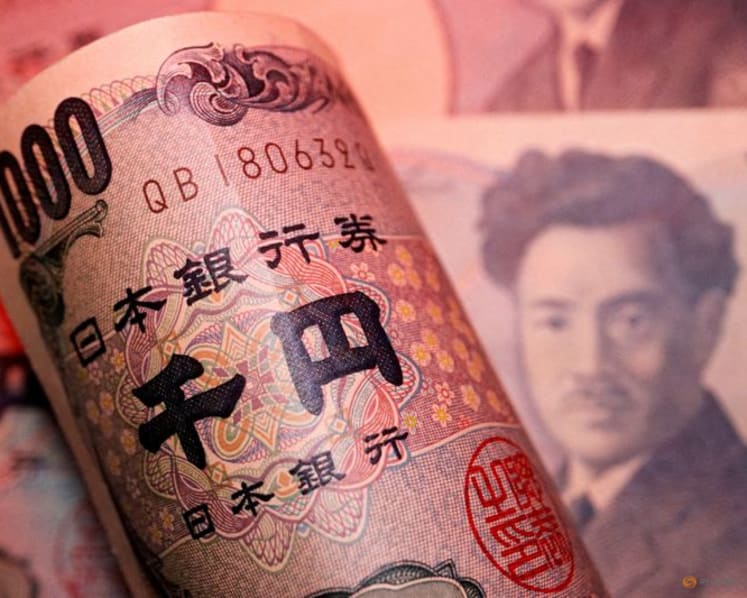
LONDON/NEW YORK/TOKYO, July 30 : Japan's yen surged on Thursday against the U.S. dollar by the most since 2022, in what analysts said looked like official intervention by Tokyo to prop up the currency that had been languishing at four-decade lows.
The Japanese finance ministry’s (MOF) foreign exchange division, which directs intervention, could not be reached immediately for comment. Reuters could not immediately confirm whether Japanese authorities were in the market, but the size of the yen's move suggested intervention, and banks reported much higher volumes than usual of currency trading.
The dollar fell by as much as 3 per cent to 158.34, down from 40-year highs near 164 yen hit earlier this week.
The dollar was set for its biggest one-day fall since late 2022. On Friday, the Bank of Japan is scheduled to announce of its latest rate decision. On Wednesday, the U.S. Federal Reserve left interest rates unchanged, which bruised the dollar as traders questioned whether the Fed's new chief was serious about containing inflation.





"It is hard to imagine anything other than currency intervention causing a drop of as much as 5 yen in such a short period of time," said Daisaku Ueno, chief FX strategist at Mitsubishi UFJ Morgan Stanley Securities.
"If it was indeed an intervention, many market participants had expected it to take place after the FOMC and Bank of Japan meetings, so there may have been an intention to catch the market off guard."
Markets have been on alert for yen-buying by Japanese authorities, who have warned of action for months as currency weakness exacerbates the cost-of-living impact of rocketing energy import prices.
Currency analysts said a backdrop of month-end positioning, weak U.S. economic data and the broadly soft dollar may have provided Japan with a good opportunity to support their embattled currency.
Sources said recently the MOF could step in abruptly to wipe out speculative yen positions, departing from the calibrated jawboning that preceded previous bouts of intervention.
Mizuho Bank senior strategist Masayuki Nakajima noted that previous Japanese currency intervention had been conducted on the day after the Fed meeting.
Currency trading volumes also surged.
Citi's sales and trading desk said in a note to institutional clients that between 0930 and 0940 ET (1330 GMT) their eTrading desk had recorded an estimated $8.1 billion worth of dollar/yen selling across core currency trading venues.
"Intervention looks plausible," they said.
The yen also jumped over 2 per cent against each the euro and pound and almost 2 per cent against Australia's currency.
YEN HAD SLUMPED NEAR 40-YEAR LOWS
In real terms, the yen is trading near record lows and has been under pressure for years thanks to Japan's low interest rates and worries that Prime Minister Sanae Takaichi wants to suppress borrowing costs to fund spending increases.
Her government has said that the weak yen has started harming the economy, via higher import costs.
This would not be the first intervention this year. Japanese authorities spent more than $70 billion in dollar-selling intervention in April and May though the yen soon gave back those gains.
The focus now turns to Friday's BOJ meeting.
The central bank is set to keep rates steady but leave scope for further hikes with hawkish communication.
Should traders see the messaging around that decision as suggesting a slower pace of rate hikes, the yen could give back its gains quite quickly.
"Given the circumstances, it is reasonable to think that intervention was likely conducted," said Yuji Saito, executive advisor, SBI FX Trade, in Tokyo.
"The key question is whether authorities will keep pushing until the dollar breaks below the 155-yen line. We want to gauge that as just how serious the government is about defending the currency."





