







25,000 people to pay higher MediShield Life premiums
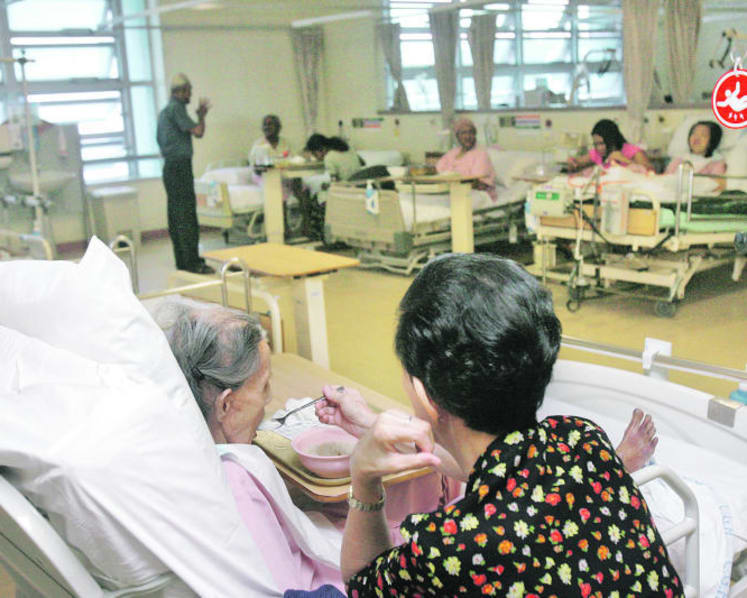
TODAY file photo


SINGAPORE — About 25,000 Singaporeans and permanent residents with serious pre-existing medical conditions will have to pay additional premiums for MediShield Life, the Ministry of Health (MOH) said today (Sept 21).
The individuals identified, who will have to pay 30 per cent more in premiums for 10 years after MediShield Life begins in November, make up less than 1 per cent of all Singapore citizens and permanent residents.
They will be notified through letters from the Central Provident Fund (CPF) Board from now until late October. Of the 25,000 people, about 23,000 are currently uninsured while the remainder are insured under MediShield or Integrated Shield plans but with exclusions. MediShield Life will cover all Singaporeans and Permanent Residents and offer more protection than the current MediShield scheme against large hospital bills.
The identified individuals have to pay additional premiums because their conditions require intensive intervention to treat or manage, or have a high risk of future complications or recurrence, said the MOH.





They were shortlisted after the CPF Board tapped existing medical information in Government databases and medical institutions, which is allowed under the MediShield Life Scheme Act.
Health Minister Gan Kim Yong said the authorities have adopted a “fair and compassionate approach” in identifying Singaporeans who will be subject to additional premiums.
“Most of them would not be able to purchase insurance and would have been bearing high medical costs without any insurance protection over the past years. With MediShield Life, they can now be covered for life and receive help with their large medical bills,” he said.
Conditions including cancer, stroke and degenerative diseases such as Parkinson’s and muscular dystrophy will incur higher premiums, according to a table of such conditions by the MOH. Also included are liver cirrhosis, schizophrenia and chronic conditions with serious complications, such as diabetes with kidney complications.
Some individuals with pre-existing conditions will not need to pay extra, however, if their conditions are less serious or well-controlled. They may have well-controlled diabetes, hypertension with no complications, osteoarthritis, fibroids or cysts, for instance. People hospitalised due to one-off events such as accidents or dengue will also not have to pay higher premiums for MediShield Life.
Medical conditions that develop after the start of one’s MediShield cover are not considered to be pre-existing conditions, said the MOH. Someone who joined MediShield in 2005 and who had a heart attack in 2010, for instance, will not pay additional premiums under MediShield Life because the heart attack occurred after he had joined MediShield.
It is not yet known how many of the 25,000 individuals are eligible for premium subsidies given to lower- and middle-income households. But various subsidies for MediShield Life premiums will also apply to additional premiums, and Medisave may be used to pay the full MediShield Life premiums, said the MOH.
Dr Jeremy Lim, partner and Asia-Pacific head of health and life sciences at global consulting firm Oliver Wyman, said the Government was “very generous” in defining the categories of conditions that will be subject to additional premiums.
The number of affected individuals is “smaller than what you would expect”, and is roughly 15 per cent of those currently without MediShield, he said. “The Government took pains to not impose higher premiums on those who have well-controlled pre-existing illnesses, whereas for commercial insurers, generally, any pre-existing illness would lead to imposition of much higher premiums.”
Member of Parliament (Tanjong Pagar GRC) Chia Shi-Lu said the conditions included were “probably what you would expect from an insurance perspective”. Noting the Government’s “soft touch” in excluding those with conditions such as well-controlled diabetes and osteoarthritis, he said: “I think it will be a relief to many people because those conditions are fairly common.”
Dr Chia felt many of the 25,000 or so affected individuals would have been looking forward to MediShield Life coverage. Some with less urgent conditions will probably go for procedures after the scheme takes effect, “because the coverage really helps a lot, especially for the bigger hospitalisation bills”.




