







4G leaders should be willing to listen, scrutinise cost of living: New WP chief Pritam
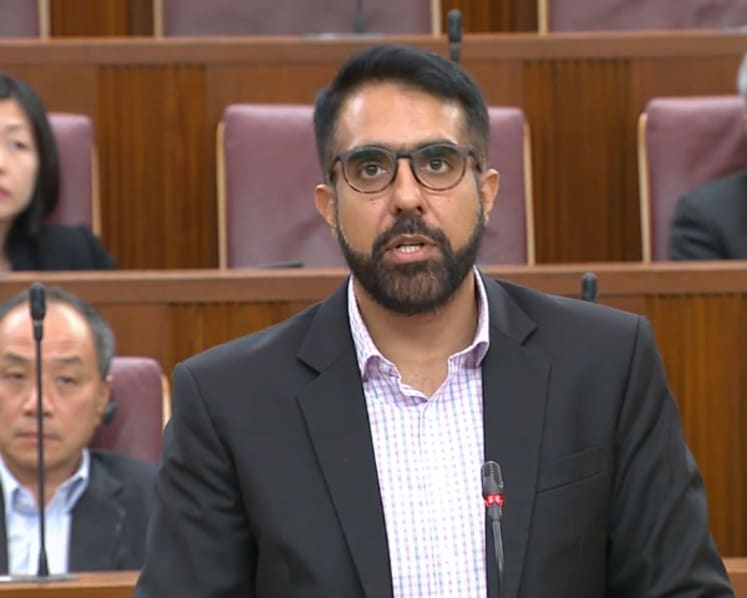
The government should not resign itself to the politics of majoritarianism when a sensitive or difficult subject comes along, said new Workers' Party chief Pritam Singh.


SINGAPORE – In his first Parliamentary speech as Workers’ Party chief on Monday (May 14), Mr Pritam Singh urged the ruling party’s fourth generation (4G) leadership to listen to the views of Singaporeans and share more information on the Government’s budget and the impact on cost of living here.
In the debate on the President’s address, Mr Singh said the ability and willingness to listen to people’s views can be “understated”, given the People’s Action Party’s five decades of uninterrupted rule.
But “alternative views will have to be addressed, accommodated and considered thoughtfully so as to allow us to move forward together as one Singapore”, he said. “What the government should not do is to close the door or resign itself to the politics of majoritarianism when a sensitive or difficult subject comes along.”
Noting that Singaporeans have “more than their fair share of good ideas,” he said the 4G leadership will have to spend more energy engaging and explaining.





“If the approach of 4G leaders is to ignore, silence or ridicule alternative ideas, they will fail to galvanise or spur on Singaporeans to greater heights. Or worse, it may even engender a divided society, rendering the message of the inclusivity hollow and without substance,” said Mr Singh, who took over the opposition party’s post of secretary-general from Mr Low Thia Khiang last month.
Given Singapore’s changing demographics, the new generation of leaders is also coming into power at a time when expenditures are rising, he said. Singapore’s finances, such as its current estimates and the underlying basis for projections of higher expenditure in the future, will have to be better explained.
“This information needs to be shared so that the public are clear-eyed about the sufficiency of the budget at the Government’s disposal to help Singaporeans with the cost of living today,” he said.
On the 30 per cent hike in price of water – for which the second round of increases will take effect from July – how do future capital investments in water supply and transmission cohere with the large capital reserves of national water agency PUB, questioned Mr Singh. The agency’s capital reserves have gone up from around S$3 billion in 2007 to more than S$5 billion in 2016, he added.
The cost of living is a topic the Workers’ Party believes deserves closer scrutiny by the Government for the remainder of the parliamentary term.
The Goods and Services Tax is set to increase from 7 to 9 per cent sometime between 2021 and 2025, Mr Singh noted.
Citing findings from a recent survey, he said the cost of living could deter couples from having more children, affecting the country’s total fertility rate.
With signs that public transport costs are also set to increase, he said some members of the public have correctly questioned whether there is scope to consider using revenue from other segments of train operator SMRT’s business to cover increasing costs from train operations. This could cushion the impact of any fare increases.
Given the Government’s overall budget surplus of S$15.7 billion in the first two years of its five-year term – after taking into account transfers to endowments and trust funds – Mr Singh said: “The picture for the immediate future does not appear to be one of a Government needing money to stay afloat or needing to tax the population, and as a result, raising the cost of living.”
He added: “The question of quantum of surpluses and prospect of alternate revenue streams in future surpluses of many government-linked companies and statutory boards to better cushion price hikes on Singaporeans needs to be looked at very closely and debated before prices go up.”
Sharing the details on these matters will also “represent the unique partnership with the people”, said Mr Singh.
“It would represent bold leadership, (and) such an approach would also come with an upshot. Price hikes are likely to be better understood and contextualised to the benefit of the policy discourse in Singapore.”




