







African school founded by Singapore-based couple seeking new donors, volunteers
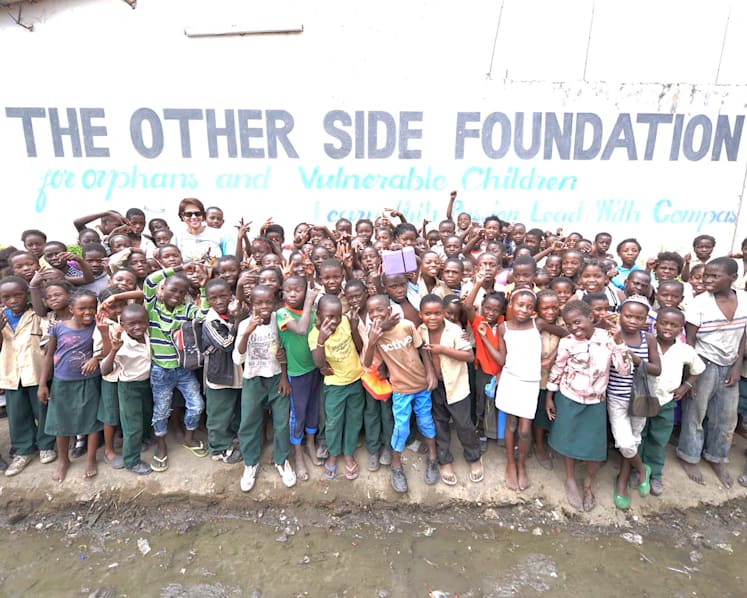
The Other Side Foundation was founded by Singapore-based retirees Leela Singaram Champ and her husband Denis Champ.
SINGAPORE — A Singaporean woman and her French husband have spent the last 12 years growing a school in Africa they founded from 50 to 500 students.
All this while living in Singapore.
Based in the Zambian capital of Lusaka, The Other Side Foundation was founded by Singapore-based retirees Leela Singaram Champ and her husband Denis Champ.
The Zambian-registered charity has been solely funded by their friend French businessman Daniel Sigaud since 2007. But Mr Sigaud is due to retire next year and can no longer commit to the funding.





With the school’s future now uncertain, the couple is looking for donors and volunteers to keep the school in the landlocked southern African nation running.
HOW IT BEGAN
Speaking to TODAY, Mrs Champ, 63, said that she had started off teaching 15 students on a bare floor of a wooden hut in Buseko, an impoverished area in Lusaka, in June 2006.
At that time, she and her husband, now 68, had retired and were volunteers with an American non-governmental organisation (NGO) the Power of Love Foundation that had set up a care centre for students with acquired immune deficiency syndrome (AIDS) in Zambia.
Mr Champ had learnt about the shantytown while driving through the area to meet the landlady of the NGO’s care centre. The landlady asked the couple if they could help the people in the area, who were living in makeshift tents of plastic sheets held up by poles.
“The landlady had suggested we set up an orphanage,” said Mrs Champ. “But I told her education would take the children a long way.”
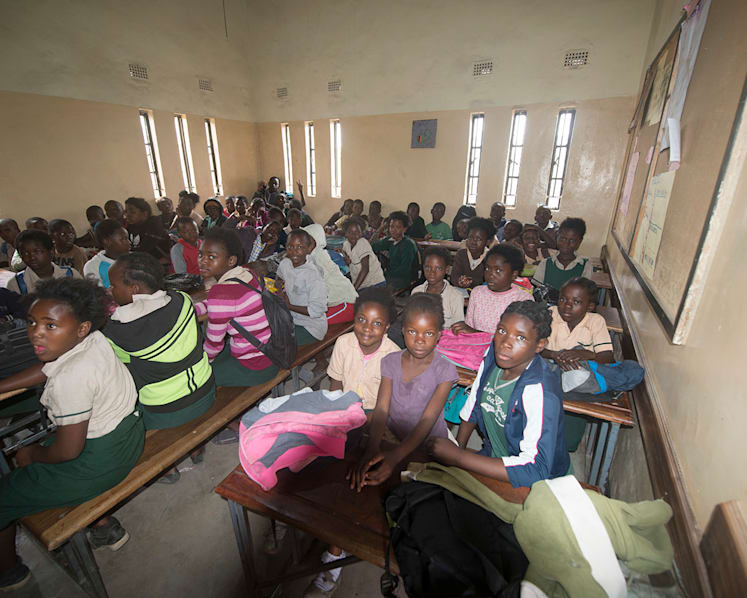
So with just several sheets of paper and marker pens, Mrs Champ, who had several teaching stints in Singapore and foreign schools, began to teach a few children on the floor of a church hut.
As word spread, even children who could afford government-run schools came to her.
By the end of that year, she was teaching close to 50 children.
“Parents started to send their kids (to us) because it was free and we were offering a certain standard of education that other community schools did not,” said Mrs Champ.
Determined to sustain their endeavor, the couple emailed people they knew to support their cause upon their return to Singapore at the end of 2006.
It was at that point when Mr Sigaud, whom they had not met in 11 years, responded to their email and offered to fund the school. Mr Champ got to know Mr Sigaud in the 1980s when they worked together in Nigeria.
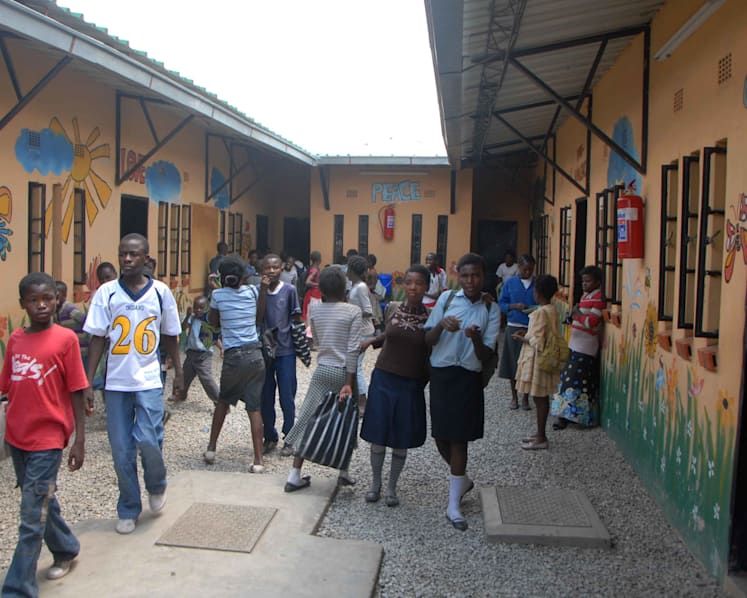
With his sponsorship, the couple set up a building consisting of seven classrooms in 2009. The school, which currently has seven teachers, offers free education to 500 students who study the Singapore equivalent standards of Primary 1 to Primary 6.
Beyond its students, The Other Side Foundation has also extended its help to the mothers and grandmothers of its students by offering them small loans to help set up small businesses such as selling peanuts. It also offers literacy courses to mothers of students to help them secure better-paying jobs.
To date, the school has been able to:
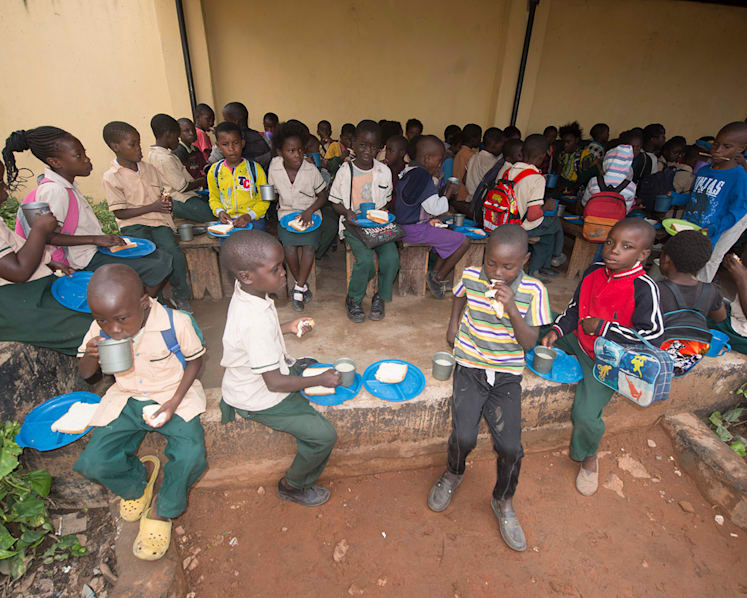
Provide over one million free meals to students
Provide full primary education to 5,200 children
Sponsor 430 of its students to government-run secondary schools
MANAGING A SCHOOL IN ZAMBIA FROM SINGAPORE
These achievements were mostly realised from the Champs’ home along Upper East Coast Road.
The couple flies to Zambia at least twice a year. Otherwise, all communication with the school staff occurs through WhatsApp. Each day, Mrs Champ texts the teachers with instructions on everything from what to post on the school’s Facebook page, to ensuring the school gets its daily delivery of bread.
“It’s just our physical presence that is not there. Other than that, every decision goes through us,” she said.
Mr Champ admitted that running the school remotely was a constant challenge.
“It’s like a sleeping volcano. You solve one problem and you think everything is settled. And then a new problem comes up.”
As if on cue, Mrs Champ received a text message during our interview — a teacher wanted to email a potential donor for funds.
Said Mrs Champ, “I have to look through the email for grammar mistakes and ensure that the content is correct.”
ALL HANDS ON DECK
Mrs Champ added that running a two-man show with her husband was “draining” and said that she hoped more volunteers could come forward to help in areas such as maintaining the foundation’s website and preparing monthly newsletters.
Explaining why they had not looked for more donors earlier, Mrs Champ said:
“When you go into something unaware, without any vision and started it out of goodwill, of course you will not have an investment model. It’s only after 10 years or so where we realise that we need one, and that’s just what it is.”
Mrs Champ said she hoped to find donors to cover its annual budget of US$90,000 (S$123,150). While 40 per cent of the budget goes towards the staff’s payroll, the couple themselves do not take a single cent.
When asked if she had a back-up plan for the school if no one steps forward, Mrs Champ said: “The future of this school is ambiguous. I don’t know what’s going to happen. Maybe donors will come, or they may not. We just have to see what happens from there.”




