







After years in the doldrums, productivity grew 4.5% in 2017
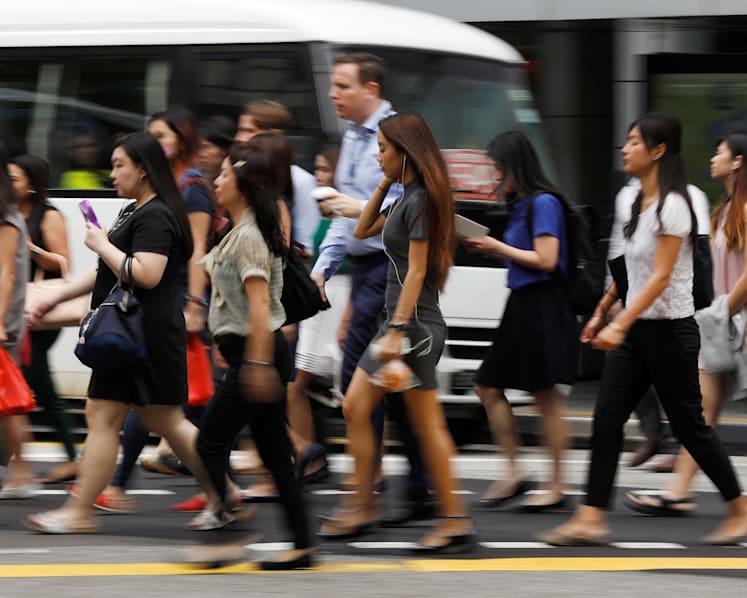
TODAY file photo


SINGAPORE - The Republic’s productivity grew 4.5 per cent last year, driven mainly by outward-oriented sectors such as manufacturing, wholesale and retail trade as well as finance and insurance, the Ministry of Trade and Industry (MTI) said on Wednesday (Feb 14) as it provided the final economic data for 2017.
Productivity also rose in the transportation and storage, business services and construction sectors, said MTI. In contrast, productivity fell in some services sectors such as information and communications as well as accommodation and food services. In comparison, productivity grew 1.8 per cent in 2016.
Manpower Minister Lim Swee Say had said last November that the Republic’s productivity is expected to grow by at least 3 per cent in 2017, hitting a seven year high, with “most, if not all” of the contributions to GDP coming from productivity gains. This came after several years of sluggish performance including protracted periods of zero growth.
At a media briefing on Wednesday, Mr Loh Khum Yean, Permanent Secretary for MTI, said the productivity performance last year was driven by a strong cyclical upturn in external demand.





Noting that some sectors continue to see weaker productivity growth, he said: “It’s an ongoing journey for us to take the structural steps and reforms needed to improve productivity especially for the domestically-oriented sectors.”
Mr Loh noted that raising productivity is among the objectives of the various industry transformation maps. “It is very much a work in progress and we hope to see productivity levels and growth for the domestically-oriented sectors improve in the years to come.”
On the productivity gains last year, DBS senior economist Irvin Seah said: “End of the day, Singapore is driven by external demand, if the global economy does well, so does Singapore.” CIMB economist Song Seng Wun added: “With more demand, the workers are naturally busier.”
Nevertheless, Maybank Kim Eng economist Lee Ju Ye said the spike last year was an “outlier”, due to a surge in manufacturing output.
Mr Seah and Ms Lee do not expect the productivity growth to be bettered this year, given that MTI expects economic growth to moderate. But it could still be higher than previous years. “It would likely come in close to 4 per cent or slightly less,” Mr Seah said.
If global demand holds up, Mr Song said the higher productivity could have a knock-on positive effect on wages. However, that prospect could be derailed by uneven productivity growth, he added.




