







Singaporean boy who recreated ISIS attacks, executions in Roblox and Gorebox gets restriction order
The boy is the third 14-year-old to be dealt with under the Internal Security Act for terrorism-related activities over the past two years.
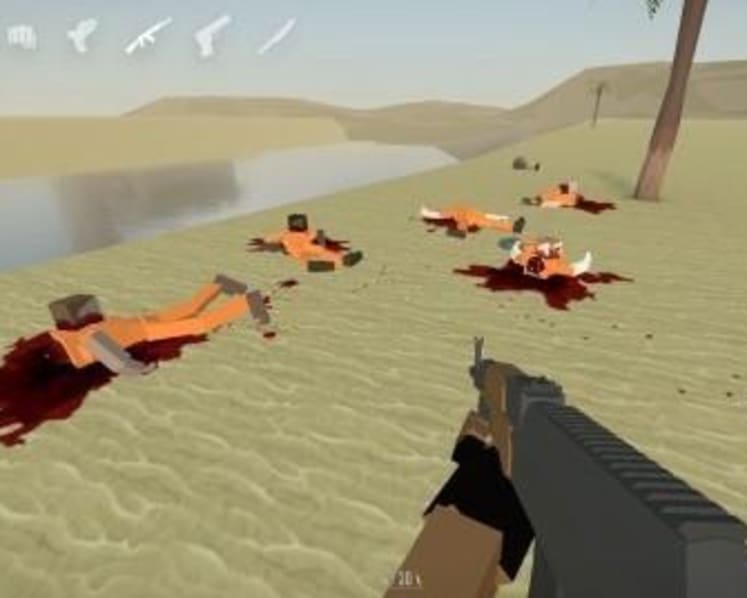
Screenshot of a 14-year-old boy's gameplay footage, where he recreated ISIS attacks and executions. (Image: Internal Security Department)

This audio is generated by an AI tool.


SINGAPORE: A 14-year-old Singaporean who was self-radicalised online by Islamic State in Iraq and Syria (ISIS) extremist ideologies was issued a restriction order under the Internal Security Act (ISA) in November.
The Secondary 3 student had aspired to travel overseas to fight for the group and die as a martyr, the Internal Security Department (ISD) said on Wednesday (Jan 28).
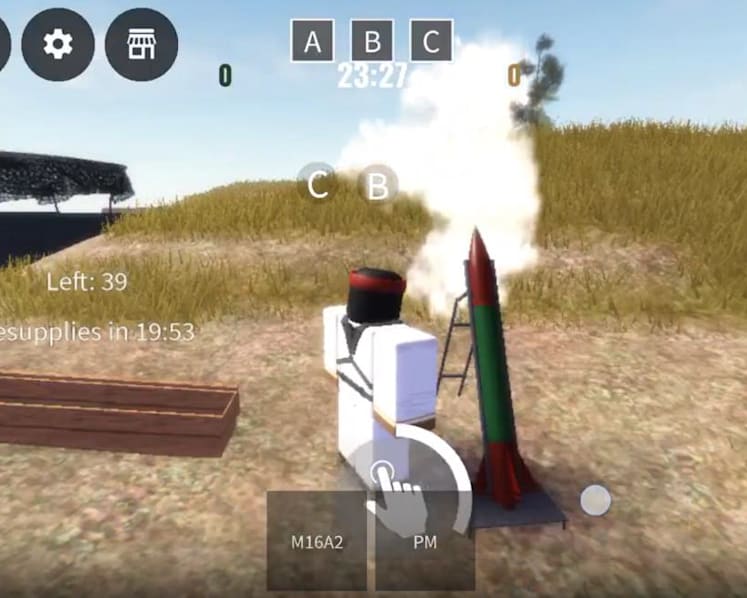
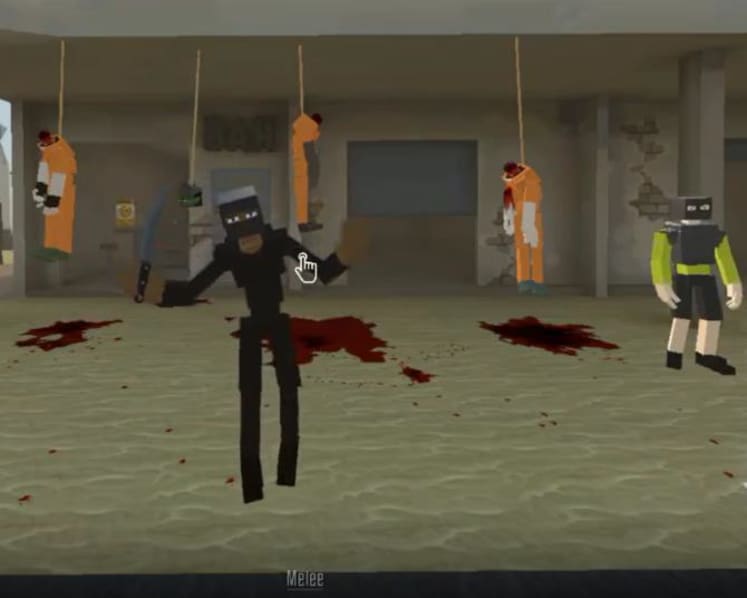
In preparation, he posted pro-ISIS content online, including footage from Roblox and Gorebox where he recreated ISIS attacks and executions.
Roblox is a user-driven gaming platform with millions of self-created games, while GoreBox is an online game that allows players to experiment with weapons and is known for its graphic depictions of violence.





While his family members and friends were aware of his extremist views and support for ISIS, none of them reported him to authorities, said ISD.
RECREATING VIOLENCE IN ONLINE GAMES
The youth was just 12 when he first encountered a video online of ISIS fighters battling American soldiers in Al-Fallujah, Iraq.
“After watching the video, he started to view ISIS as the defenders of the civilian population against American and Iraqi oppressors. As he searched for more information on ISIS, online algorithms pushed more ISIS-related videos to his social media feed,” ISD said.
After discovering a pro-ISIS website through social media, he spent around nine hours daily consuming extremist content, the agency said.
Sometime in late 2023 to early 2024, he had become a staunch supporter of ISIS and its cause to establish a global Islamic caliphate through violence.
He took a pledge of allegiance – known as bai’ah – to ISIS in June 2024 and considered himself a member of the group, posting pro-ISIS content on his social media accounts to showcase his support.
“This included pro-ISIS videos that he had created using footage from his online gameplay on Roblox and Gorebox,” ISD said.
“In these gaming platforms, he had recreated ISIS attacks and executions, and role-played as an ISIS fighter killing ‘disbelievers’ or enemies of ISIS.”
ASPIRED TO DIE AS MARTYR
While he felt he was too young to take up arms for ISIS, he aspired to travel to Syria, Afghanistan, Africa, Iraq or Bali in 10 years to fight for the group and die as a martyr on the battlefield, ISD said.
To prepare, he practised close-quarter battle simulations at home for up to two hours daily with a toy AK-47 rifle, role-playing as an ISIS fighter attacking the United States Army or Israel Defense Forces, whom he considered enemies of the group.
He also attempted to garner online support for ISIS and encourage others to engage in armed violence.
“To this end, he created new social media accounts on various platforms, where he would post at least one publicly accessible pro-ISIS video a day,” ISD said.
Some videos were created using material he found online, including images of ISIS fighters, battlefield footage and jihadist nasheeds, or songs.
Exposure to ISIS content also exacerbated his pre-existing hostility toward the lesbian, gay, bisexual, transgender or queer (LGBTQ) community. He believed members of the community should be killed after encountering material on an ISIS-inspired shooting at a gay nightclub in Orlando, Florida in June 2016.
“He had thoughts of participating in an attack against the LGBTQ community in Singapore using guns, should one be initiated by others. However, he did not develop his violent ideations further,” ISD said.
Beyond ISIS, the youth also supported Islamist terrorist groups including Al-Qaeda and Hamas. He idolised terrorist figures such as deceased Al-Qaeda leader Osama bin Laden, ideologue Anwar al-Awlaki, and the perpetrators of the 2002 Bali bombings, particularly Imam Samudra.
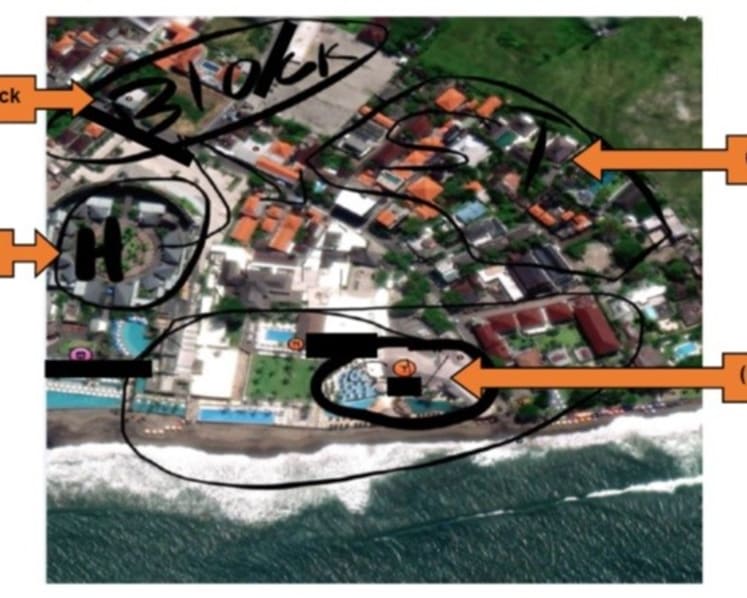
After learning about the Bali bombings from an online documentary in February 2024, he drafted a mock attack targeting a nightclub in Bali using a map downloaded online.
However, the youth did not develop these ideations further nor make any attack preparations, ISD said.
LOVED ONES AWARE BUT DIDN’T REPORT
The youth intentionally concealed his online activities to evade detection, aware that his support for ISIS was unlawful, ISD said.
“Nonetheless, he shared his support for ISIS with his family members and a few of his schoolmates. While several of them attempted to dissuade him, he did not heed their advice. None of them reported him to the authorities,” the agency said.
ISD noted that the majority of youths investigated for radicalisation in recent years had displayed early warning signs to family and friends, such as expressing support for terrorist groups and violence.
It urged the public to seek help from authorities early if they suspect that someone close to them might be radicalised.
Potential signs of radicalisation include displaying symbols of extremist and terrorist groups, such as using the ISIS flag as a social media photo; frequently surfing radical websites; and sharing extremist views online and with friends and relatives.
UPDATE ON PREVIOUS CASES
ISD also announced on Wednesday the release of an 18-year-old Singaporean from detention, issuing him a suspension direction under the ISA last month. Aged 15 when detained in December 2022, he was an Al-Qaeda and ISIS supporter who had considered conducting attacks against non-Muslims in Singapore.
During three years in detention, the youth underwent intensive rehabilitation, including religious counselling from the Religious Rehabilitation Group (RRG) and psychological support from ISD to address his extremist beliefs and permissive attitudes toward violence.
He also continued his education while detained, sitting for the GCE N(A)-Level and O-Level examinations and performing in the top 20 per cent of his school cohort.
“The youth has been receptive to these efforts. He no longer holds extremist beliefs nor any animosity towards non-Muslims, and has rejected the use of violence,” ISD said.
Meanwhile, restriction orders for three Singaporeans were allowed to lapse upon expiry, as they had made good progress in rehabilitation and no longer require close supervision, ISD said.
The three are: Maksham Mohd Shah, 44, who had planned to engage in armed violence overseas and was detained in December 2007; Mohamed Khalim Jaffar, 63, a former Jemaah Islamiyah member detained in January 2002; and a self-radicalised Singaporean detained at age 17 in January 2020.




