







Challenge of maintaining social mobility defies easy solutions: Tharman
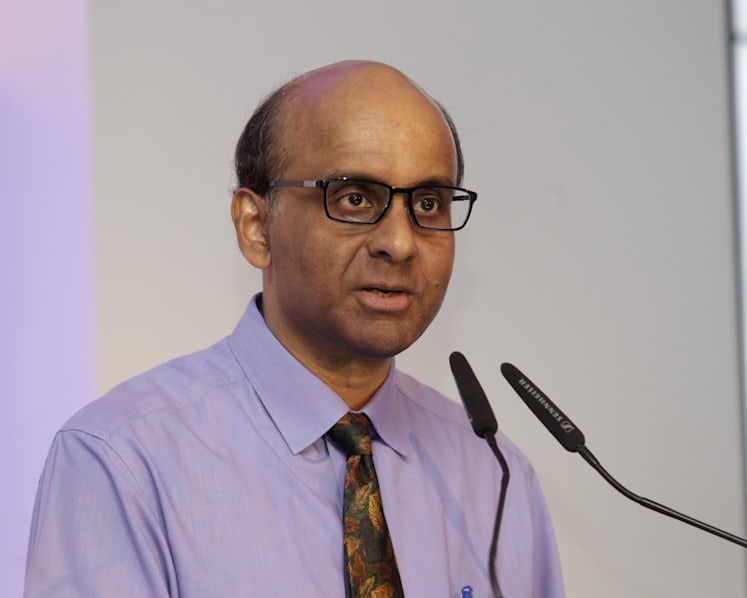
Tharman Shanmugaratnam. TODAY file photo


SINGAPORE — In the face of social forces that are complicating solutions for the challenge of social mobility, Singapore’s strategy is developing human potential and building inclusive neighbourhoods, said Deputy Prime Minister Tharman Shanmugaratnam yesterday.
Speaking at an international sociological conference held at the National University of Singapore, he expounded on Singapore’s education system, early intervention attempts and public housing policies, and called for humility in tackling the challenge of social mobility, which has defied easy solutions.
Mr Tharman said besides income inequality, there are more complex social forces at play that are widening the distance between different social groups in many countries. He cited parenting styles, school performance, health outcomes and neighbourhoods segregated by race and income. Many of these shifts have taken place over long periods of time but are now in sharper focus, he noted.
In the United States for example, a much larger proportion of men with university degrees are marrying women with degrees, compared to decades ago. College-educated parents now spend significantly more time with their children — reading, playing, taking them to parks and museums — than parents who did not go to college. And a widening gap in family structures can be seen in the sharp increase in births outside of marriage by women with high-school education or less in the US, when this rate involving college-educated women has remained constant.





These and other shifts have created a sense of unease and loss of social trust, said Mr Tharman to an audience of about 250 scholars from over 30 countries at the International Sociological Association Research Committee 28 (Social Stratification and Mobility) Conference. Social mobility in Singapore is significantly higher than in many advanced societies but it will face the “same stickiness at the top” and at the bottom, as those who have done well find ways to retain advantages and as disadvantages get passed on to another generation, he said. Singapore must do its utmost to preserve an inclusive society, he added.
Mr Tharman called for innovative early intervention and learning from small-scale pilot projects. When it comes to schools, Singapore does central recruitment and training, spreads good teachers across the system and ensures teachers’ subject-matter expertise.
Singapore is also enabling differentiated learning within the public school system while allowing students to have a common school experience, he said. It is broadening the ways it measures students at the end of primary school, reducing emphasis on exams in the early primary years, and broadening the ways secondary schools and tertiary institutions select their students.
Calling it an extremely important reform, Mr Tharman said Singapore wants to keep the basic strands of meritocracy that are fair to those who have started well in life as well as to those who started off with less but have put in the effort and done well. But the concept of meritocracy has to be broadened to recognise a wider range of skills and talents that make a difference in life, he said.
Mr Tharman also spoke about how Singapore’s housing policies — such as public housing ethnic quotas and estate rejuvenation — have enabled integrated neighbourhoods where “everyone has enjoyed roughly the same rate of home price appreciation, from those in smallest flats to the upper-middle income group, and in fact including private property”. This has prevented a gulf in wealth accumulation within the population, he said.
Even as an “activist state” is needed to intervene, “we need some humility”, Mr Tharman said. “We must recognise that this is a challenge that has defied easy solution. Lots of interventions, in a whole range of societies over the last 50 years, but with very limited success. And some unintended results – unintended changes in social values and habits that now make the problems more intractable. So we need some humility in this whole endeavour.”




