







En bloc sales framework under review by government
Under the existing framework, the collective sale threshold is 80 per cent majority consent for developments 10 years and older, and 90 per cent for those under 10.
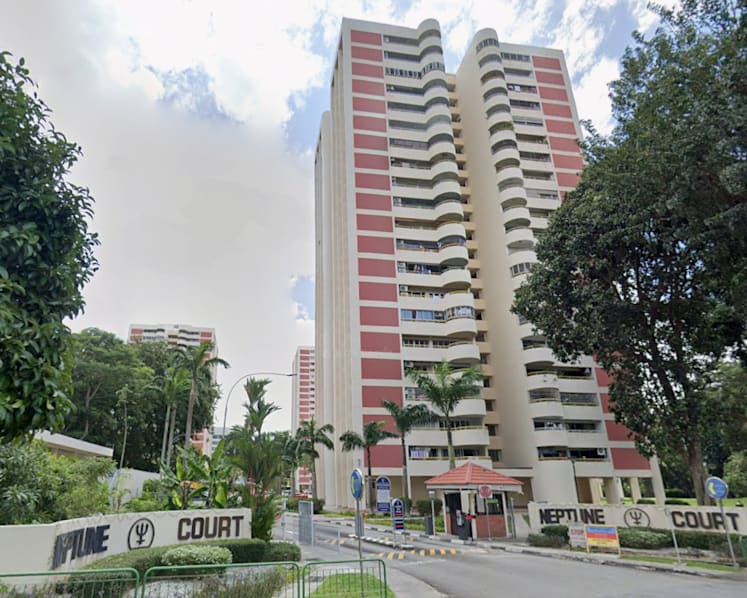
Neptune Court condominium complex. (Image: Google Street View)

This audio is generated by an AI tool.
SINGAPORE: There could be changes to the en bloc sales regime, which includes the threshold for consent in order for a collective sale to go through, amid a review of the policies and regulations under the Land Titles (Strata) Act.
The Ministry of Law (MinLaw) said on Thursday (Nov 20) that a review is underway, with any changes to be announced when ready.
This comes after a Nov 2 letter circulating online - from the Neptune Court Owners' Association - claimed that the government will lower the threshold for privatisation and collective sale sometime next year.
In response to CNA's queries, MinLaw said that while it could not provide a specific timeline for any policy changes, "proposals for reform will be announced when they are ready".





The ministry added that it regularly engages a wide range of stakeholders, including property owners, developers, property consultants, industry associations, conveyancing lawyers and academics, to seek and consider their views, and feedback is "considered carefully".
A collective sale requires the support of a majority of owners. For developments under 10 years old, at least 90 per cent of owners must agree, while 80 per cent must agree for developments 10 years or older.
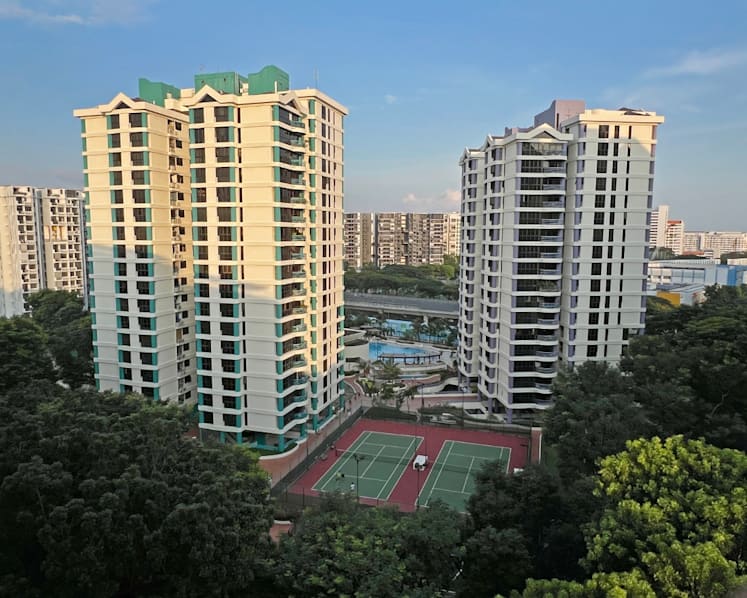
Neptune Court, which is located at Marine Vista just off Marine Parade Road, was built in 1975 by the Singapore government as a housing benefit for civil servants and public officers.
While the 752 units within Neptune Court are held by individual owners, the land and common areas are owned by the Ministry of Finance (MOF).
Around 2010, some residents raised the idea of privatising Neptune Court with unit owners collectively buying the land and common areas from MOF, with the hope of a future en bloc sale of the development.
Financial news outlet The Edge reported that this was the owners’ second attempt at privatisation, following an earlier effort in 2007 when they tried to purchase the large open car park from MOF to enable a collective sale of the entire estate.
However, disagreements later broke out among different groups of residents over issues related to the proposed privatisation of Neptune Court, according to a 2017 court judgment. A lawsuit was filed over the alleged use of association funds by four owners to finance defamation proceedings brought against several other members of the association.
The Neptune Court Owners' Association also said in its letter that the pro-privatisation committee would consult its legal adviser to prepare for an Extraordinary General Meeting (EOGM) for discuss a potential collective sale.
The pro-privatisation committee also wrote in its letter that it had secured the votes of 29 per cent of the estate's 752 units to elect a collective sale committee, surpassing the 25 per cent under current Land Titles (Strata) Act guidelines, and it would ramp up efforts to garner more support in the coming weeks.
In 2017, Singapore saw robust sales in the en-bloc market with 31 deals totalling S$8.5 billion, while there were 36 deals amounting to S$10.3 billion in 2018.
However, recent years have seen a significant decline and stagnation in collective sales activity. Several condominium en bloc attempts have failed as property market sentiment weakened, partly due to the government’s cooling measures introduced in recent years.
THRESHOLD ADJUSTMENT A "TIMELY LIFT"
One analyst said any move to adjust the threshold could give the collective sale market a "timely lift".
Collective sales have tapered off in recent years, said Mr Low Choon Sin, managing partner of capital markets at SRI, adding that any threshold adjustment would complement the ramp-up in government land sales supply, with both new land parcels and rejuvenated private sites adding to the overall housing stock.
Mr Low believes the review aims to ensure that the collective sale framework remains fair and relevant for today’s housing landscape.
"Many older developments are approaching a stage where significant repairs or redevelopment may be needed, he said.
"The cost of repairs, maintenance and replacement has been on a rising trend in recent years, especially since post-COVID."
Mr Lee Sze Teck, senior director of data analytics at Huttons, said a loosening of the policy may not necessarily lead to more successful en bloc sales as the asking price would still be key.
He also suggested that the 90 per cent approval threshold for developments under 10 years old should be kept.




