







‘Cooling off’ period for those considering aesthetic treatments
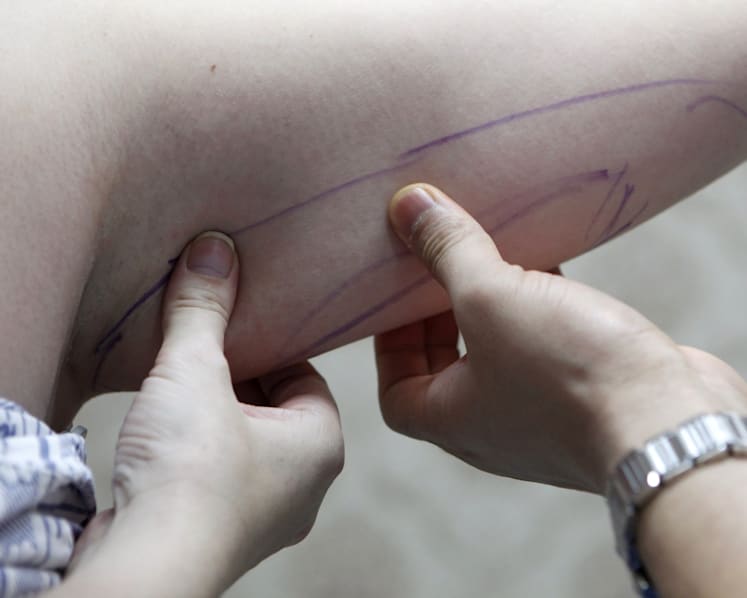
There is a 7-day ‘cooling off’ period for liposuction since the Health Ministry tightened rules in 2011. Photo: Reuters
SINGAPORE — Doctors who offer aesthetic treatments are now subject to more stringent guidelines by the Singapore Medical Council (SMC), which require them to disclose a wider range of risks than those in conventional medicine, and allow a “cooling off” period between patients giving consent and the treatment itself.
Stressing that aesthetic treatments are optional unlike other “medically necessary” procedures, the SMC’s updated medical ethics guidelines hold practitioners accountable for advising prospective patients of side effects and adverse outcomes, “beyond those that are more common”.
For example, while wound infections or delayed healing may be relatively uncommon in eyelid reconstruction procedures, such complications must be told to patients because “when it happens, it is devastating to the patients, who came to improve their appearance in the first place”, said the SMC in a separate handbook elaborating on the Ethical Code And Ethical Guidelines for medical practitioners, released on Wednesday (Sept 14).
A “reasonable ‘cooling off’ period” must also be in place for the “more invasive and surgical” procedures to give patients time to consider their decisions.





The recommended duration of each “cooling off” period will vary from about one to three days for less invasive procedures, to up to 10 days for procedures requiring deep sedation or general anaesthesia, the handbook stated.
A seven-day “cooling off” period is already mandatory for liposuction, after the Health Ministry tightened rules for the invasive cosmetic procedure in 2011.
In addition, doctors who engage in aesthetic practice cannot perform such procedures on minors or individuals with diminished mental capacity, without independent professional assessments that such procedures are truly in their best interests.
In the handbook, the SMC noted that some parents offer aesthetic procedures to their children as “coming-of-age presents” or rewards for academic performance.
“Since aesthetic procedures cure no illnesses and are always elective, parents’ consent to such procedures to be done on their children cannot be taken at face value. Children may be immature in their self-image or may be influenced by teasing and taunts from their friends about their physical characteristics. They may not be able to understand that aesthetic procedures may not solve their problems,” it added.
Noting that patients who seek aesthetic procedures may be “more vulnerable” than others, the SMC also warns practitioners not to exploit patients’ insecurities about self-esteem.
For instance, advertisements for aesthetic procedures should contain “objective and comprehensive information” about the procedures and outcomes rather than play on the public’s vulnerabilities and perceptions of body image.
Doctors who offer aesthetic treatments are also responsible for ensuring that they are licensed to do so, and the treatments are effective and safe, the council said.




