







'Demand-side' funding such as SkillsFuture Credit has downsides: Ong Ye Kung
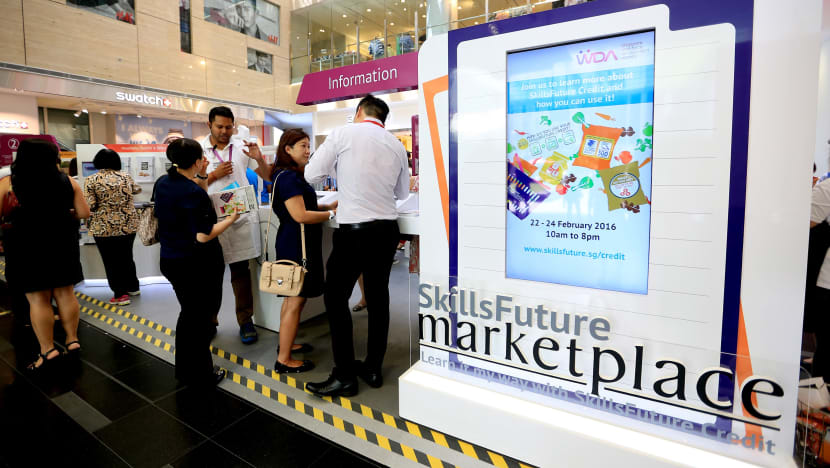
TODAY file photo
SINGAPORE — While there have been calls to increase funding for individuals to tap learning initiatives, such as a top-up on SkillsFuture Credits, the Government’s current approach of funding training providers is more prudent and better aligned to growth strategies, said Education Minister (Higher Education and Skills) Ong Ye Kung said in Parliament yesterday.
Addressing the house during the debate on the Education Ministry’s (MOE) budget on Tuesday (March 7), Mr Ong said the current approach of leaning towards supply-side funding — funding training providers to lower cost fees for Singaporeans — has worked well.
Supply-side funding, said Mr Ong, allows the Government to have better control in funding courses relevant to industries and growth areas, although this is less visible to the public.
On the other hand, demand-side funding is “very visible, and people do get excited”, noted Mr Ong. “The downside to that (is) if done across the board, like SkillsFuture Credit, it is expensive…and we have little control on how people will spend the grant,” he said.





He added: “What people spend on may not be entirely aligned with our industry and growth strategies.” The Government spends about S$400 million a year on supply-side funding, compared to S$37 million to fund SkillsFuture Credit last year.
During the debate, Members of Parliament (MPs) among them Mr Low Thia Khiang (Aljunied GRC), Ms Cheng Li Hui (Tampines GRC), and Non-Constiuency MP Daniel Goh had suggested a range of funding for Singaporeans wanting to take up such courses.
Mr Low asked if there was scope for the establishment of a SkillsFuture education loan, for persons who may not be able to afford paying for certain courses, pointing out that the CPF Education Scheme may not be fully adequate as the fees may place a strain on existing CPF amounts.
Assoc Prof Goh, meanwhile, proposed the starting of a “SkillsFuture Mommy Award” to help fund mothers on maternity leave to go on training, thereby helping them remain relevant to their respective industries.
While he agreed with the need to help certain groups such as vulnerable workers or mothers take up courses, Mr Ong said that the Government would prefer to do it through supply-side measures.
He also pointed to the large number of heavily-subsidised courses available, with part-time diplomas being funded up to 85 per cent, and short courses, up to 90 per cent.
Noting that help can “also be generic”, Mr Ong gave the example of how a woman heading back to work might need help beyond just support for course fees, but also in areas like career coaching and job placement support.
To that end, the minister pointed at intermediaries like the Community Development Councils and the Employment and Employability Insititute to help on the supply side, including additional funding support to facilitate job search and placement.




