







ElderShield proposals widen insurance risk pool
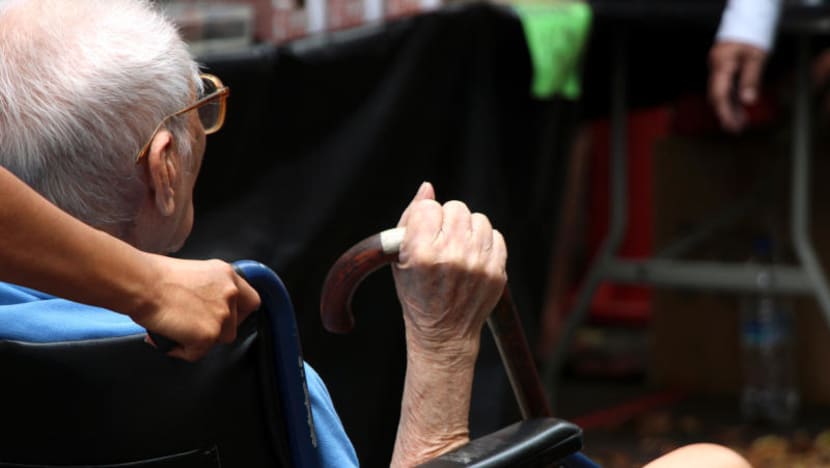
TODAY file photo


SINGAPORE — Weighing in on the recommendations put up by a committee to review the ElderShield scheme, healthcare financing experts said on Tuesday (Jan 30) making the scheme compulsory and lowering the registration age from 40 to 30 will shift society’s financial burden of ageing to the younger generation.
They added that for the man in the street, these moves could drive home the idea of risk pooling — getting large numbers of people to pay for high-risk individuals, even as some Singaporeans whom TODAY spoke to questioned the rationale of the proposals since they are unlikely to require payouts at a young age.
Dr Jeremy Lim, who heads the Health and Life Sciences Practice in Asia at global consultancy Oliver Wyman, said: “The primary intent of lowering the inclusion age is not so much to cover people from age 30, but to have an additional 10 years to bring in premiums. This is important if we want to cover everyone.”
While younger Singaporeans may not appreciate the concept of pooling risk across a larger community, it is “necessary”, said Dr Lim.





Given that premiums are likely to increase with age even with universal coverage, younger Singaporeans can expect to pay less when they are brought onboard the scheme, said insurance economist Joelle Fong.
“The ElderShield is designed to be an inexpensive, bare-bones severe disability insurance scheme for everyone. Consequently, wide coverage is important and this is now achieved to some extent by making it universal and more inclusive,” said Assistant Professor Fong, who is based in the Lee Kuan Yew School of Public Policy. “Of course, to have a meaningful scheme, monthly payouts should also be adequate,” she added.
While the experts had refrained from speculating on the structure of premiums and payouts under the enhanced scheme, Institute of Policy Studies senior research fellow Christopher Gee said lowering the age of inclusion will likely “smooth out premiums”, so as to mitigate a significant rise in the quantum of total premiums which policyholders have to pay until they are 65.
Associate Professor Angelique Chan from the Duke-NUS Medical School said: “As a country, we need to start thinking about supporting one another across generations.”
Assoc Prof Chan, who is the executive director of the school’s Centre for Ageing Research & Education, also suggested reviewing ElderShield’s coverage plans to include cognitive conditions, such as dementia.
“Dementia is going to be a major issue (for Singaporeans) in the next 10 to 15 years, and we need have some way of supporting people with dementia and their caregivers,” she said.
Still, some members of the public felt that lowering registration age to 30 was “too early”.
“The probability of someone being assessed to be eligible for payouts in this age group is super low… And what are the reasons for not letting people opt out,” asked social service worker Samuel Yuan, 32.
Not being able to opt out is a “big problem”, said a legal professional who wanted only to be known as Mr Lim.
“Considering younger folks may have other sources of insurance, and disability is not something that everyone will cover for voluntarily… I also don’t like the prospect of costs of premiums going up, overall,” said the 33-year-old, referring to the committee’s view that cost of premiums and payouts are likely to go up.
However, Ms Lorraine Lim, 34, felt that universal coverage would be helpful for Singaporeans who underestimate their risks of suffering from disabilities.
“If it is something that is compulsory, at least people have something to fall back on, even if they don’t see (disability) as a possibility now,” said Ms Lim, who works in the financial industry.
Spreading premiums and risk over a larger pool of policyholders is logical, she reiterated. “It’s kind of like how income tax works, where the higher income pays more for benefits for those with lower income… Anyway, the young will grow old and then benefit (from) higher payouts later too,” she said.
Lawyer Tan Shen Kiat, 31, also welcomed the proposed universal coverage, as he “(does) not mind contributing” to the pool. But he said the government should provide projections of how many people will likely benefit from the enhanced ElderShield scheme, for example.
He added: “Universal coverage, including those with pre-existing conditions, and getting the population to share the costs to spread equity are good objectives, but the devil lies in the details.”




