







Flick your wrist and pay for rides with Ezlink fitness bands
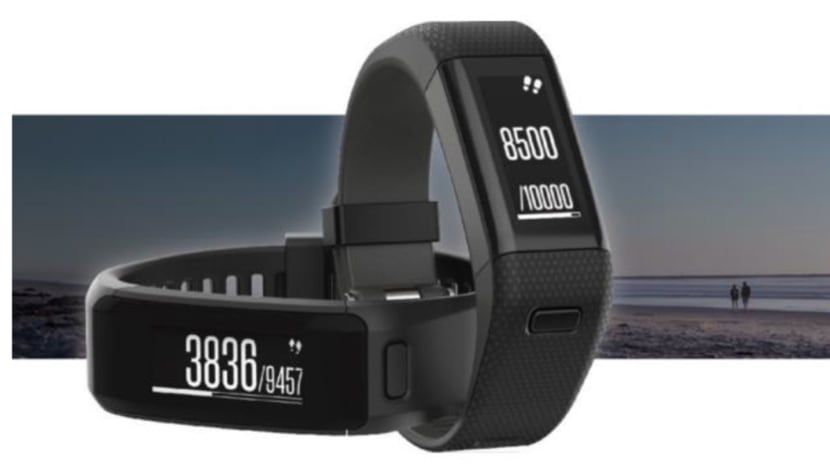
Garmin vívosmart HR with EZ-Link smartwatch. Photo: EZ-Link
SINGAPORE — Fitness-tracker devices have been added to the range of contactless payment options for bus and train rides — after credit cards and mobile phones — with two new products launched on Thursday (Jan 19).
And EZ-Link is keen to explore the use of other wearables — from fashion to health — that will let commuters tap in and out of rides, obviating the need for commuters to carry around their EZ-Link cards, though analysts say it remains to be seen if commuters will bite.
EZ-Link announced its venture into wearable products on Thursday, with two firms onboard making fitness bands that incorporate the EZ-Link chip.





The Batman v Superman Fitness Tracker X EZ-Link device, by Chinese digital security company Watchdata, will be available at EZ-Link’s online store from Jan 24, at 11am. It will retail at S$42.80.
The Garmin vivosmart HR with EZ-Link smartwatch will be available at major retailers in Singapore from end-March at S$259. Both are smart devices that can track one’s health and fitness by monitoring daily activities.
To pay for rides, commuters with the fitness trackers need to tap the devices on the readers. Like EZ-Link cards, the stored value in these devices can be topped up at the usual top-up points found islandwide.
The launch comes on the back of similar initiatives last year. One is a Land Transport Authority (LTA) partnership with Mastercard to pilot the use of Mastercard credit and debit cards to pay for commutes. Another tie-up sees selected Android smartphone users with a Near Field Communication (NFC) SIM card paying for their commutes by tapping their smartphones on readers.
EZ-Link said response to the earlier initiatives “has been encouraging”, without elaborating.
Associate Professor Ang Swee Hoon at the National University of Singapore Business School noted that the trend now is to go “hands-free” and the new devices may draw a select group of consumers.
But others may shun it because of habit or lack of support infrastructure, such as those who are less tech savvy and the elderly, or those who “do not trust such options (and) fear that there may be financial errors incurred” in payment, said Assoc Prof Ang, whose research interests include consumer behaviour.
SIM University senior lecturer Walter Theseira said the adoption rate of such a device would depend on “on the marginal costs of a device with EZ-link functionality”, compared with a similar device without.
For example, smartphones enabled with NFC payment technology have almost no marginal cost difference, because nearly all phones in the higher-end range in the market have the necessary software and hardware. “For the fitness-tracker market, where there are many different brands of trackers on the market, adoption might be very slow if the functionality is presently limited only to a few models and if those models cost more,” he said.
Mr Wilson Koh, a sales manager who currently already owns a fitness-tracker device, said that while the added convenience was “a step in the right direction”, it was not worth spending the extra money. “If there was an option to have it as an add-on to my current device, then it would be more appealing (to me).”




