







House dust mites go to mattresses in droves: Study
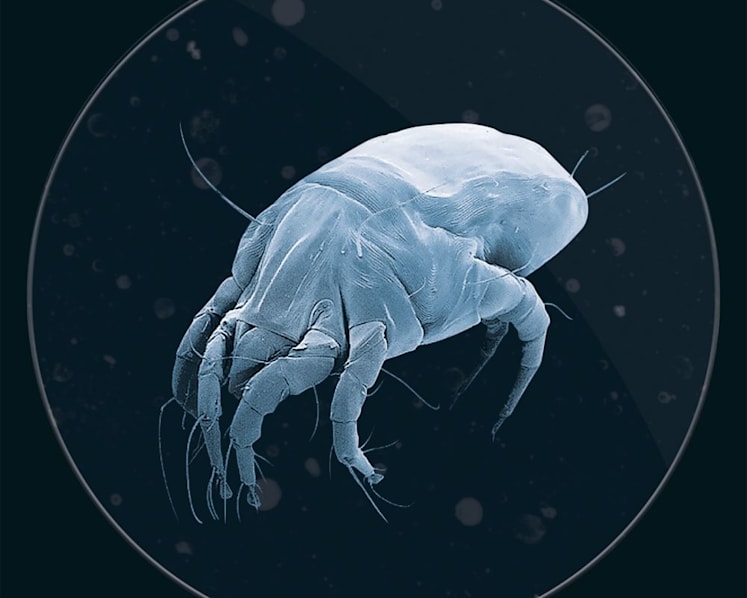
A dust mite. Photo: Dyson
SINGAPORE — The highest concentrations of dust mites in homes are found in mattresses, a small-scale study conducted by home appliances manufacturer Dyson and the National University of Singapore (NUS) has shown.
The study, which covered 27 homes here, also found beds to be a haven for mould, bacteria and allergens, which are substances that cause allergic reactions. The average mattress had 3,000 colony forming units (cfu) of mould per gram of dust. A single mould can produce 40 or more proteins that can cause allergies; symptoms include sneezing, nasal congestion and itchy or watery eyes.
The highest concentration of mould found in a home was 9,300 cfu/g, higher than the concentration of 5,000 cfu/g for which a higher chance exists of triggering allergic reactions.
Samples from homes were taken last month and were tested in a microbiology lab at NUS. Dust was collected from the floor, mattresses, shelves, wardrobes, television sets and skirting boards of the homes.





All homes in the study contained detectable levels of allergens — house dust mites in particular. The commonly found species were the European house dust mite, the American house dust mite and the tropical house dust mite. These mite species are found almost all over the world and tropical zones tend to feature a more diverse ecosystem than temperate zones.
According to Dyson, droppings from dust mites can also cause an allergic response as they contain highly allergenic proteins that may trigger asthmatic symptoms or other allergic conditions.
More disturbingly, some homes had allergens from dogs, cats, cockroaches and mice. Dog and cat allergens were found to be widely distributed despite few households with pets, while detectable levels of cockroach allergen were found in nine of the homes sampled. Ten per cent of the homes showed traces of mouse allergens.
Dyson said it hoped to educate people on the content of household dust and provide insight into maintaining a healthy living environment through the study.
Regular cleaning and frequent ventilation are important to tackle the problem, it said.




