







Keep debate speeches ‘short, sharp’ for effective sittings, MPs told
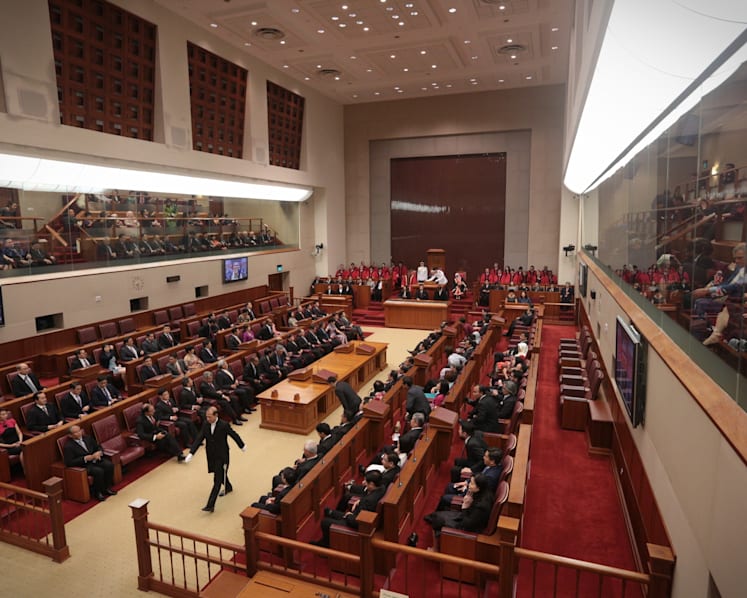
TODAY File Photo


SINGAPORE — Compared to previous terms of Government, Parliament sittings are getting longer — with Members of Parliament (MPs) staying behind until 10pm at a sitting last month, Leader of the House Grace Fu noted on Monday (May 8) as she urged lawmakers to “participate vigorously in debates by all means, but keep your speeches short, sharp and to the point”.
As recommendations to improve parliamentary proceedings were passed on Monday, Ms Fu told the House that the average sitting duration for the 13th Parliament under the present term of Government was six hours and 23 minutes, compared to five hours and 40 minutes for the 12th Parliament, and five hours and eight minutes for the 11th Parliament.
“These increases and the absolute numbers are not, in themselves, a matter for serious concern.
“We have more Members now, and more complex issues facing the country. It is natural that we have been sitting longer. To some extent, we can sit longer if need be... But in overall terms, I would prefer to have a focused, meaningful sitting... this would be more beneficial for the quality of debate,” Ms Fu said.





A handful of MPs rose to speak about the changes to Parliament’s Standing Orders, which the Government had agreed to.
Among other things, MPs will have more time to mull over new legislation, as the minimum interval between the introduction of a legislation and the subsequent debate in the Second Reading will be increased from seven to 10 working days. The notice period for amendments will also be doubled to four working days.
Parliament can also consider petitions alongside legislative changes, instead of waiting for them to be considered by the Public Petitions Committee and running the risk of them becoming moot after the Bill or Motion has been passed.
The 10-member Standing Orders Committee include Speaker of Parliament Halimah Yacob, Ms Fu, government whip Chan Chun Sing, Tampines GRC MP Desmond Choo and Hougang MP Png Eng Huat, who is from the opposition Workers’ Party (WP).
During the debate, WP’s Aljunied GRC MP Pritam Singh asked about the priority given to questions which can be answered during subsequent sittings, because of a lack of time.
He cited how he had to wait a long time for the reply to a question which he tabled last year on details of a probe by the Competition Commission of Singapore on lift contractor E M Services.
Ms Fu said in response the Speaker of Parliament makes the final call on the order of questions, and there was “no rocket science” to deciding on the line-up. “If there are lots of questions on a topic... If a question concerns a topical issue, it gets put in front. A balance is struck between questions from all sides of the House,” she said.
Among the suggestions which the committee did not take up was for Government Bills to be introduced together with Ministerial Statements. Ms Fu explained that if this recommendation was taken up, any clarifications that may be sought by MPs on the statements and the Minister’s subsequent responses “may pre-empt the Second Reading debate”.
Nevertheless, Ms Fu noted that there are several ways which MPs can seek more information on the Bills, including reading the Explanatory Statement which the Attorney-General’s Chambers (AGC) will write “in plain English and in an accessible way” as far as possible. Plans are also on the cards for the AGC to publish tracked changes to the Bills on an existing portal for MPs in July.
Ms Fu stressed that robust debate in Parliament must culminate in decisive action, and this requires MPs from both sides of the House to pull their weight.
“On policy and politics, we may well disagree and disagree sharply. After all, the very purpose of this House is to be an arena for a contest of hearts and minds.
“But as MPs, we also share a common duty to maintain the standing of Parliament as an effective and efficient institution,” she said.




