







Dinesh Singh Dhillon to step aside as new Law Society president following concerns about his appointment
In a consent resolution document from a meeting on Dec 17, the Law Society of Singapore's council said that Mr Dhillon agreed to step aside as LawSoc president in 2026 “in the interest of preserving unity” for the Bar and its “legitimate concerns”.
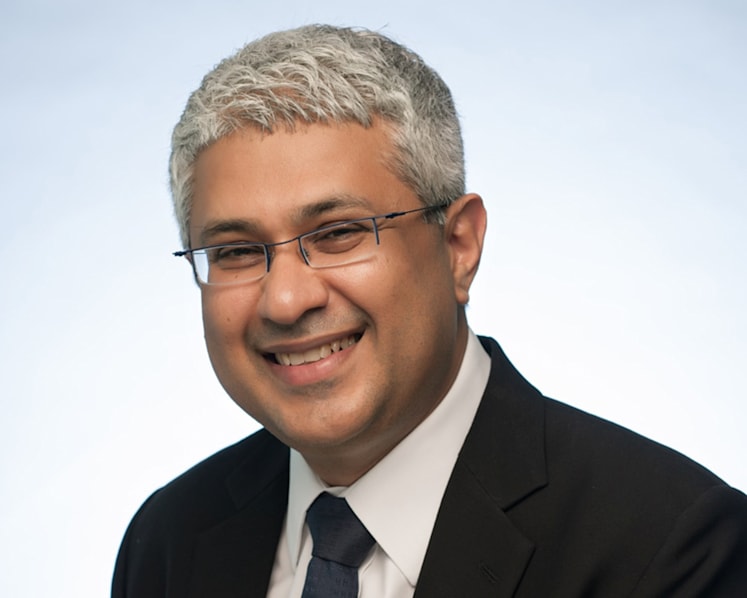
Mr Dinesh Singh Dhillon is the co-head of international arbitration practice at Allen and Gledhill. (Photo: Allen and Gledhill)

This audio is generated by an AI tool.


SINGAPORE: The incoming president of the Law Society of Singapore (LawSoc) Dinesh Singh Dhillon will not be taking up the role following a meeting with members on Wednesday (Dec 17) amid concerns over his election and the independence of the Bar.
Professor Tan Cheng Han, who is a senior consultant at Wong Partnership, will be reconstituted as LawSoc president next year, according to a consent resolution document from Wednesday’s meeting that was circulated online and verified by CNA.
Mr Dhillon, the co-head of international arbitration practice at Allen and Gledhill, will be endorsed as vice-president.
Mr Dhillon was elected by the majority of the 21-member Law Society council in November as the 30th president of the professional body for lawyers, slated to take over in 2026.





However, a group of lawyers had called for an extraordinary general meeting on Dec 22 to discuss the issue of the election of a non-elected member of the LawSoc council as the president.
They initially proposed a resolution that the council ought to elect a president who was elected into the council by the members of LawSoc.
In the document, Mr Dhillon agreed to step aside as LawSoc president in 2026 “in the interest of preserving unity” for the Bar and its “legitimate concerns”.
There was no issue as to the independence or competence of Mr Dhillon as the LawSoc president, and that he had contested for the position "in good faith and of his own desire" in an effort to contribute to the Bar, the document read.
It was also acknowledged that Mr Dhillon was elected as president by the LawSoc council in accordance with established procedure and law.
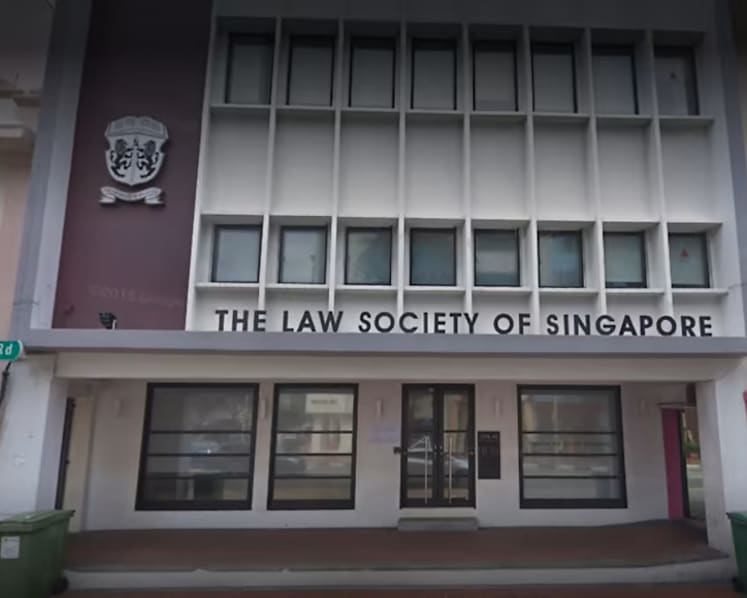
All motions and resolutions previously proposed for the Dec 22 extraordinary general meeting have been withdrawn "with the consent of all", the document stated.
According to the document, the council will also circulate proposed eligibility criteria for office bearer positions within two months of taking office to all LawSoc members.
They will have at least six weeks to review and provide feedback about the proposal, which will include a minimum service period requirement on the council for office bearers. The final criteria will be tabled for approval at the annual general meeting in 2026.
Apart from Mr Dhillon and Prof Tan, the meeting was attended by some of the lawyers who requisitioned the extraordinary general meeting, namely Mr Peter Cuthbert Low, Mr Chandra Mohan K Nair, Mr Sunil Sudheesan and Ms Luo Ling Ling.
Both Mr Low and Mr Chandra Mohan are former LawSoc presidents.
The latest decision comes after a LawSoc tea session on Dec 10, when Mr Dhillon revealed that he undertook not to run for the presidency of the 2027 council unless he participates in the council elections to be held around October 2026.
Mr Dhillon was the first president-elect to be a statutory member appointed by the Law Minister, the LawSoc confirmed to CNA previously.
He is one of several statutory members in the current council. This means that he was not elected into the 2025 council by LawSoc's 6,400 or so members.
Under the Legal Profession Act, the council comprises both elected and statutory members. The 2026 council consists of 21 lawyers, including four office bearers: the president, two vice-presidents and the treasurer.
Of these, 15 are elected by LawSoc members, while the remainder are statutory members and can include the immediate past president, as well as up to three members appointed by the Minister for Law, and up to three appointed by the council.
A president, two vice-presidents and the treasurer must then be elected from within its ranks.
LawSoc said this was not the first time ministerial appointees have held office bearer roles. Some have served as vice president or treasurer previously.
Asked about the meeting, Mr Dhillon said that was happy with the arrangements reached in the consent resolution.
"I am confident that I can serve the bar well. Over the last few weeks, however, I have also reflected on the views of the bar and my position," he said.
"I value and respect the views of my fellow members of the bar, and I would like to work towards a stronger and more united bar in Singapore."
Mr Dhillon also spoke about how he came to contest for presidency.
He said that some people had encouraged him to stand for presidency in the lead-up to council elections in November.
"However, I felt then that there were others who were more suitable. Before the elections, I sounded out several others including Prof Tan Cheng Han ... to lead the Law Society. But he declined," Mr Dhillon said, adding that he then decided to contest for presidency.
Mr Dhillon said he is "happy to step aside" as Prof Tan said that he is now prepared to take over as president of Law Society.
"I have since also discussed with (Prof Tan) today and am glad to support him as vice-president, and together, serve the profession and my fellow members to the best of my abilities."
CNA has also reached out to LawSoc, Mr Low and Mr Chandra Mohan for their comments on the latest development.




