





More stringent rules when it comes to treating patients remotely
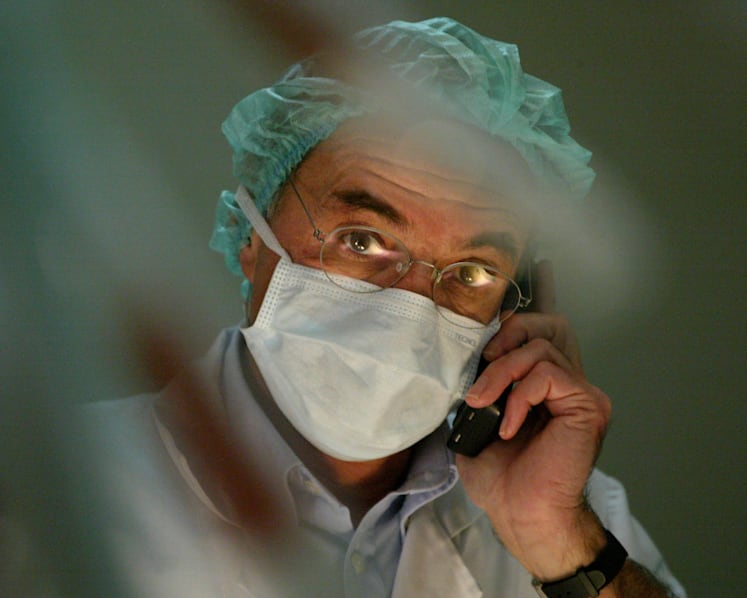
AFP file photo


SINGAPORE — Where it previously stated that doctors should provide only general information to patients via remote platforms, the Singapore Medical Council (SMC), noting that telemedicine can improve patient access to medical care, has set out new guidelines on how to provide such care in a responsible manner.
This comes as more hospitals and nursing homes are trying out telemedicine — the remote diagnosis and treatment of patients using telecommunications technology, and which can range from consultations via a mediated system to robotic surgery in a remote location.
In updated ethical guidelines for doctors released on Wednesday (Sept 14), the SMC stressed that telemedicine is “not equal to conventional in-person care”, but practitioners who engaged in telemedicine should “endeavour to provide quality and standard of care” as in-person medical care.
Practitioners must be trained in the use of technology and equipment needed to offer telemedicine services. Those who refer their patients to robotic procedures performed by other doctors from remote locations will still be responsible for the overall management of their patients.





Practitioners must also ensure that patients who need to operate telemedicine equipment are sufficiently trained to do so. For example, patients with heart conditions should know how to operate ECG monitoring devices at home and how to transmit the information to the appropriate recipients.
Doctors who engage in telemedicine must make sure patients understand limitations of telemedicine that may affect their quality of care. They must also ensure that the platforms do not compromise confidentiality.
“If you are of the view that a physical examination is necessary, you should have a doctor who is physically present with the patient to conduct the examination on your behalf and provide you with the findings,” the council noted, in a separate handbook elaborating on the guidelines.
Another new section in the guidelines deals with complementary and alternative medicine (CAM). Among other things, practitioners must be trained, certified and accredited, and must not mislead patients to the expected benefits of such practices.
Guidelines under this section relate to registered doctors in traditional and long-held practices that are “either lacking … or have equivocal evidence or only some supportive evidence”.
Currently, the only CAM service approved by the SMC is needle acupuncture.
Practitioners must also ensure that there are “sound medical reasons” for offering CAM to patients.
“CAM is a justifiable alternative to conventional medical therapy when conventional therapy has been tried and failed, or there is no better alternative in conventional medicine,” said the SMC.
For example, acupuncture can be prescribed to those suffering from chronic headaches or backaches with no diagnosable diseases, which can only be alleviated but not cured by conventional medicine.
The SMC said the outcomes of CAM treatment will be judged according to the standards applicable to conventional medicine. Doctors cannot be absolved from undesirable outcomes even if their practice of CAM is found to be “competent”.