Most court hearings to resume on June 8, many to take place through teleconferencing: Chief Justice
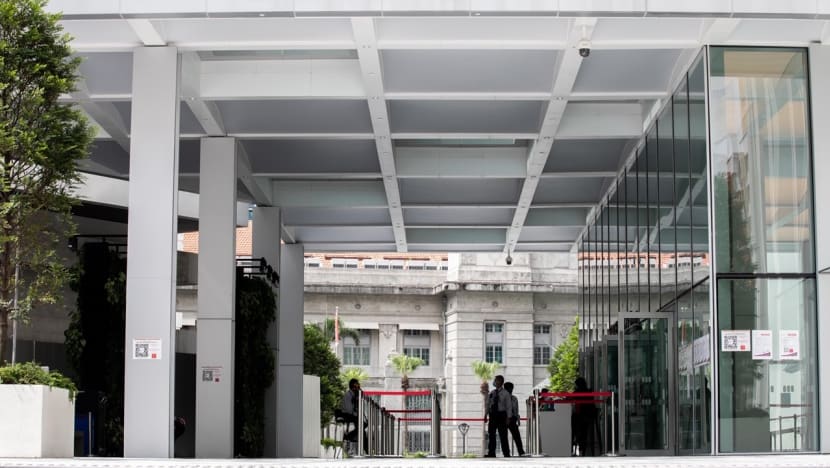
When physical attendance is required at a hearing, no more than two lawyers or litigants for each party can appear, Chief Justice Sundaresh Menon said.


SINGAPORE — In light of the circuit breaker being eased next week, Chief Justice Sundaresh Menon announced on Friday (May 29) that hearings for most court cases will resume on June 8.
Since April 7, when regulations kicked in for people to stay home and non-essential activites were halted, all courts have been hearing only essential and urgent cases.
These included matters related to violations of Covid-19 laws and where accused persons have been in remand longer than their possible jail terms.
The Government had announced last week that from June 2 onwards, activities within the nation will be resumed gradually over three phases.





In a message to lawyers and court users on Friday, Chief Justice Menon laid out the other measures that will take place as restrictions are progressively lifted:
- Courts will continue to use video and teleconferencing for “various hearings” after June 1.
- The Supreme Court will not take a recess in June so that matters that have accumulated can be dealt with. The State Courts and Family Justice Courts will also continue operating in June.
- When physical attendance is required at a hearing, no more than two lawyers or litigants for each party can appear. Hearings will also be scheduled at staggered timings to reduce the number of people in courtrooms and waiting areas.
- Visitors who are unwell or had any contact with any confirmed or suspected Covid-19 cases within the last two weeks will be barred from entering, as has been the protocol.
- All visitors should use the SafeEntry mobile application when entering and exiting court buildings.
- Safe distancing measures in the courts will remain, including spaced-out seating arrangements in courtrooms and common areas.
Chief Justice Menon said that feedback given about the use of video and teleconferencing had generally been positive.
“There was general consensus that remote hearings were convenient, cost- and time-efficient, and represented an important means by which the courts could sustain access to justice during the pandemic and, hopefully, enhance this into the future,” he said.
Acknowledging that some court users may not have access to or have difficulty taking part in remote hearings, he said that these users can notify the relevant court’s registry.
As more activities resume over the coming months, the legal profession “will likely be required to operate within a very different external environment”, including heightened concerns about debt and unemployment, Chief Justice Menon said.
“In the months ahead, all of us in the legal profession must do our part to restore and provide relief to a society in recovery. Our response to this challenge will represent the legacy of our profession in the post-pandemic era,” he added.