







Negligent e-payment users could be fully liable for losses from unauthorised transactions: Revised guidelines
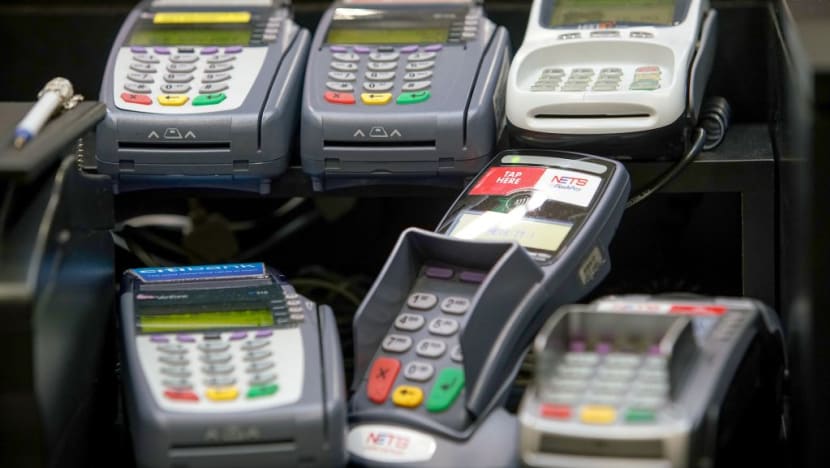
Following feedback from financial institutions during the consultation period, the finalised guidelines were issued on Friday, laying out a set of standards on the responsibilities of such institutions and e-payment users, as well as how liability should be apportioned for unauthorised transactions.


SINGAPORE — Instead of having to pay up to S$100 for an unauthorised transaction, negligent electronic payment users may have to bear the full loss depending on the outcome of the bank’s investigations.
Users should also report any unauthorised transactions to financial institutions as soon as possible, instead of by the next business day.
These were some of the revisions that the Monetary Authority of Singapore (MAS) made to a proposed set of guidelines on how e-payment users can be protected — following feedback from financial institutions during a consultation period.
The finalised guidelines, issued on Friday (Sept 28), will come into effect on Jan 31 next year.





They lay out a set of standards on the responsibilities of financial institutions and e-payment users, as well as how liability should be apportioned for unauthorised transactions.
Unchanged from the proposed guidelines, users who are deemed to have taken proper care of their bank account will not be liable for any loss, while those proven to be reckless will have to bear the total amount.
The actual loss for which they are liable is capped at a transaction or daily payment limit that is agreed upon by both the users and financial institutions.
The guidelines state that e-payment users should adhere to their duties, such as enabling transaction notification alerts on their devices and monitoring them, not disclosing the access codes of their bank accounts, and reporting an unauthorised transaction as soon as they are aware of it. Those who fail to do so will be considered reckless.
When the unauthorised transaction is caused by a third party, the financial institution will bear the loss if the transaction amount is less than S$1,000. Cases where the transaction amount is above S$1,000 will have to be investigated and decided on a case-by-case basis.
MAS said that the S$1,000 threshold was set because most daily transactions by individuals are below that amount. Banks will require their customers to sign for transaction amounts above S$1,000 to new payees, hence there are already extra layers of protection for large-value transfers.
The S$100 liability cap for negligent users was removed after feedback from financial institutions that it is not reasonable to place the burden of proving the extent of the users’ negligence on them.
They also said that the cap was disproportionate to the potentially large losses that financial institutions will have to handle.
Due to the wide-spectrum of what can be considered negligence, financial institutions will be allowed to investigate and assess such incidents on a case-by-case basis.
The guidelines stipulate that banks have to wrap up their investigation within 21 business days for straightforward cases, and 45 business days for complex cases.
As for the original proposal by MAS to require e-payments users to report any unauthorised transactions by the next day, financial institutions objected to what they saw as a “generous deadline” in their feedback.
They explained that any delay may result in potentially larger losses from continued unauthorised transactions. They believe that more timely reporting of such transactions by e-payment users will minimise losses.
On its part, MAS said that the duty to report unauthorised transactions as soon as possible should be not unduly burdensome on e-payment users, and will exclude time periods where they do not have access to their phones due to work or travel commitments.
Sign up for TODAY's WhatsApp service. Click here:




