







New offence for causing fire, decriminalisation of suicide among legislative changes effective from Jan 1
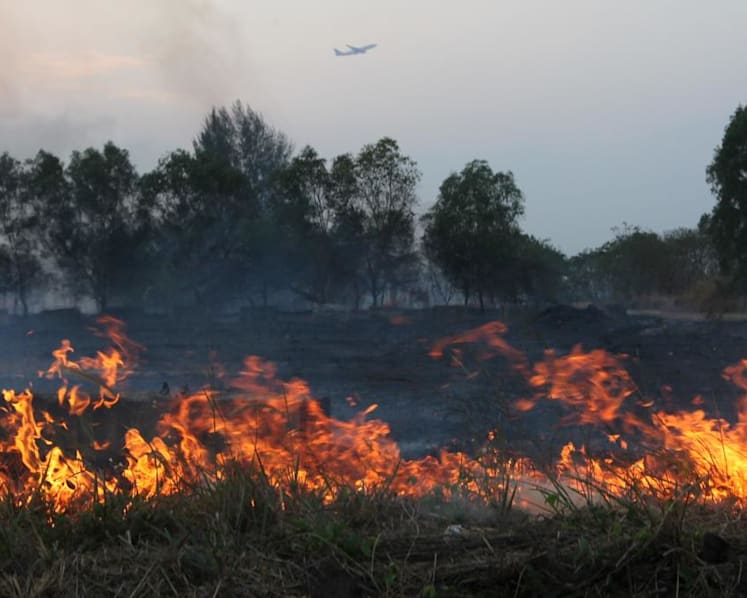
The SCDF attends about 550 vegetation fires every year, on average, many of them caused by discarded cigarette butts, the Ministry of Home Affairs said on Friday (Dec 27).


SINGAPORE — From Jan 1 next year, anyone who throws away lighted material, such as a cigarette butt, that causes a fire could be jailed for up to seven years, the Ministry of Home Affairs (MHA) said in a media release on Friday (Dec 27).
This new offence of "causing or substantially contributing to the risk of a dangerous fire" was introduced when the Criminal Law Reform Act (CLRA) was passed in Parliament in May. Those convicted of the offence may also be fined, or both jailed and fined.
Other amendments to the Act, such as the decriminalisation of suicide and the repeal of immunity for marital rape, will also come into effect on Jan 1, said the MHA and Ministry of Law in a joint statement, that was separate to the MHA statement on the new fire offence.
The measures are part of a sweeping overhaul of Singapore’s Penal Code to keep legislation up-to-date in the age of smartphones, among other developments.
Some amendments to the Protection from Harassment Act, which were passed in the same sitting of Parliament, will also take effect from Jan 1 next year, said the joint statement.
RISK OF DANGEROUS FIRE
With the new offence, the Singapore Police Force and the Singapore Civil Defence Force (SCDF) will be able to take firmer action against individuals who not only cause a fire when they do not properly dispose of lighted materials but also those who “substantially contributed” to the risk of such fires.
Unless proven otherwise, a person would have been considered to have substantially contributed to the risk of causing a dangerous fire if it occurs within 60 minutes at the place where the individual threw, dropped or deposited anything likely to cause fire, said MHA.
“SCDF routinely attends to fires caused by lighted materials. Between 2014 and 2018, SCDF attended to about 550 vegetation fires on average annually, many of which were caused by cigarette butts. As seen in other countries, these vegetation fires, if not prevented or controlled, can cause serious damage to life and property,” read the MHA statement.
PENAL CODE AMENDMENTS
Some key changes to the Penal Code, which will take effect at the start of next year, will include:
1, New sexual offences
Voyeurism, such as taking upskirt photos
Revenge porn, where perpetrators distribute or threaten to distribute intimate recordings of the victim
Cyber sexual exposure, such as the sharing of unsolicited pictures of genitalia
Unlawful access to databases or recordings that contain intimate images
2. Deception or misrepresentation in sexual activity
Acts such as "stealthing", where men remove a condom before or during sex without the knowledge of their partner, will be criminalised as well.
3. More protection for minors under 18
Sexual communication with minors, showing them sexual images and performing a sexual activity in their presence will be outlawed
Anyone who gained access, possessed, distributed, advertised or sought materials depicting child abuse will be violating the law
4. More protection for vulnerable victims
It will be an offence to cause or allow the death or serious injury of a child under 14, disabled people and domestic helpers
5, Decriminalisation of suicide
Individuals who tried to end their life will no longer be prosecuted
But abetting attempted suicide, such as physician-assisted suicide, still remains an offence
6. Repeal of marital immunity for rape
Sex without consent in marriage will always be rape under the legislative changes
Rape will include non-consensual acts involving penile penetration of the anus and mouth
POHA AMENDMENTS
Key changes to Poha, some of which will take effect on Jan 1, include:
1. Doxxing
Doxxing, the act of publishing information about a victim’s identity, will be considered an offence if the intention is to harass the victim, put the victim in fear of violence or provoke the use of violence against the victim. This takes effect from Jan 1.
2. Curbing the spread of online falsehoods
Victims can go to court and seek for a general correction order to require a correction if his or her reputation suffered “serious harm” due to the publication of a falsehood
3. Enhancing protection for harassment victims
The scope of Protection Orders (PO) will be widened so they are able to protect people related to the harassed victim such as family members, prevent publication of similar harassment materials that have been altered slightly by the offender and shared
Domestic exclusion orders which allow victims to exclude a harasser from their shared residence, even if the harasser has ownership of it
Arrests will be made when the PO is breached — if hurt is caused, or persistent harassment continues despite the order
Penalties for offences against vulnerable persons or victims of intimate partner violence will be doubled. This change takes effect on Jan 1.
Maximum penalties for subsequent breaches of a PO will be doubled. This change takes effect on Jan 1.




