







NTU launches S$45 million smart learning facility for students
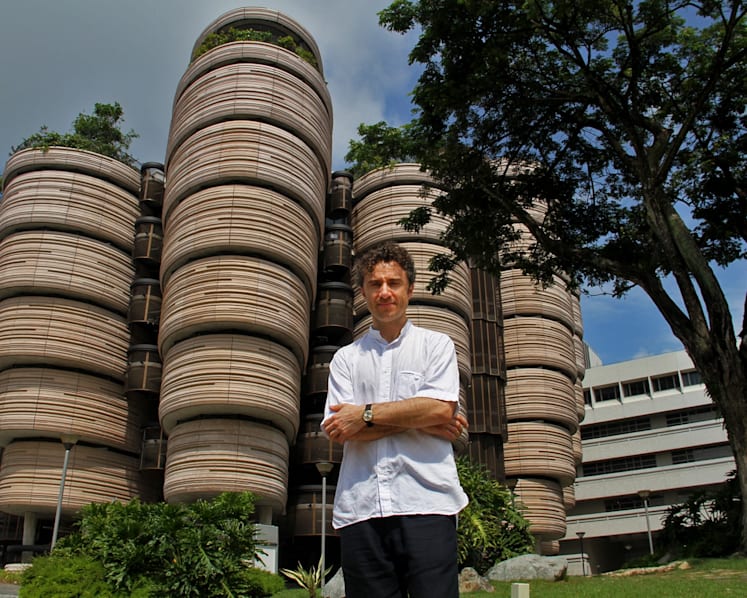
SINGAPORE — Nanyang Technological University (NTU) today (March 10) unveiled a S$45 million facility set to be the school’s next generation centre of learning, which will be open for use by students and faculty come August.
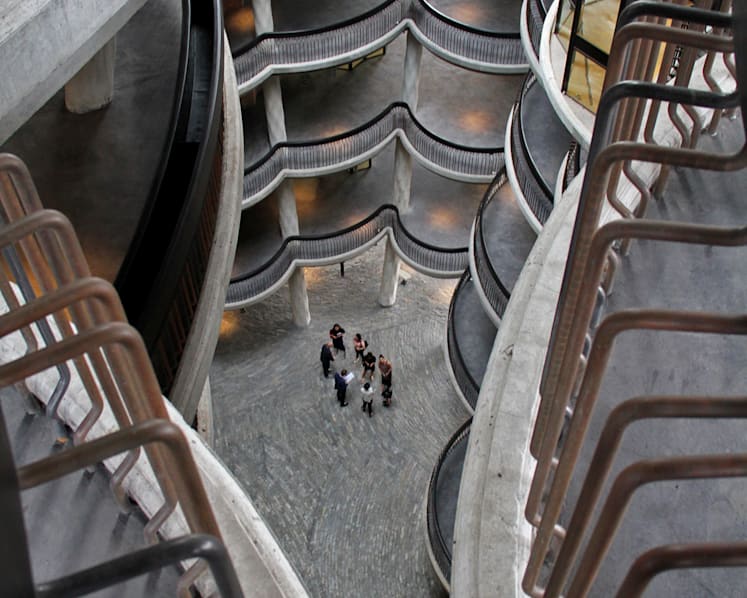
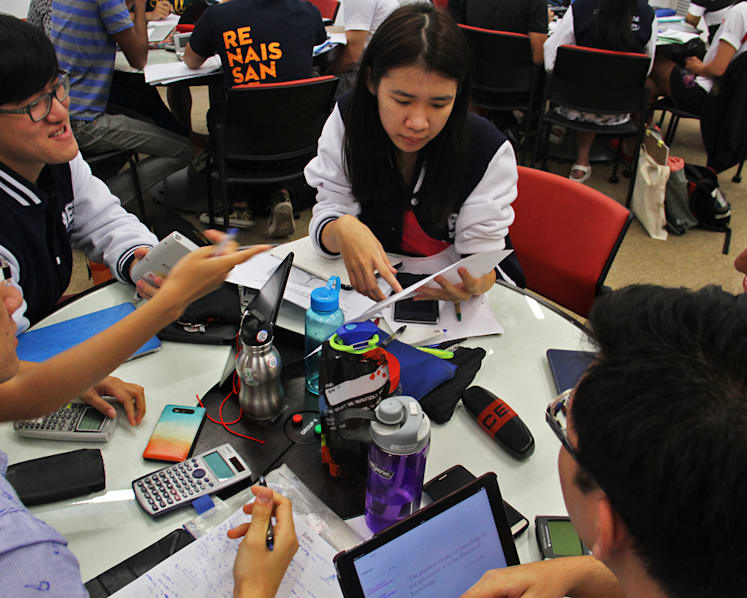
The bee hive-like structure features 56 new-generation “smart” classrooms equipped with flexible clustered seating for small group discussions, electronic white boards, multiple LCD screens and wireless communication tools. Nooks, balconies and gardens for informal collaborative learning are also found throughout the eight-storey building.
These features are designed to support the “flipped classroom” pedagogy that NTU has adopted, where students first learn through online materials in their own time and class time is used to engage with professors and classmates in discussions and debates.
Speaking at the opening of the Learning Hub yesterday, Professor Kam Chan Hin, Senior Associate Provost (Undergraduate Education) of NTU, said the shift in NTU’s teaching method was to bring about more productive face-to-face time between professors and students in class, and encourage students to learn collaboratively.
The Learning Hub will also feature an automated library with a collection comprising of some 11,000 video titles and 1,200 books, which will eventually grow to 5,000 books, as well as a student-run café. The facilities will be open to all NTU students, professors and researchers all day, every day.
Heatherwick Studio, which is also behind the London Olympic Cauldron, was appointed the design the building following a competition for the best design concept in 2011. Mr Thomas Heatherwick, the firm’s founder, said: “In this information age, the most important commodity on a campus is social space to meet and learn from each other.”
NTU’s Learning Hub also received the Green Mark Platinum Award from the Building and Construction Authority (BCA) in 2013. The building’s environmentally-friendly features include natural ventilation and energy-efficient lights with motion sensors. Natural foliage was incorporated to reduce the reliance on artificial cooling devices.




