







oBike looking to change the way Indonesians commute
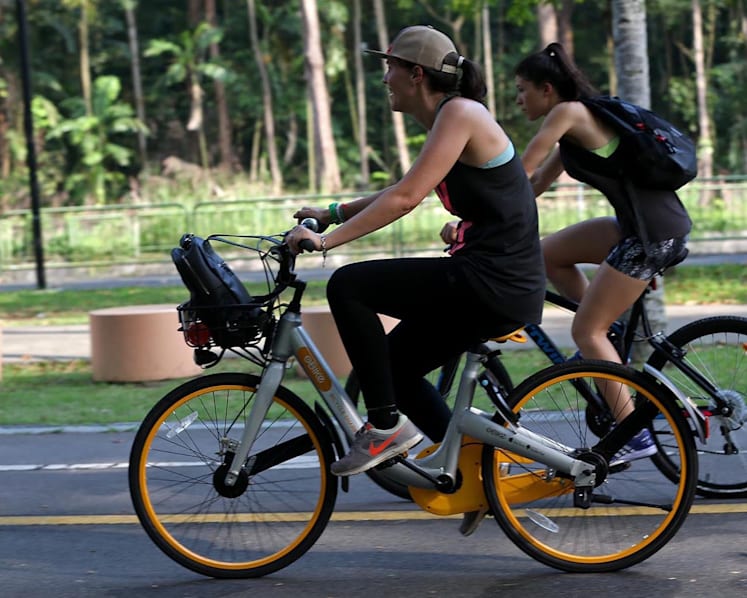
TODAY file photo


SINGAPORE — Homegrown startup oBike announced on Wednesday (Jan 31) that it has launched the service in Indonesia, becoming the first dockless bicycle-sharing platform to enter the market in South-east Asia’s largest economy.
oBike is currently available in Bandung and parts of Bali, including Kuta, Legian and Seminyak. It will soon be made available in other major Indonesian cities.
For the launch, oBike partnered with various agencies such as the Bandung city government’s transport department, IHGMA (Hotels Association in Bandung) and EcoTransport - a non-government organisation based in Bandung that encourages people to use eco-friendly modes of transportation.
Country Manager of oBike Indonesia William T said that the bicycle-sharing solution would give Balinese and Bandung residents “an alternative mode to commute from home to work, school, and public transport stations”, as well as give tourists and residents a “fun bike ride”.





“We developed oBike to provide a sustainable and convenient short-distance commuting solution that will save people time and money, while in the same time, embracing healthier lifestyle and supporting (the) government’s policy to reduce carbon emission,” he said.
The use of oBike is priced at 4,000 rupiah (S$0.39) for every 30-minute block. In conjunction with the launch, every new user in Indonesia will get three free rides with oBike.
In Singapore, oBike costs S$0.50 for 15 minutes of use. But the pricing can vary depending on promotions.
Responding to TODAY’s queries about the challenges faced, given that Indonesians commute mostly by motorbikes, the country manager said: “oBike’s service will complement the current transportation network in Indonesia by improving the way Indonesians commute and providing a sustainable and flexible option to help ease traffic woes.” He noted that Jakarta has been listed as the 22nd most congested city in the world.
“By having more people switch over to oBikes, we’ll be effectively contributing to the development of a car-lite and environmentally-conscious city,” he added.
Indonesia, one of the world’s biggest carbon polluters, has pledged to reduce its greenhouse gas emissions growth by at least 29 per cent by 2030.
One of the key priorities for oBike in Indonesia include education for commuters on bike-sharing, so that the company can eventually “build a sustainable public transportation network” in the cities it enters, Mr William said, adding that this would include working closely with local government bodies and the authorities.
He said that “these conversations and education may take some time”, but the company is committed to it as part of a long-term strategy.
oBike has deployed 14,000 bikes in Singapore. The service is available in over 70 cities in 20 countries, including Australia, Germany, Malaysia, South Korea and the United Kingdom.




