







Pain and anxiety when the tears run dry
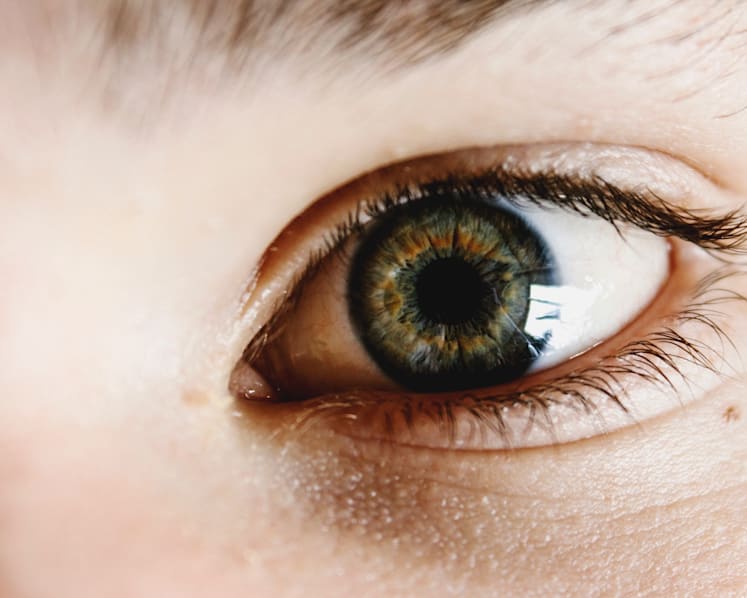
Although not usually sight-threatening, dry eye can severely affect quality of life.
SINGAPORE – Businessman Dawson Chandar Raj, 66, gets particularly anxious whenever a bottle of eyedrops is not within easy reach. Diagnosed with dry eye after an eye infection about three years ago, his condition is so severe that his life now revolves around keeping his eyes adequately lubricated.
He uses eyedrops every 10 to 15 minutes during the day and applies eye gel to prevent his eyes from drying out while he sleeps. Skipping the routine would lead to discomfort, blurred vision and a painful, “aching feeling” in his eyes.
Mr Dawson initially thought dry eye, which occurs when quality and/or quantity of tears are abnormal, “wasn’t a big deal” – until the symptoms started wreaking havoc on his everyday activities.
“If I forget my eyedrops when I’m out, I’m in deep trouble. I’d have to run to the nearest convenience store and grab any eyedrops that are available or the suffering would be quite bad. I could not travel much or drive until I got treatment,” said Mr Dawson, who is currently seeking treatment at the Singapore National Eye Centre (SNEC).





The condition is common in Singapore, and more than half of adults in the general population may have dry eyes based on clinical signs, said Associate Professor Louis Tong, senior consultant at SNEC’s cornea and external eye disease service.
About 10 to 12 per cent of the new cases seen at SNEC, which handles about 55,000 new cases per year, have some form of dry eye, said Assoc Prof Tong, who is also a principal clinician scientist at the Singapore Eye Research Institute (Seri). The majority of dry eye patients he sees are above the age of 50. Less than 20 per cent are under 40 years old.
Senior consultant ophthalmologist James Pan, medical director at Nobel Eye and Vision Centre, sees about 40 to 50 patients with dry eyes each month, about half of whom are under the age of 40.
Although not usually sight-threatening, dry eye can severely affect quality of life.
Patients may complain of symptoms such as eye redness, blurred vision and the sensation of a foreign object in the eye, which can make it difficult for them to go about their daily activities. In severe cases, dry eye may lead to ocular surface inflammation, abrasion of the corneal surface, corneal infection or scarring, said Dr Pan.
LINKED TO DEPRESSION
Studies have also linked the eye disorder to mental health issues like anxiety and depression – a phenomenon that Assoc Prof Tong has observed in some patients.
“If I see 20 patients (with dry eye) in the same morning, I’ll find that maybe 15 have some difficulty sleeping,” he said.
A new study published in the peer-reviewed journal PLOS ONE in June, based on 16,000 Korean participants aged 19 and above, found that those diagnosed with dry eye or suffering from dry eye symptoms were more likely to experience depressive moods and have suicidal thoughts than those without dry eye.
There are several theories: Researchers suggest that the underlying factors that cause depression, such as hormone-related imbalances, may also cause dry eye. The authors of the Korean study suggested “that prolonged dry eye symptoms can lead to chronic pain, which in turn may cause feelings of depression and suicidal thoughts”.
“It could also be the fact that some people feel more easily anxious and depressed when they have (dry eye) symptoms,” said Assoc Prof Tong.
HABITS PLAY A BIG ROLE
Factors that can contribute to dry eye include old age, hormones, systemic conditions such as diabetes and rheumatoid arthritis, as well as medications such as anti-histamines and decongestants, said Dr Pan.
About 80 per cent of people in Asia with dry eye have Meibomian gland dysfunction, where oil glands around the eyelids are blocked, said Assoc Prof Tong.
In Singapore, environmental factors from modern lifestyle habits play a large role in the rising number of dry eye cases, said the experts.
“The act of using phones in the dark or staring at a screen for prolonged periods, continuous use of contact lens, and not having proper nutrition or sleep can affect our eyes,” said Dr Pan.
It is also possible for the young, including children and teenagers, to develop dry eye due to habits such as excessive screen time, he said.
One of Dr Pan’s patients, a young lady in her early 20s, had such severe symptoms of dry eye – pain, redness and vision blurring - that she could barely open her eyes after working at her computer for half a day. She had been using disposable contact lenses for more than 12 hours each day for about a decade.
Assoc Prof Tong said patients in the younger age groups tend to present with a different set of dry eye issues. For instance, they may have some allergies, post-Lasik side effects or use contact lenses.
Some cosmetic products, makeup and certain skin cleansers may also exacerbate dry eye as they introduce foreign molecules to the ocular surface and eyelids, which can cause low-grade inflammation, he said.
In a small group of patients, severe dry eye may occur due to other medical issues, such as when the cornea is affected by chronic graft-versus-host disease, which may occur years after a bone marrow transplant, or Stevens Johnson Syndrome (severe reaction to drugs or viral infection), said Assoc Prof Tong. However, such severe cases of dry eye are uncommon.
TREATMENTS AND GOOD HYGIENE
There is currently no cure for most types of dry eye but a range of treatments is available to help patients manage their symptoms better.
Most cases of dry eye are mild and can be treated with over-the-counter eye lubricants but if symptom persist or worsen, it is advisable to see a doctor or an ophthalmologist, said Dr Pan.
Traditionally, patients with dry eyes are treated with topical ocular lubricants in the form of eye drops or eye gel, many which are now available in preservative-free formulations, said Dr Pan. Those with more severe dry eyes may be prescribed topical immune-modulatory drugs like Ciclosporin to control inflammation, he added.
Assoc Prof Tong said it is a common misconception is that the use of eyedrops alone is sufficient to manage dry eye. Regular warming and cleaning of the eyelids is as, or even more, important.
“Sometimes the inflammation you see in the eyeball is completely related to the eyelids, so the mechanical issue needs to be solved. Using just eyedrops does not solve the problem of blockage of the glands around the eyelids,” said Assoc Prof Tong.
Research has also shown that Omega-3 fatty acids supplements can help manage dry eyes. Other treatments include steroids and punctal plugs, which are inserted into the tear ducts to help conserve tears.
If conventional treatment fails, there is a surgical treatment for severe dry eye known as tarsorrhaphy, which closes the eyelids partially.
Given the prevalence of dry eye, SNEC has looked into new products and treatment options to help patients better tackle the condition.
Among the SNEC’s latest offerings for dry eye is the Bleph-Ex service, which was introduced early this month as an “add-on service”. It involves the use of a rotating brush to remove debris and exfoliate the eyelids.
“It is not meant to replace home self-care of the eyelids. It’s like going to the dentist for polishing and scaling of the teeth but does not replace brushing of teeth,” said Assoc Prof Tong.
Not all dry eye cases need specialised treatment and a “community approach” may be sufficient to manage the condition, he said.
New findings from a three-year collaborative clinical trial by Seri and Singapore Chung Hwa Medical Institution released in June show that treatment of dry eye works better with acupuncture and lubricant eye drops, compared to using only eye drops.
Participants who were treated with artificial tears alone saw 72 per cent of improvement of comfort levels while those who underwent additional eight sessions of acupuncture saw 88 per cent improvement, as well as a larger reduction of conjunctival redness in the eyes.
An application that helps assess suitability of dry eye treatments is now available for general practitioners on request, said Assoc Prof Tong. An app to help patients monitor their symptoms between clinic visits is in the pipeline.
There are also plans to offer a USB heated eye mask via a vending machine at the SNEC sometime this month, said Assoc Prof Tong. The reusable eye mask, which is currently available to SNEC patients via courier, can be used as part of the eyelid hygiene routine to unclog blocked eyelid glands.
Emphasising the importance of preventive care, Assoc Prof Tong advised people who are experiencing early signs of dry eye to get started on good eyelid hygiene.
This can be done by doing eyelid warming, for about 10 minutes each day at a temperature of about 40 to 45 degrees Celsius, followed by gentle massaging of the eyes with clean fingers, he said.
“With dry eye being so common, anyone at risk, for instance, if you’re in an airconditioned room or use the computer most of the time, should do it as a form of prevention.”




