







Panel recommends banning bicycles without brakes from footpaths and roads
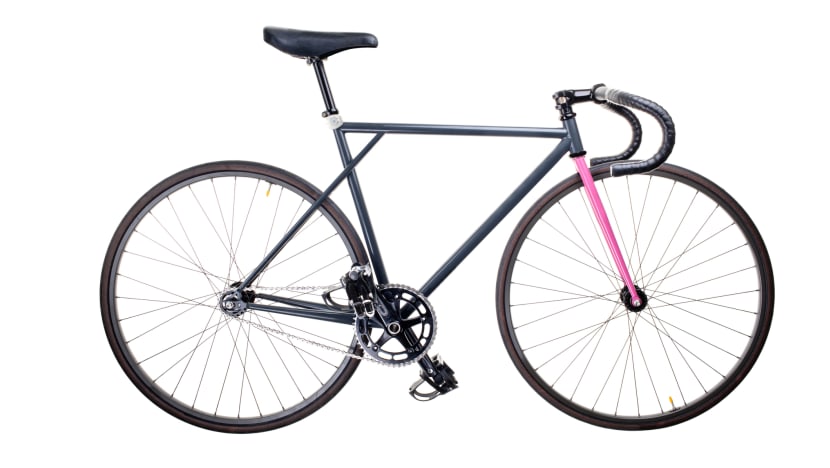
Fixies typically do not have brakes installed and come to a stop when riders resist the pedalling motion with their feet.


- The Active Mobility Advisory Panel proposed a new regulation that all bicycles must have brakes installed when used on public paths and roads
- Such a rule would affect fixed-gear bicycles, popularly known as “fixies”, as many do not come with brakes
- Currently, there is no law that forbids a bicycle to be used on footpaths and roads if it has no brakes
- The report also recommended that mandatory third-party liability insurance should not be imposed at this point on non-commercial users due to their high cost
SINGAPORE — Fixed-gear bicycles, popularly known as “fixies”, as well as other types of bicycles that do not have hand brakes should be banned from public paths and roads, the Active Mobility Advisory Panel (AMAP) said on Wednesday (Dec 30).
In a report submitted to the Ministry of Transport, the panel recommended that a new rule be put in place to allow only bicycles that have brakes installed in order for them to be used on footpaths and roads.





No such rule exists currently in Singapore, the panel noted in its fourth review since 2015.
Fixies typically do not have brakes installed and come to a stop when riders resist the pedalling motion with their feet.
“Although these bicycles could have hand brakes installed, owners tended not to do so as (that) would be perceived as ‘cooler’ and had lower maintenance costs,” the AMAP said.
In January 2020, a 13-year-old fixie rider died after she crashed into a railing at a multi-storey car park and fell from height, prompting a state coroner hearing the court inquiry to declare that such bicycles are not suitable for the young. Her death was ruled as a misadventure.
It was these bicycles that partially triggered the review, the panel said in its report.
If accepted, the rule could also affect bicycle motocross (BMX), which are off-track sport bicycles used for racing and stunt riding. A BMX bicycle typically has a single gear and small wheels.
Most BMX racing rules require bicycles to have a rear hand brake only, since a front hand brake may endanger the rider if it is accidentally engaged during a race. Because of the different rules and preferences in the sport, BMX bikes can be sold without brakes.
The report said that BMX sports were typically conducted in controlled environments such as skate and cycling parks, adding that any brake regulations could affect the future take-up of such sports.
The panel recommended that BMX bikes continue to be allowed in these controlled environments without brakes, but will need to have at least one hand brake installed when used on footpaths and roads.
The panel proposed that the authorities monitor whether the current practice of conventional bicycles being equipped with two hand brakes would change if its recommendations for the new law are accepted.
It also recommended that mandatory third-party liability insurance should not be imposed at this point on non-commercial users, as its high cost could deter them from taking up active mobility modes.
Such insurance is needed for those who use active mobility devices for commercial reasons, such as food delivery, which will allow accident victims to receive financial assistance and compensation in accidents.
Minister of State for Home Affairs and National Development Muhammad Faishal Ibrahim, who is also chairs the AMAP, said in a Facebook post that striking a balance between stakeholder interest and the safety of all path users “takes a lot of effort and extensive engagement”.
“There are many stakeholders and diverse active mobility interest groups that are calling for attention. Achieving consensus even amongst AMAP on how best to do this can take many lively debates! But we will prevail and come up with balanced and well thought through solutions.”




