







Reduce the cost of your borrowing
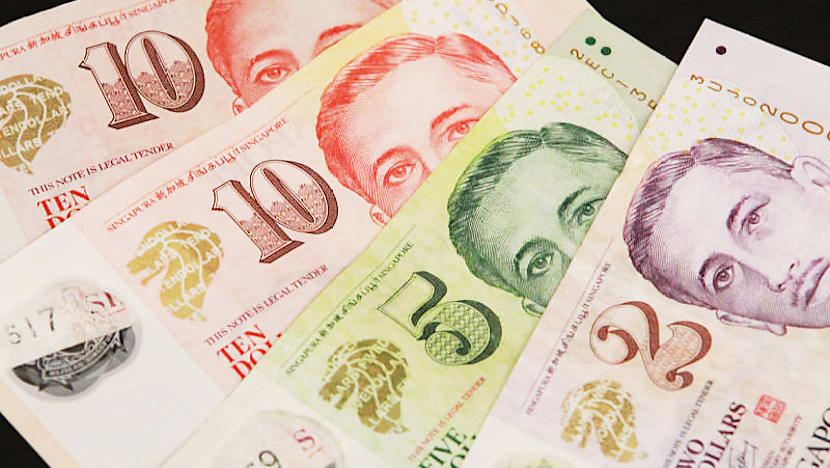
Whether you’re paying relatively low interest rates on a mortgage or auto loan, or far higher rates on credit cards, costs can seem sky-high. Finding ways to pay less interest can save you plenty of money. TODAY file photo


Whether you’re paying relatively low interest rates on a mortgage or auto loan, or far higher rates on credit cards, costs can seem sky-high. Finding ways to pay less interest can save you plenty of money.
INTEREST RATES FOR LOANS
If you need to borrow to buy something, from the latest gadget to a home, there are plenty of types of loans. At OCBC Bank, for example, you can select from cash, debt consolidation, car, secured overdraft, home, renovation, overseas property, construction, credit card and other types of loans. The interest rates on these loans vary widely, though, depending on how you borrow.
At one end of the spectrum, banks here have started what some are calling a mortgage war, with lower interest rates for longer durations. Local and foreign banks alike are offering three-year fixed-rate home loan packages, for instance, at about 1.68 per cent for each of the first three years. Rates for refinancing a mortgage could be as low as 1.23 per cent.





Automobile loan rates are also relatively low, at less than 3 per cent, and some banks offer car loan refinancing at just above 2 per cent.
Unsecured loans, without collateral such as a house or a car, cost more. The rate on unsecured personal loans was as low as 4.5 per cent recently, though borrowers usually need to pay a processing fee of about S$200 that can add significantly to the cost.
At the higher end, credit cards cost the most. While the Maybank Platinum card charges 15 per cent, the interest rate on most cards is at least 24 per cent and often reaches 28 per cent.
FIND THE BEST RATES
While it might seem that interest rates would be similar at most banks, they actually vary tremendously. Indeed, the range of interest rates shows just how important it is to do a comparison before borrowing. Paying more than 8 per cent for a personal loan rather than just above 4 per cent or paying 28 per cent rather than 15 per cent on a credit card can cost you dearly.
Using comparison websites such as GoBear or SingSaver can be an easy way to compare interest rates on loans, find the lowest one and save money.
One additional factor to consider when you’re looking at rates is that there are differences between the advertised rate and the effective rate. Whereas a bank may advertise an interest rate, the effective rate you’ll pay once you factor in processing costs or different ways of calculating interest can be higher. While the advertised interest rate on a three-month personal loan from OCBC was 0 per cent recently, for example, a one-time processing fee could bring the effective interest rate up to 7.22 per cent.
It’s also important to note that there are fixed rates and floating rates, especially for mortgages. Whereas fixed rates stay unchanged for a specific period, floating rates can change periodically. While some interest rates have dropped amid doubts about further rate hikes by the United States Federal Reserve, UOB Bank forecasts that the three-month (Singapore Inter Bank Offered Rate) SIBOR rate will rise from the current 1.12 per cent to 1.60 per cent by the middle of next year. Consumers who believe that interest rates will rise could take fixed rates, while those who believe that rates will stay flat could consider floating-rate packages.
PAY LESS INTEREST
Along with selecting loans with lower rates, savvy consumers can reduce their costs by managing their loans well.
What’s most important is paying off loans with the highest interest rates first and faster. If you have credit card debt, start paying off the card with the highest interest rate by paying more than the minimum payment, making two minimum payments each month or - if you have enough money - paying off the full balance. Then, pay off others one-by-one if you have multiple cards.
You could also consider using personal loans rather than cards to make larger purchases, since personal loans often have lower rates. Before applying for a personal loan, make sure your credit report is accurate because banks may use it to determine whether to approve the loan and what rate to charge.
For mortgage loans, several strategies can reduce your costs and shorten your mortgage. One is to make accelerated payments, paying an extra amount along with your regular payment each month. Paying half of your usual payment every fortnight rather than paying the full amount once a month can also reduce interest costs. If your bank doesn’t allow extra or fortnightly payments, you could save the money and use it to reduce the principal half-yearly or whenever the bank does allow a partial repayment.
If you already have a mortgage, consider refinancing it. Even though interest rates often rise after the first 2-3 years, many people don’t check rates. You can save thousands of dollars a year if you do check around and refinance your home at a lower rate.
TAKE ACTION AND SAVE MONEY
It’s easy for many of us to become complacent and just keep paying the interest on whatever loans we have without looking around. By comparing interest rates and taking action to refinance or pay loans off faster, though, you can save money and reach financial freedom far faster.




