







Researchers to test technology that could help prevent car accidents
SINGAPORE — Cars may soon be able to tell if a distracted or sleepy person is behind the wheel, and warn the driver or activate cruise control. By installing a camera and eye-tracking sensors, researchers at the BMW-Nanyang Technological University (NTU) Future Mobility Research Lab hope to prevent car accidents due to distracted drivers.
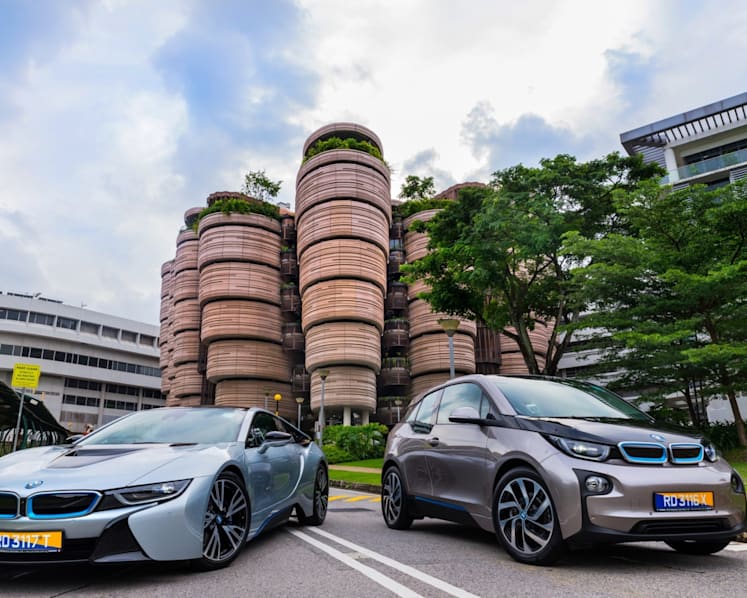
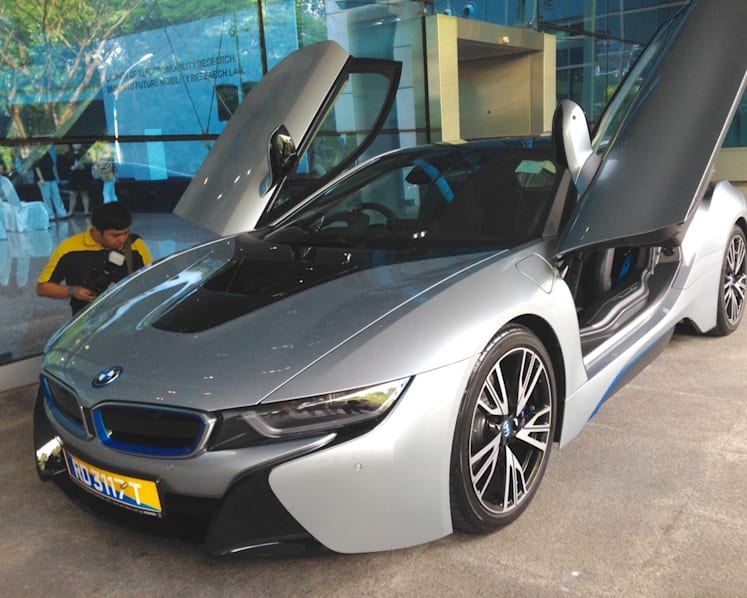
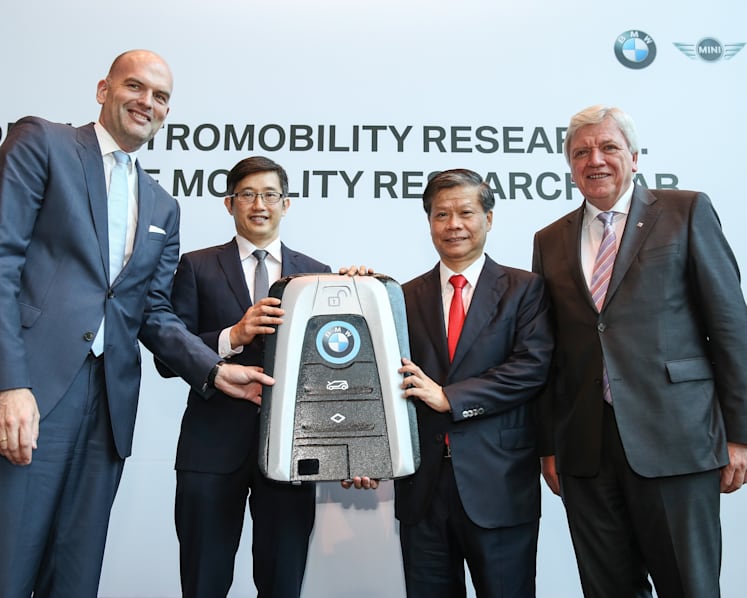
They will soon test the technology on two cars provided by the BMW Group for three years — the all-electric BMW i3 and plug-in hybrid sports car BMW i8 — as part of a S$1.3 million injection of funds by NTU and the German carmaker.
Initiated in 2013 with funding of S$5.5 million, the lab has almost doubled in size, from 17 to 32 professors, post-doctorate and PhD students. The original research areas are in advanced battery, driver enhancement and intelligent mobility.
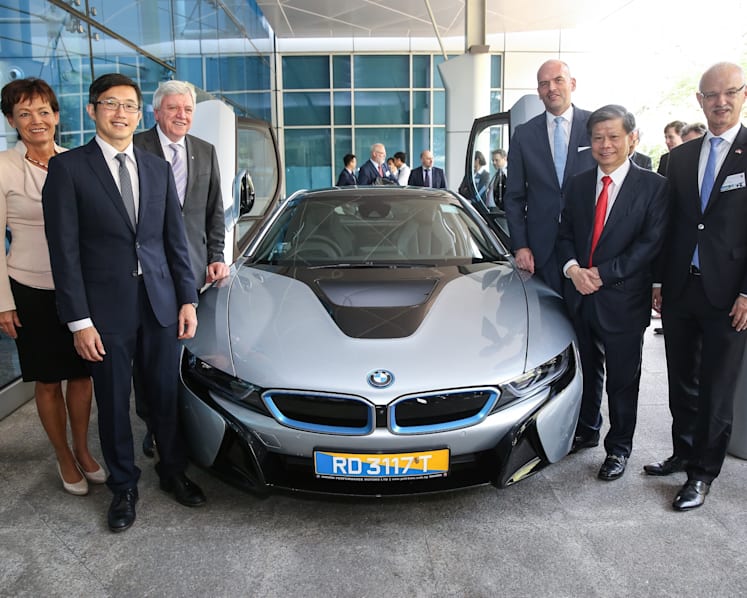
The new cars will support two new research areas: Electromobility in Asia and smart materials. “Singapore is arguably the perfect place for electromobility ... and for research of it to be conducted,” said Mr Axel Pannes, Managing Director of BMW Group Asia, at the launch at NTU today (June 29).





Electromobility researchers could study the driving experience of electric cars in a dense city with many traffic lights, and the charging infrastructure needs in Singapore, said Professor Subodh Mhaisalkar, executive director of the Energy Research Institute at NTU. Research into smart materials could include designing buttons that appear, on demand, on materials such as clear glass, which can be used on windscreens.
The two cars will help in the development of mass electric vehicles for the more distant future, and smarter cars in the near future.
“By the time autonomous vehicles make it to the market, it could be twenty years or more. In the interim, there will be advanced driver-assistance schemes … we are working on such driver-enhancement technologies that improve driver comfort and safety on the roads,” said Prof Mhaisalkar.
The technology to detect distracted driving is one such example. “Other technologies on the market can detect fatigue based on the blinking of the driver’s eyes, but if you are already fatigued, it is very dangerous. We want to detect distraction before fatigue,” said PhD student Liu Tian Chi. The car might then send out an alert, activate cruise control or disable distracting functions such as the radio.
By the end of the year, the lab will also launch an app, “Park Lah!”, to help drivers choose carparks. It provides predictive estimates of carpark occupancy and the time taken to park, based on historical data and user-generated data. This would help if the occupancy of carparks fluctuates, such as during lunch hour, said senior research engineer Jim Cherian.
Minister of State for Trade and Industry Teo Ser Luck, who was guest of honour, said Singapore is well-placed to take advantage of potentially disruptive technologies — such as autonomous driving and vehicle-to-everything communications — that could transform the automotive industry in the coming decade.




