







Save money with use of Internet-connected devices
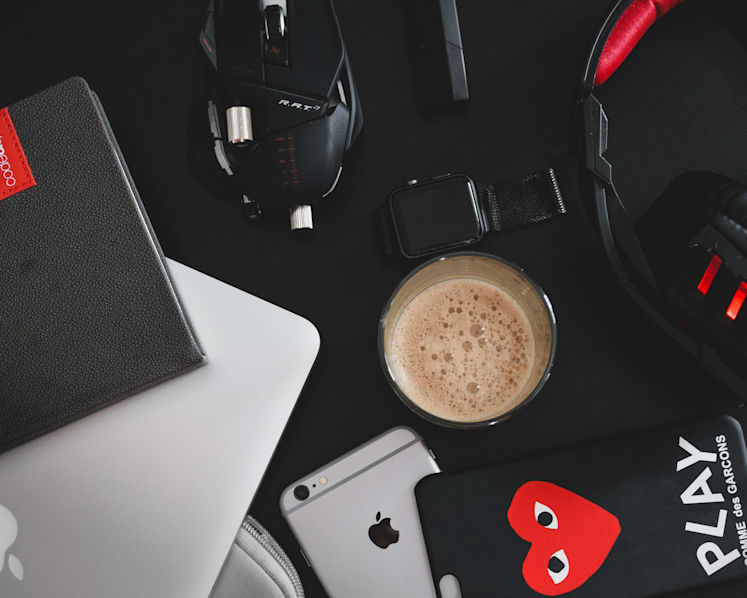
"Internet of Things" gadgets, ranging from smartphones to coffee machines, can help people do more and save money.


SINGAPORE — Fitbits, smart locks and other “Internet of Things” (IoT) gadgets might seem like they are just here to make things more convenient. By choosing the right ones, though, you can do more and save money.
Very simply, the Internet of Things refers to devices connected to the Internet. Gadgets ranging from smartphones and tablets to Internet-connected coffee machines, air-conditioners, lights and even beds count as IoT.
While devices for companies do everything from surveillance to environmental monitoring, and the Government is working on IoT as part of its Smart Nation drive, individuals can get IoT devices easily, too.
These gadgets collect data that can be used to analyse your activities and, since they are linked to the Internet, they can download software so you can control them from anywhere.





IoT has reduced how much work people need to do, too, which can give you more free time.
MAKING THINGS EASIER, CHEAPER
In the early days of IoT, a key benefit was convenience. Smartphones connected you to friends, smart coffee-makers had coffee waiting when you wanted it, and smart air-conditioners cooled down the flat before you arrived home from work.
Now, though, IoT devices are doing far more and can save you money — or even save a life.
One of the hidden costs at home, for example, is the electricity used for televisions and other gadgets that are on standby. What you can do instead is to use a smart plug with a timer that turns the appliance off when you won’t use it, such as during the day while you are at work, and then automatically connect it before you are likely to use it.
Even better is a smart plug with energy monitoring, such as a TP-Link HS110 or DP-Link DSP-W215, which can track your device’s power consumption in real-time or provide weekly summaries. You can figure out where you are using too much power and change what you are doing or get a device to use less electricity.
If you use air-conditioning, a smart thermostat can check the temperature and humidity inside and outside.
Knowing how long your flat takes to cool off and using information you’ve added about what time you will get home, the thermostat can pre-cool your home before you arrive and run your air-conditioning more energy-effectively.
Thermostat-maker Ecobee found, for example, that consumers in the United States saved up to 23 per cent on cooling costs with a smart thermostat.
Even fancier is smarter air-conditioning. Renovation portal Renonation.sg explains how you can set the air-conditioning temperature at 25°C with a smart home system that automatically turns off the air-conditioning and turns on a fan when the temperature drops to 25°C or less, which can cut your electricity bills tremendously.
On the health side, one challenge is making sure that elderly family members get the right care and avoid costly emergencies.
You can soon use devices such as Apple 4 watches, for instance, to detect falls or unusual heartbeats. The devices can send alerts to a nurse or to you, even when the person wearing the watch doesn’t feel any symptoms, to let you know that care may be needed.
Along with saving you time, it means you may save money on emergency care or even just the taxi to get home to check on them.
You can also use a Juvo sleep monitor to track your family’s sleep or yours, so you stay healthier.
And if you have a car, you can use a sensor such as an EverBuy car diagnostic interface or FIXD to self-diagnose problems when an alert goes on rather than heading to a mechanic, and also get driving tips or reminders about maintenance.
VALUE FOR CUSTOMERS
While it is still early days for companies to get into the act, some firms that are early adopters have ways for IoT gadgets to save you money.
Insurance companies such as MSIG or NTUC Income, for instance, can give you a telematics device to put in your car. The device tracks your speed, acceleration, braking, mileage or other habits, then calculates a score that can lower your insurance premium — if you are a good driver.
NTUC, for instance, gives a discount of up to 20 per cent depending on the score and can give a discount of 35 per cent if you drive less than 5,000km a year. MSIG’s device also allows you to get real-time feedback.
With AIA, you can get a discount on a fitness device such as a Fitbit and then connect it to the company. Members can earn points based on their steps or other activities which improve their health, then use the points for grocery vouchers or other benefits.
It’s still the early days of IoT, and devices ranging from cyber-security protection gadgets to even better smart-home controls will be here before long. Since there are already gadgets available that can help you cut costs, consider taking advantage of these or other devices that are here now to start saving money sooner, rather than waiting for more later.




