







Self-control, group support help diabetic patients to manage disease
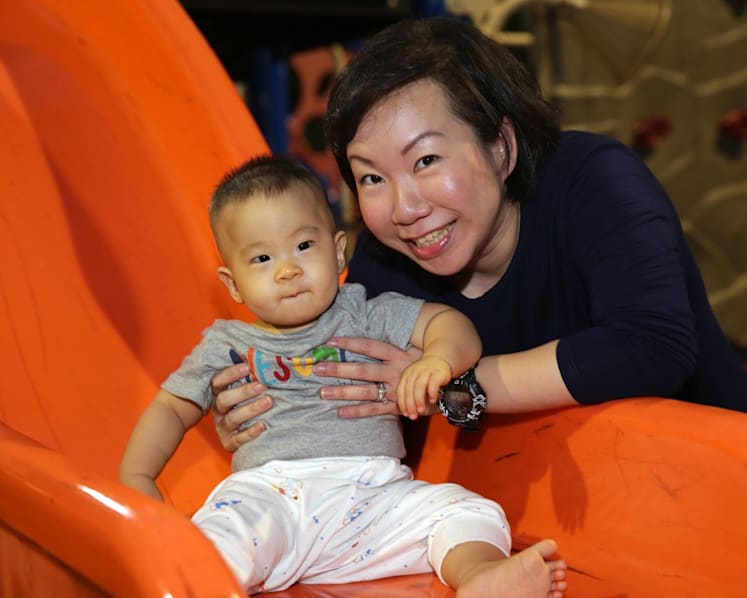
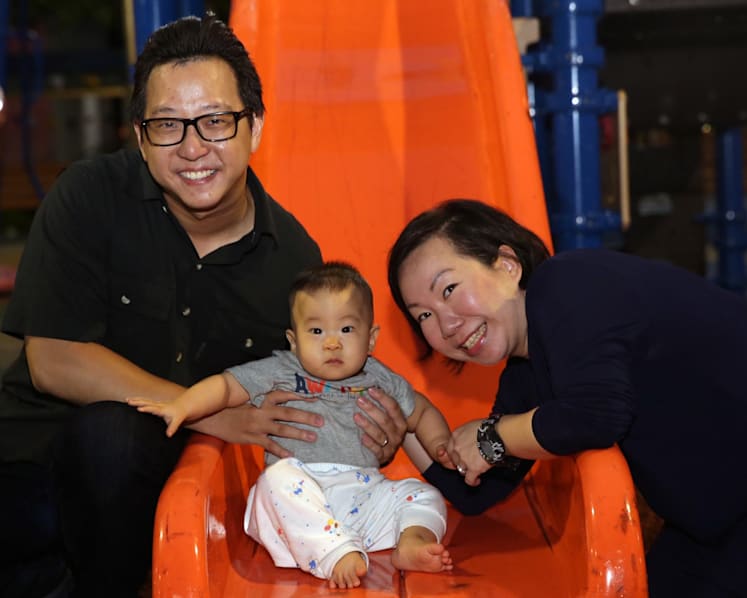


SINGAPORE — Diabetic patient Monica Bong, 37, used to cook enough to feed five people at every meal even though it was just for herself and her husband. She also enjoyed snacking on potato chips and drinking beer after dinner twice a week, and got her occasional fix of “a nice, cold, full-fat Coke” and fry-ups, before she knew she had diabetes.
After the heartbreak of a miscarriage in 2014, she tried to make “better food choices” when she was pregnant for the second time in 2015. Still, it was difficult to keep her blood sugar levels in check. Then, some six weeks into her second pregnancy, when she discovered that there was no heartbeat from the foetus during a scan, her mind “just shut off”.
“(I thought), ‘It’s happening again’. I still remember the first thing I said was, ‘I need to eat a bowl of mee rebus now’. For me, when I’m sad, I just reach for comfort food,” the purchasing specialist said.
When she got pregnant the third time last year, Ms Bong, whose family has a history of diabetes, took charge of her diet.





She stayed away from big portions of white rice, avoided sushi at Japanese restaurants, and cooked at home instead of eating out — all with the encouragement of her husband, and doctors and nurses at Singapore General Hospital.
Even with these, she needed a lot of “self-control” and discipline, such as choosing to eat alone when being invited to lunches with colleagues, she said.
“You have to put yourself first, and don’t feel you have to do whatever others want you to do… (Otherwise), no one is going to look out for you,” she added.
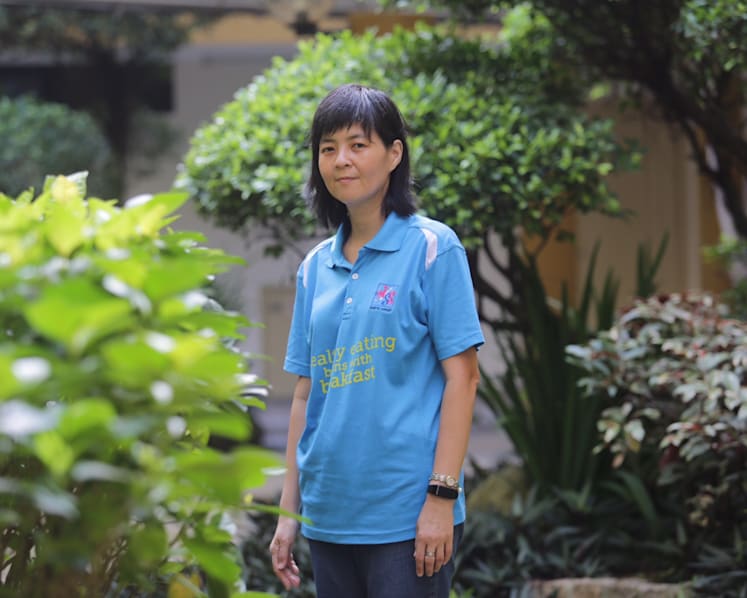
Ms Lim Hwee Chin, 35, a church worker, often struggled with similar issues when eating out. There had been times when she wanted to give up, “not wanting to care” about managing her diabetes.
BEING UPFRONT ABOUT LIVING WITH DIABETES
The lack of healthier and appropriate food choices while eating out was also challenging for her. She is on a ketogenic diet, which is a low-carbohydrate, high-protein and moderate-fat diet, so she chooses not to eat any rice or bread, for instance.
She recalled how trying it was to order food at the hawker centres or food courts, having to ask what ingredients go into the dishes.
When she has a steamboat meal with friends, she has a separate section in the pot for her soup, which would have less sugar and no processed food.
“I used to tell people I have a food allergy, but then I decided to be upfront about my condition... It made them less frustrated… After a while, you know which (hawker stalls) you can patronise,” Ms Lim said.
With so much that people do not understand about the disease and the sufferers’ lifestyles, Ms Lim hopes that people would not stereotype and stigmatise them. “I’m learning not to let others’ opinion of diabetes affect the way I see myself and my identity. Diabetes does not define me,” she said.
Even patients who have had the condition for a long time admitted that it took them years before they understood how to care better for themselves.
Madam Christine Lee, 64, a part-time administrative worker, said that it was “very difficult” when it came to controlling her condition in the first 18 years after she was diagnosed.
This was due to the lack of time and having to juggle demanding jobs in the construction industry when she was younger, as well as being a mother to two young sons, she said. She was also in “denial” as she “always felt well”.
“I could not just depend on the doctor telling me what to do,” she said. “You need to have the resolve and conviction to take care of your own health.”
FREE ADVICE TO STRANGERS
With age catching up, she has become more health-conscious. Today, Mdm Lee has “acquired a taste” for a healthier, low-salt diet, avoiding extra sugar in what she eats and drinks.
She wakes up at 6am to prepare a breakfast of oats and packs home-cooked food such as steamed vegetables to the office for lunch.
“People think we are depriving ourselves… (but I disagree),” she said, adding that she still enjoys the occasional dessert of ice cream and waffles.
She also makes it her personal mission to advocate healthy eating to strangers she shares a table with at food courts. “(I do so because) I feel sorry for them. I used to be like them, ‘anyhow eat, anyhow whack’, never thinking of the consequences. Some will thank me, but some laugh it off,” she said.
For Madam Juliana Lim, 48, who works in IT and administration, she manages diabetes with help from a support group at the Diabetic Society of Singapore.
On top of her regular exercise, she goes for two-hour walks at the parks every month with this support group. Diabetes nurse educators tag along to give advice, and group members measure their blood glucose levels before and after the walks. Mdm Lim said: “It’s not just purely physical (exercise). There is a social element as well. You get face-to-face interaction, influence and moral support.”
As for Ms Bong, seeing her baby born healthy on the third try made it “all worth it”.
“At the back of my mind (after my son was born), I wanted to devour a bag of potato chips… but I couldn’t because I was in hospital… You can’t do that kind of thing,” she recalled with a laugh.




