







‘Don’t be afraid to learn’: More seniors upskill, rejoin workforce as Singapore ages
According to SkillsFuture Singapore, those aged 60 and above make up about 22 per cent of people who go for training - higher than their share of the workforce.
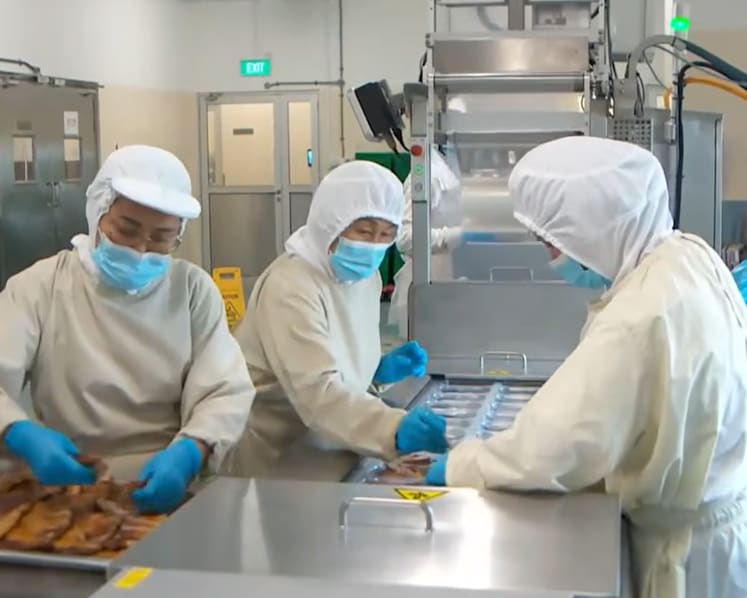
Chong Chok Lan (left), 63, was among more than 3,000 seniors aged 60 and above who took part in Workforce Singapore’s Career Conversion Programme between 2020 and 2025.

This audio is generated by an AI tool.




SINGAPORE: Madam Chong Chok Lan never expected to be learning new technology in her later years, let alone operate automated machines at her old workplace.
At 63, she has taken on a new role as a machine operator after completing a three-month training programme last year.
When she first joined the company years ago, the work was largely manual. That changed after she learned how to operate automated machines, conduct quality checks and comply with international food safety standards.
With those new skills, Madam Chong transitioned into a different role on the production floor.
“When I started learning, I was worried I wouldn't be able to learn it well and it would be hard. Thankfully technology these days is very advanced and it wasn't hard to learn,” she told CNA.
“There was also support from company leaders, so we even became quite good at it.”
Mdm Chong was among more than 3,000 seniors aged 60 and above who took part in Workforce Singapore’s Career Conversion Programme between 2020 and 2025.
Seniors make up about 10 per cent of total job placements under the programme, working in sectors such as air transport, food services and hotels.
As Singapore enters a super-aged society, more seniors are attending training courses and picking up new skills to stay relevant in the job market.
The country is projected to attain “super-aged” status in 2026, as more than 20 per cent of the population is expected to be 65 years old or older. By 2030, one in four Singaporeans will be aged 65 or above.






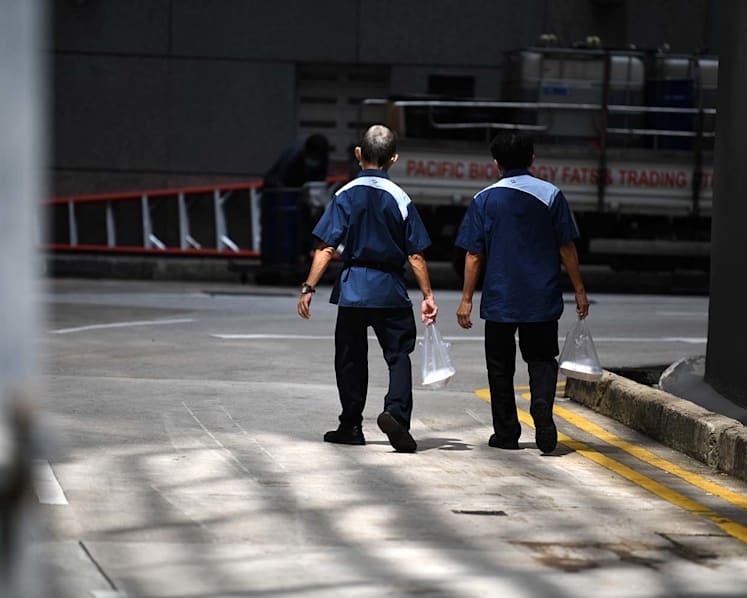
EXPERIENCE, STABILITY
Employers are also increasingly looking to hire older workers amid ongoing labour shortages.
Companies that hire senior workers receive salary support from the government. For example, the Senior Employment Credit helps defray wage costs for hiring Singaporeans aged 60 and above who earn less than S$4,000 a month.
But beyond financial incentives, some employers say seniors offer experience and stability that are hard to find elsewhere.
“Most of the senior workers - they are equipped with the experience and the know-how that they have gained through their previous working life,” said Mr Kenny Loh, director of Eurasia Food Supply.
At the food processing firm, workers aged below 40 make up just over half of the workforce, while those aged 60 and above account for nearly 16 per cent.
“To be honest, in the current situation, it's difficult for us to get the young talents (who are) willing to join this industry and work in the factory,” added Mr Loh, citing long hours and the manual job scope as reasons.
Higher re-employment ages and more flexible work arrangements have also helped encourage seniors to stay in the workforce.
In 2024, the employment rate for those aged 65 to 69 stood at 49.1 per cent.
That figure is expected to rise as Singapore raises the retirement age to 65 and the re-employment age to 70 by 2030.

UPSKILLING CRITICAL FOR OLDER WORKERS
However, experts caution that continued upskilling is crucial for older workers to remain employable.
“If you don't know (artificial intelligence), probably you cannot find a job, so I think this is the same for the older workers as well even though they have very rich experience,” said Dr Xuan Zhang, assistant professor of economics at Singapore Management University.
“They have accumulated a lot of experience in their jobs. But with the new advancement of technologies, employers also hope the senior workers (will) be well equipped with AI or other new technologies to better cope with the dynamic change in their jobs.”
More seniors are taking up this challenge.
According to SkillsFuture Singapore, those aged 60 and above make up about 22 per cent of people who go for training - higher than their 19 per cent share of the workforce.
However, employers are less likely to sponsor training for seniors, with sponsorship rates about 20 per cent lower than average.
Because of this, about four in five seniors pay for courses themselves, with the most popular ones including social media video skills, smartphone photography and furniture maintenance.
For some like Mdm Chong, the focus is on gaining skills that support their work.
She said she is keen to attend more courses, especially computer lessons.
Her advice to other seniors is simple: “Be open to challenges - don’t be afraid to learn, because it will definitely be a big help to yourself.”




