







Shared-bike users may face some inconvenience in the short-term
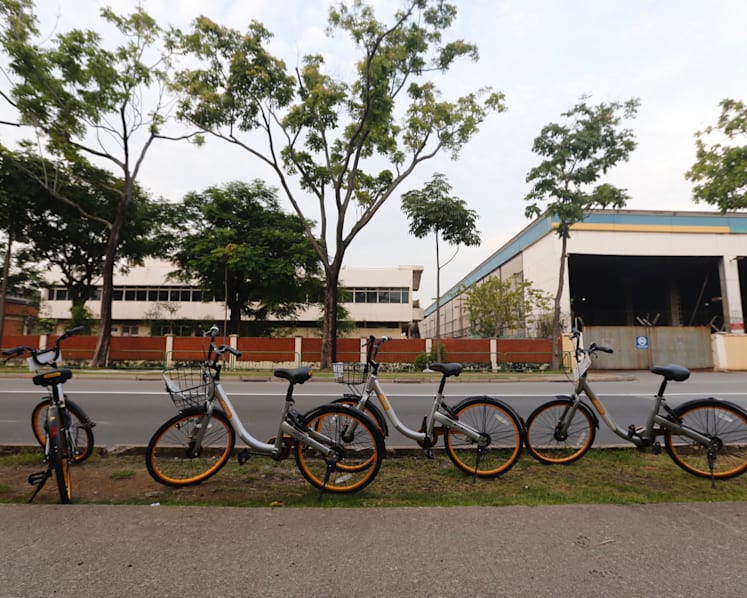
TODAY file photo


SINGAPORE — With technology set to weed out irresponsible bicycle-sharing behaviour, users wondered if the search for designated parking areas would result in greater inconvenience.
Those who park their rental bicycles indiscriminately “will not be allowed to end their trips” by the end of the year, as bike-sharing operators will be required to adopt geo-fencing technologies under an agreement with the authorities announced on Thursday (Oct 5).
Some users might be peeved at not being able to drop bikes off “at the exact location” that they want, said marketing executive Gina Foo, 26, who uses Obike at least once a week and parks at a proper lot.
“I personally feel that these measures won’t even need to be around if the users can take more ownership in using such public goods. Hopefully with these in place, it will encourage more people to use the services,” said Ms Foo, who uses shared bicycles to run errands around her neighbourhood or for exercise.





Undergraduate Edwin Tan, 26, said new requirements would get rid of the “nuisance” caused by errant users and discarded bicycles.
But the current number of designated parking areas is insufficient and would make it more “troublesome” for riders to find parking spots, said Mr Tan, who uses oBike and Mobike once a month.
While he welcomed the requirement for operators to provide public liability insurance for users, he hoped costs would not be passed on to consumers.
Transport analysts flagged possible teething problems with the rollout of geo-fencing technologies.
Problems like overcrowding might crop up, especially if there are not enough spaces or locations to suit the demand, said Dr Walter Theseira of the Singapore University of Social Sciences.
The new requirements could reduce the short-term demand for shared bikes as “commuters have to grapple with the uncertainty” of being able to find a designated parking zone where they want to go, but this could mean a “more sustainable shared bike ecosystem in the long run”, he said.
National University of Singapore transport researcher Lee Der-Horng said the geo-fencing technologies adopted by operators may vary in accuracy and felt the Land Transport Authority could spell out accuracy standards.
Dr Theseira felt it was unlikely insurance costs would be passed on to consumers. But the requirement will raise the question of whether owners of personal mobility devices and bicycles should also purchase such insurance.
“I think eventually we have to look at the entire personal mobility market and look at insurance for all personal mobility aids… (which) could be just as likely to harm someone else,” he said.




