







Singapore-based photographer bags two National Geographic awards
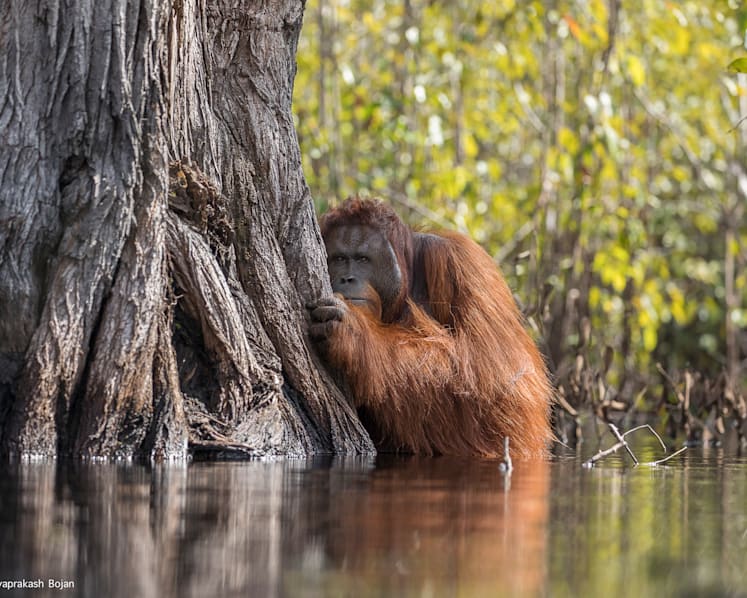
A male orangutan peers from behind a tree while crossing a river in Borneo, Indonesia. Rampant palm oil cultivation threatens this critically endangered ape, forcing the normally arboreal species to resort to unusual behavior—such as wading through crocodile-infested rivers—in order to survive. Photo courtesy of Jayaprakash Bojan
SINGAPORE — A Singapore-based photographer has bagged two National Geographic awards.
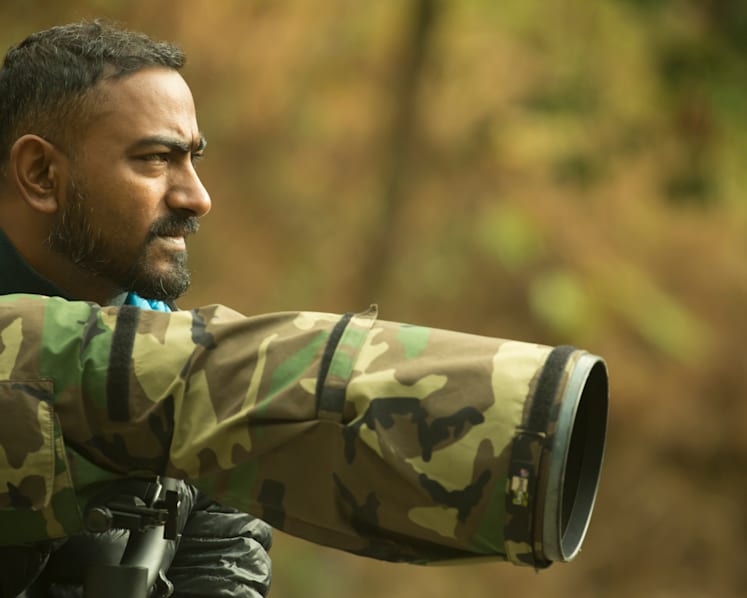
Mr Jayaprakash Bojan (pictured above) was named the 2017 National Geographic Nature Photographer of the Year for his submission of an orangutan peering from behind a tree as it stands waist deep in a river in Borneo.
The 41-year-old’s photograph was selected out of more than 11,000 submissions globally. He was also named the top National Geographic wildlife photographer.
In an Instagram post on Wednesday (Dec 13), the National Geographic said the judges were impressed by how the “ poignant image spoke to the impact deforestation is having on the habitat of this critical endangered species”.





Mr Jayaprakash told TODAY he had been in Borneo looking to observe and photograph orangutans for his photobook on primates in Asia, and the winning shot was among the images he took while on that trip. He hopes to bring attention to conservation and the plight of endangered species through photography.
“We were in a houseboat on the Sekoyner river looking for orangutans when my buddy Arbain, a conservationist, and I heard from a local ranger that this particular orangutan was seen further down the river,” said the former information technology specialist from India, who came to the Republic when his wife was transferred here for work about two years ago.
“So we changed boats and travelled about 40 miles (64km) to get to his habitat...after two days of waiting and watching, we were able to observe him in action.”
Estimating the orangutan to be have been standing about 12 to 15 metres away from him, the self-professed nature lover said it was “curious, cautious and watchful, but composed”.
“He first hesitated, hid behind a tree to watch what I was doing and then came out to check the situation out further. When he saw that it was all okay, he got comfortable and then proceeded to cross the river with his arms up in the air.”
Fascinated with his subject’s “willingness to get into the water” Mr Jayaprakash got off his boat to capture some “unique perspectives” of the ape, as his companion and their boatman kept a lookout for crocodiles.
Normally arboreal, Mr Jayaprakash said in his photo’s caption that “ rampant palm oil cultivation” had forced the orangutan to resort to unusual behaviour – such as wading through the “crocodile-infested rivers – to survive”.
Mr Jayaprakash said that he intends to donate a portion of the US$10,000 (S$13,511) prize money from the two awards toward orangutan conservation in Borneo.
Opining that it is everyone’s responsibility to look out for all species, the photographer said: “If people could appreciate the beauty that is nature and wildlife, the plight of these creatures and how much our existence depends on theirs, we (will) all be helping more in one way or another.”




