







S’pore ‘must push to be manpower-lean economy’
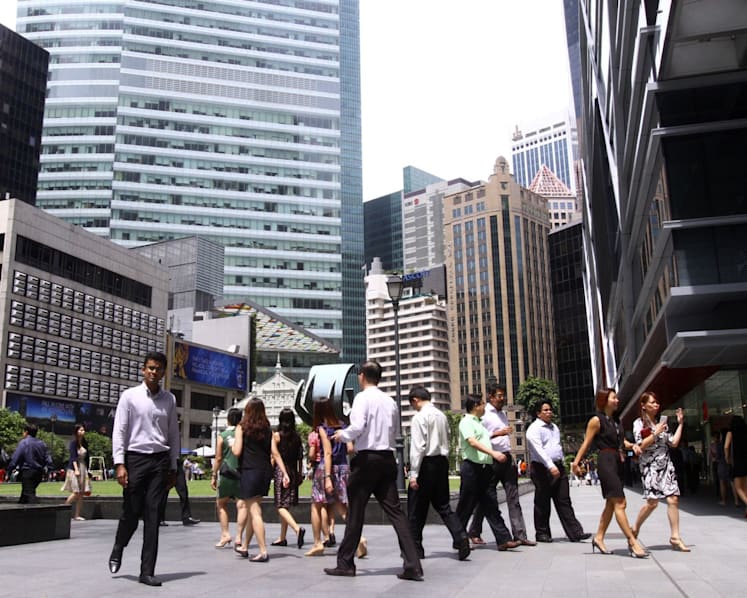
TODAY file photo
SINGAPORE — With the labour market expected to remain tight in the coming years, the Republic cannot run away from having to grow its economy with fewer workers and higher productivity, said Minister for Manpower Tan Chuan-Jin yesterday.
At the same time, the Government will continue with its efforts to give Singaporeans greater assurance in employment and retirement, Mr Tan said in his final May Day message as Manpower Minister before he hands over the portfolio to labour chief Lim Swee Say.
Mr Tan noted that Singapore’s economy is expected to continue to grow at a modest pace of between 2 and 4 per cent this year, amid a tighter labour market and uncertain global economic environment.
“This is encouraging. We must press on with our efforts to become a manpower-lean economy that is driven by productivity, innovation and skills; and one that can create good jobs and sustain wage growth for our workers,” said Mr Tan, who is also Minister for Social and Family Development.





Such efforts include the SkillsFuture initiatives, which will help workers “upgrade and upskill to stay relevant and capitalise on career opportunities in the New Age economy”, he added.
While the Government will be the “key enabler” by providing the necessary infrastructure and resources, labour unions and employers must also play their part.
Mr Tan urged unions to encourage their members to take ownership of their own learning and careers, and persuade their management partners to embark on the SkillsFuture initiatives.
Announced during the Budget statement in February, the SkillsFuture initiatives include apprenticeships for polytechnic and Institute of Technical Education graduates, study awards, and training grants for Singaporeans aged 25 and above.
Mr Tan also called on companies to shift their mindset — “to one that proactively develops every one of their workers, providing career pathways and valuing their contributions as they advance”.
As for older workers, Mr Tan noted that the employment rates of older Singaporeans — aged from 55 to 64, and 65 — had risen last year.
“We are looking at ways to help older workers stay actively employed and to build up their retirement nests,” he said.
These include giving employers incentives, such as the additional Special Employment Credit, to retain or hire workers aged 65 and above.
“The recently announced changes to the Central Provident Fund (CPF), including a higher CPF salary ceiling and increased contribution rates for older workers, are also steps that we have systematicallly taken to boost Singaporeans’ retirement savings and incomes,” Mr Tan said.
He pointed out that Singapore’s economic and social progress over the years did not happen by chance, but was made possible through the “constructive model of tripartism” championed by the late founding Prime Minister, Mr Lee Kuan Yew.
Such form of tripartism takes care of workers’ interest, builds a competitive economy and gives all Singaporeans hope for a better future.
“This model has served us well and will stand us in good stead to tackle future challenges,” Mr Tan said.




