Tertiary education subsidy scheme enhanced to better support Malay students and families
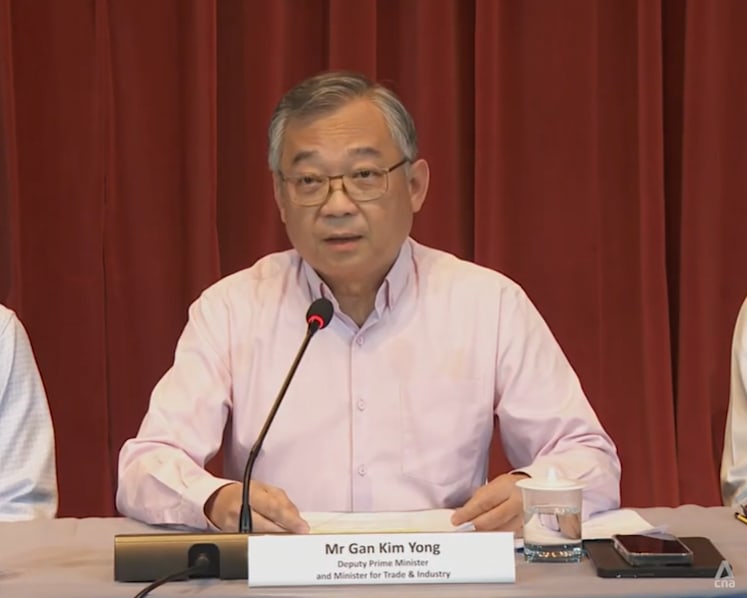
A new committee to study the recommendations of the government’s Economic Strategy Review will also be formed.
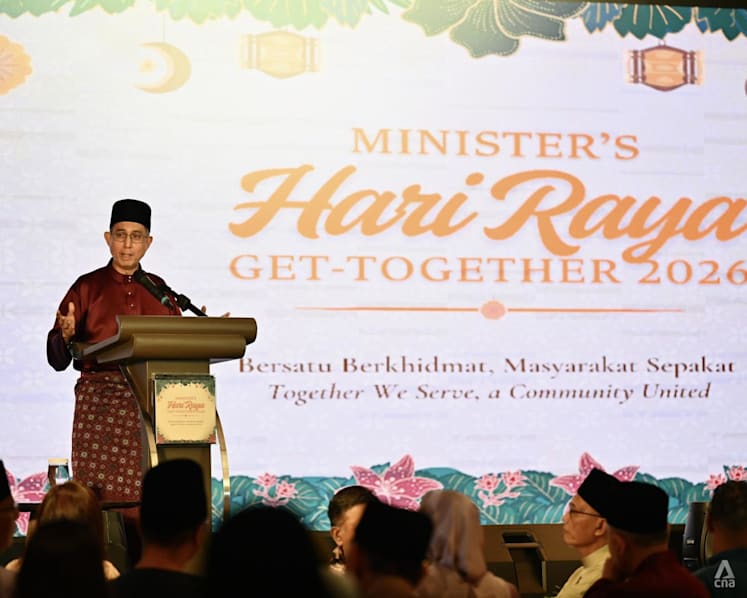
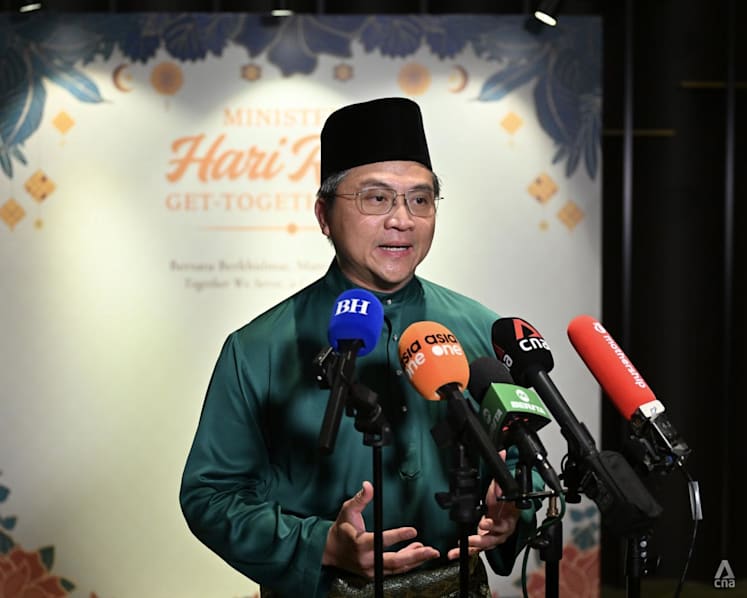
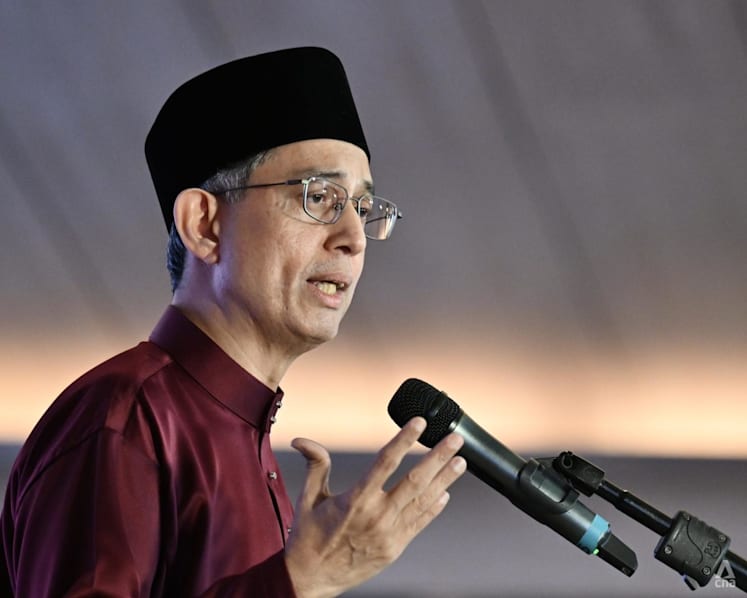
Acting Minister-in-charge of Muslim Affairs Faishal Ibrahim delivers his address at the Minister’s Hari Raya Get-Together 2026 at Parkroyal Collection Marina Bay on Apr 10, 2026. (Photo: CNA/Jeremy Long)

This audio is generated by an AI tool.


SINGAPORE: More Malay families will receive help with tertiary education costs under enhancements to the Tertiary Tuition Fee Subsidy (TTFS) scheme, Acting Minister-in-charge of Muslim Affairs Faishal Ibrahim announced on Friday (Apr 10).
The scheme's income eligibility criteria will be raised across all tiers from academic year 2026/2027, and a new 25 per cent subsidy tier will be introduced for middle-income households with per capita income of up to S$2,400 (US$1,000).
The revised structure is as follows:
- Household per capita income of S$1,700 and below - 100 per cent subsidy
- Household per capita income of S$1,701 to S$2,000 - 75 per cent subsidy
- Household per capita income of S$2,001 to S$2,200 - 50 per cent subsidy
- Household per capita income of S$2,201 to S$2,400 - 25 per cent subsidy
The TTFS is a government grant administered by Mendaki that provides subsidies for eligible students pursuing their first full-time diploma and degree programmes at local government tertiary institutions. On average, it has supported about 10,000 Malay students annually over the past five years.





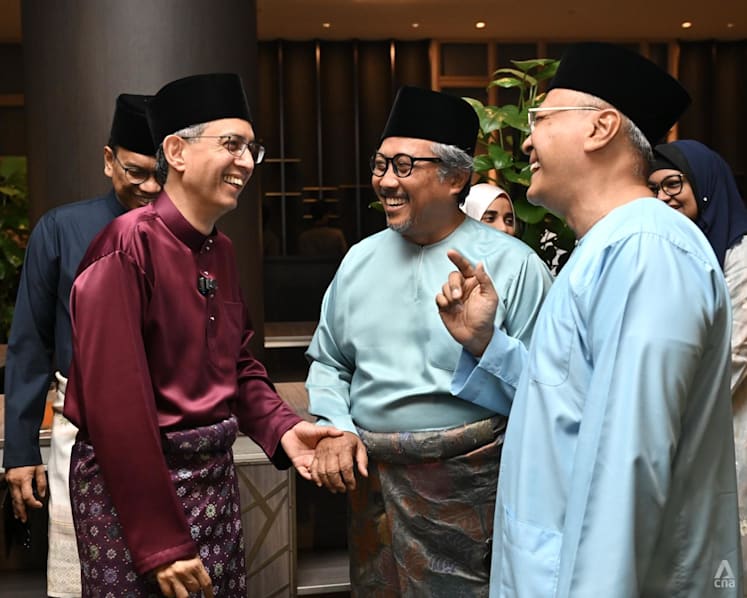
Speaking at the Minister's Hari Raya Get-Together event, Associate Professor Faishal said tertiary education was one of the strongest enablers of progress over the long term, opening up new career pathways and improving employment prospects.
“We want to encourage as many of our students as possible to go for it. But the cost of tertiary education can be a concern for some families, especially those with many school-going children,” he said.
“The enhancements of the TTFS scheme is just the start. Our broader goal is to help more Malay students attain tertiary qualifications in Singapore, particularly to qualify for university. So in the coming years, our focus will be to help Malay students, particularly those from lower-income families, prepare and position themselves well to get in.”
COMMITTEE TO STUDY ECONOMIC REVIEW RECOMMENDATIONS
Assoc Prof Faishal also announced the upcoming formation of a new committee to study the recommendations of the government’s Economic Strategy Review, which was launched in August last year.
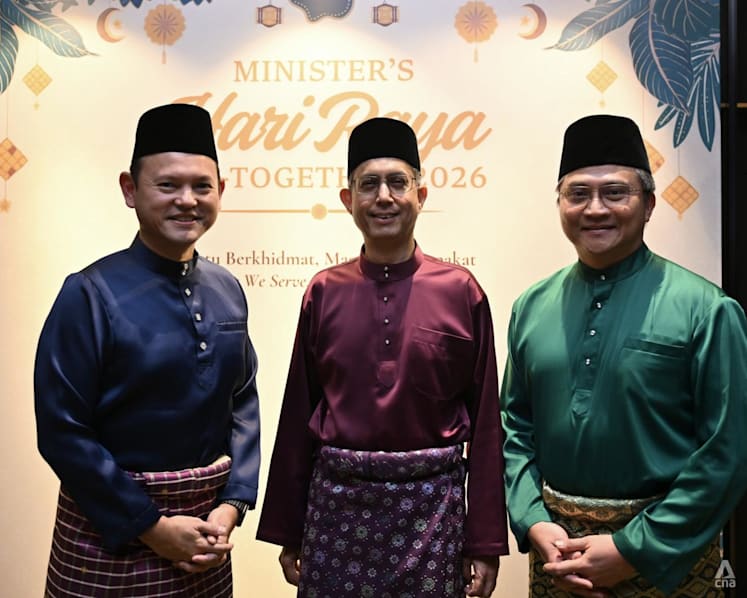
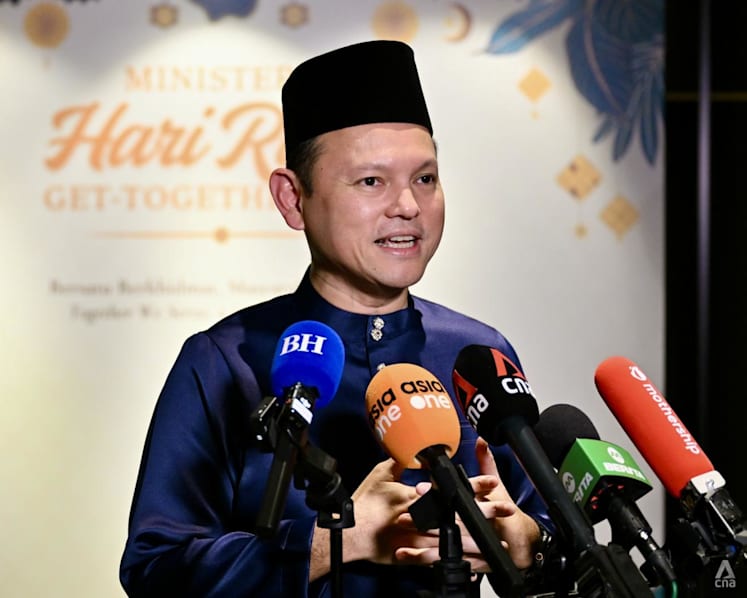
Led by Members of Parliament Dr Wan Rizal (PAP-Jalan Besar) and Mr Saktiandi Supaat (PAP-Bishan Toa Payoh), the Committee for Economic Resilience or Jawatankuasa Daya Ekonomi, will comprise corporate leaders and industry experts across various segments of the Malay-Muslim community.
They will study the recommendations from the Economic Strategy Review, understand what it means for the community, and identify practical ways to better support workers, professionals, entrepreneurs and young people, said Assoc Prof Faishal.
These strategies will then be implemented with the help of partners and a wider network of organisations, said Assoc Prof Faishal.
“This matters because we want our community to harness knowledge, develop capabilities, seize opportunities and contribute meaningfully to succeed in a changing economy. In this way, our community can also contribute to the overall resilience of our economy in the midst of global uncertainty.”
In January, the Economic Strategy Review committees provided a mid-term update proposing seven recommendations to secure Singapore’s economic growth and create good jobs for Singaporeans in a changing world.
A full report detailing their final recommendations is expected to be published in mid-2026.
MOSQUE DEVELOPMENTS
Assoc Prof Faishal also provided updates on plans related to the building and expansion of mosques around the island.
A new temporary prayer site near Al-Istighfar Mosque in Pasir Ris will be built to accommodate increasing demand during Friday prayers in Pasir Ris and the Changi industrial area. The site will be ready by the fourth quarter of this year and will remain until the new mosque in Tampines North opens.
“This request has been raised during my visits to the mosque on multiple occasions. We will support the community’s request and ensure that everyone has a safe and comfortable space for their prayers,” he said.
Ar-Raudhah Mosque in Bukit Batok will also be upgraded over the next two years to rejuvenate the mosque, optimise existing prayer spaces and improve its facilities and accessibility features. Construction works will begin in the third quarter of this year, and authorities are looking to secure a temporary prayer site to minimise disruptions.
To groom the next generation of religious leaders, the Islamic Religious Council of Singapore (MUIS) is developing a new leadership development programme for Tier 1 asatizah (religious teachers) to strengthen their capabilities.
“This initiative will enable our asatizah to not only build deep religious scholarship, but also develop strong organisational skills, community engagement abilities, and adaptive leadership qualities to address contemporary challenges,” said Assoc Prof Faishal.
“I encourage our madrasah students and our asatizah to boldly pursue your aspirations, take advantage of these opportunities to broaden your horizons and contribute to the community in more ways than one.”