







Three hospitals to offer embryo-screening technique in pilot study
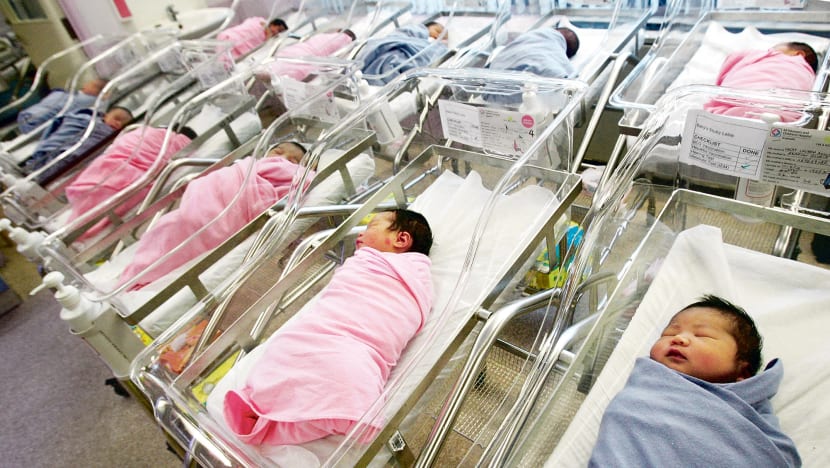
The embryo-screening technique, called pre-implantation genetic screening, aims to improve the in-vitro fertilisation outcomes of women in Singapore. TODAY file photo


SINGAPORE — Three public hospitals will offer the embryo-screening technique that aims to improve the in-vitro fertilisation (IVF) outcomes of women here, said the National University Hospital (NUH) as it released details on the criteria for women to be recruited for a three-year pilot programme to be funded by the Government.
Last week, Senior Minister of State for Health Amy Khor had announced that the embryo-screening technique, called pre-implantation genetic screening (PGS), will be allowed here through the pilot programme.
The procedure was banned because published evidence on it was unclear. But newer technologies have emerged, and some countries such as the United States, Australia, Malaysia and Thailand already offer PGS.
The government-funded study will be conducted at NUH, Singapore General Hospital and KK Women’s and Children’s Hospital, said NUH consultant Lim Min Yu, from its department of obstetrics and gynaecology.





Three categories of women will be recruited for the study: Those aged 35 or older, those who have had two or more unsuccessful embryo transfers, or those who have had two or more miscarriages. For the latter two categories, the women may be younger than 35, said Dr Lim.
Gender selection will not be allowed in the PGS study, and hospitals hope to start recruiting patients early next year.
PGS is a technique where embryos created through IVF are tested for the correct number of chromosomes before they are transplanted into a woman’s uterus. The correct number of chromosomes in a human is 46 — made up of 22 pairs of chromosomes and the sex chromosomes, XX in females and XY in males. The chances of success in an IVF cycle are about 20 per cent and chromosomal abnormalities are probably behind the largest proportion of unsuccessful cycles, said Dr Lim.
More than 6,000 assisted reproduction cycles annually were done in Singapore in 2015 and 2014, according to Ministry of Health preliminary data, and the cost per cycle in public hospitals is about S$10,000 to S$14,000.
The study, to be led by NUH’s Professor PC Wong, aims to find out if PGS can improve the outcome of an IVF cycle in the Singapore population — by increasing the rate of live births, and reducing the risk of miscarriages and chromosomal abnormalities.
Recent studies on PGS overseas have shown better outcomes than the present practice of selecting embryos to transfer based on their appearance, said Dr Lim.
While PGS was not allowed here, another procedure called pre-implantation genetic diagnosis (PGD) is permitted, he said. It is a test for couples who are known to be affected with a genetic disorder, or are carriers of a genetic disorder, that can be passed to their children.
Examples of genetic disorders include muscular dystrophy, haemophilia, and alpha and beta thalassemia. PGD enables embryos that are unaffected by the “faulty” genes to be transferred to the uterus.




