







Uber scraps ‘stressful’ criterion for drivers to qualify for incentives
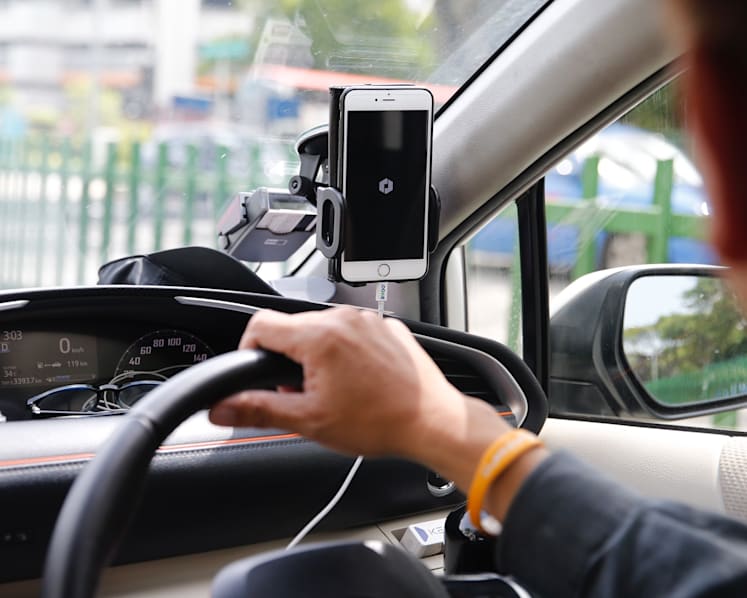


SINGAPORE — Not to be outdone by Grab’s aggressive wooing of drivers in recent months, rival Uber announced initiatives on Thursday (Nov 8) to inject greater flexibility for its drivers.
To kick off a three-month campaign to improve driver experience, it has done away with the requirement for drivers to accept at least eight out of 10 rides to qualify for incentives.
Next month, Uber will unveil initiatives to improve driver experience through improved support and trip experience, followed by steps to boost the stability of earnings in January.
At a press briefing, the ride-sharing company did not provide an update on talks — announced in August — with ComfortDelGro on a potential strategic alliance.





On removing the criterion for drivers to accept at least 80 per cent of trips to qualify for certain incentives, Uber’s head of operations in Singapore Jonathan Wong said it wanted to reduce the stress felt by drivers over the earning of incentives.
“We had things like trip-acceptance, cancellation and rating requirements (for incentives), but what we’ve done now is that we’ve taken those away,” he said.
While the move is “a bit of a risk”, Mr Wong said it would improve service standards — drivers who tested the feature had earned higher ratings and compliments.
In contrast, Grab drivers must meet a 90-per-cent acceptance rate and have cancellations of no more than 10 per cent to be eligible for incentives.
Uber has also introduced new features for its drivers. One allows drivers to set the time they need to reach certain places – such as to attend an appointment or a family meal. This will eliminate any reason for drivers to be picky with trips, because “their commitments are still being held”, said Mr Wong.
And it will notify drivers of long trips of half-hour or more, going forward. To prevent drivers from discriminating between rides based on location, Uber drivers do not get information on a rider’s destination until the trip starts.
Drivers now have a timer in their app to track time spent waiting for riders. The feature will allow them to know the exact moment they qualify for a cancellation fee — riders are charged if they do not show up within five minutes of a driver’s arrival.
Previously, there were times when drivers had cancelled their rides but were just shy of the five-minute threshold, said Mr Wong.
Uber drivers told TODAY the new initiatives were helpful.
The trip-acceptance criterion had been “a bit of a bother”, said Mr Ryan Brown 39. “With no penalty, I find it’s better; it entices the driver to drive more,” he added.
Mr Chris Koh, 50, said removing the trip-acceptance criterion meant he had one fewer indicator to watch. “All these are key performance indicators (for us),” he said, noting that drivers miss trips inadvertently, such as when they forget to turn off the driver app.
Mr Koh also welcomed the long-trip notification. “If I see long trips, I’ll definitely take (them)” as they draw higher fares, he said.
Calling Uber’s moves “incremental” improvements to driver experience, Singapore University of Social Sciences transport economist Walter Theseira said they were potentially more financially sustainable than Grab’s recent manoeuvres.
“Drivers, of course, will have to consider what’s important to them — making more money in the short run (or) having a better experience,” he said.
In September, Grab dangled heavily discounted rentals to woo ComfortDelGro cabbies to cross over. This week, it offered to scrap the 20-per-cent commission it takes for each completed ride and charge only 60 cents per ride for those who make the switch.
Transport specialist Terence Fan with the Singapore Management University said Uber’s moves indicated a “softer and more moderate” approach to align itself with the competition.
“They don’t need or they’re not willing to push so aggressively for new growth at this point, but they don’t want to lose out in terms of their relative position,” he said.




