







Use of healthier cooking oil to be mandated in NTUC Foodfare tenancy contracts
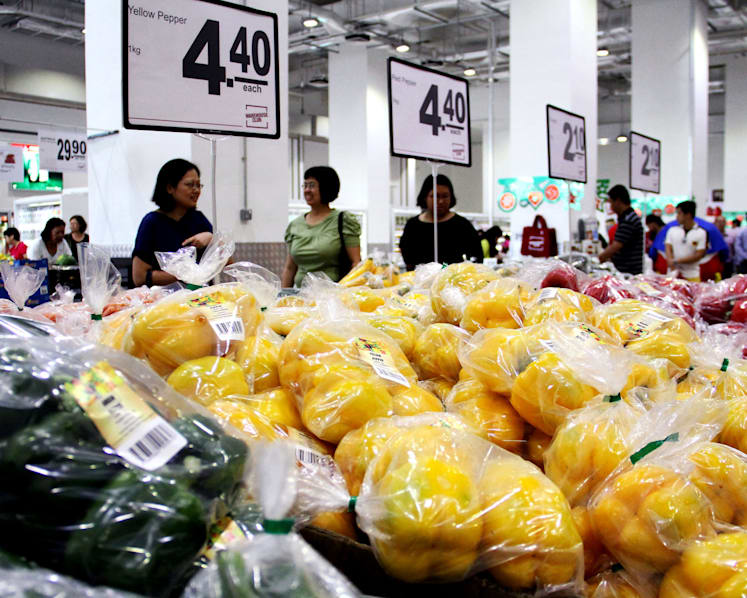
NTUC FairPrice. TODAY file photo
SINGAPORE — In a wide-ranging push to encourage healthier lifestyles, the use of healthier cooking oil will be included as a clause in tenancy contracts at all food stalls run by the NTUC Foodfare, which aims to roll it out at all its outlets in two to three years.
In addition, there will be discounts on healthier options at NTUC FairPrice supermarkets, and NTUC IncomeShield policyholders will be given incentives to stay healthy.
These measures are part of the NTUC Social Enterprises’ Healthy Eating and Living Initiative, which was launched by Health Minister Gan Kim Yong on Thursday (June 23).





Done in collaboration with the Health Promotion Board (HPB), the initiative is part of a coordinated effort across various divisions of NTUC Social Enterprises.
For tenants under NTUC Foodfare, the move towards using healthier oil will apply to new or renewed contracts. Foodfare currently has about 400 stalls in 12 food courts, seven coffee shops, two hawker centres, 25 Rice Garden stalls and a cafe.
Other major food court operators such as Kopitiam, Food Republic and Food Junction have more than 50, 15 and 14 food courts or atriums respectively.
Currently, only 33 per cent of Foodfare’s food court stalls, 6 per cent of its coffee shop stalls and all 25 Rice Garden stalls use healthier cooking oil, said NTUC.
Mr Perry Ong, NTUC Foodfare’s chief executive, said that food prices would still remain affordable, as cooking oil is a “small fraction of overall food cost”.
Foodfare is also working with the HPB to help source for cheaper, healthier cooking oil for stall tenants, he added.
Two hawkers whom TODAY spoke to welcomed the move.
Mr Alvin Lau, who runs a fried rice stall at AMK Hub Foodfare, said his firm switched to using oil with the healthier choice symbol a year ago, but did not raise prices.
Mr Terence Siew, who runs a Bak Kut Teh stall at AMK Hub Foodfare, said switching to healthier oil would increase food costs by about 10 per cent, depending on how much oil is used in the dishes.
But he added: “Healthier oil is good, and good things will be more expensive.”
Apart from Foodfare’s efforts, NTUC FairPrice supermarkets will offer the 5 per cent discount for its FairPrice Housebrand wholegrain rice, which started two weeks ago, for another three months.
FairPrice Housebrand healthier cooking oils will also be offered with discounts of up to 15 per cent until the end of the year.
Products with the Healthier Choice symbol will have a dedicated section at major NTUC FairPrice stores for the next two months.
NTUC IncomeShield policyholders who pass health-screening tests will receive shopping vouchers, while an education campaign will be held for children enrolled at NTUC First Campus to encourage them to eat more fruits and vegetables.
Speaking at the launch of the initiative, Mr Gan noted that by leveraging on its extensive network, NTUC is “making healthier living and choices more accessible and affordable for Singaporeans”.
He also encouraged more corporate entities and stakeholders to join in the Health Ministry’s efforts to promote healthier lifestyles.
Mr Tan Suee Chieh, NTUC Enterprise’s group chief executive, said the initiative is part of a major shift to meet the changing social needs of Singaporeans.
Apart from its traditional role in tackling cost-of-living issues, NTUC Social Enterprises will be expanding its services to manage three additional concerns: Ageing, health and healthcare costs and social mobility.
NTUC’s 10-year-plan will include support for the elderly to age in place, by situating its eldercare centres with pre-schools.
It also aims to make available quality childcare in every neighbourhood.
“NTUC Social Enterprises have been a social force to do good, and we want to continue doing so for many more years to come — to respond to the needs of the times,” said Mr Tan.




